LIFESTYLE
Too many sweets and not enough water! This mistake during the festive season increases the risk of kidney stones..
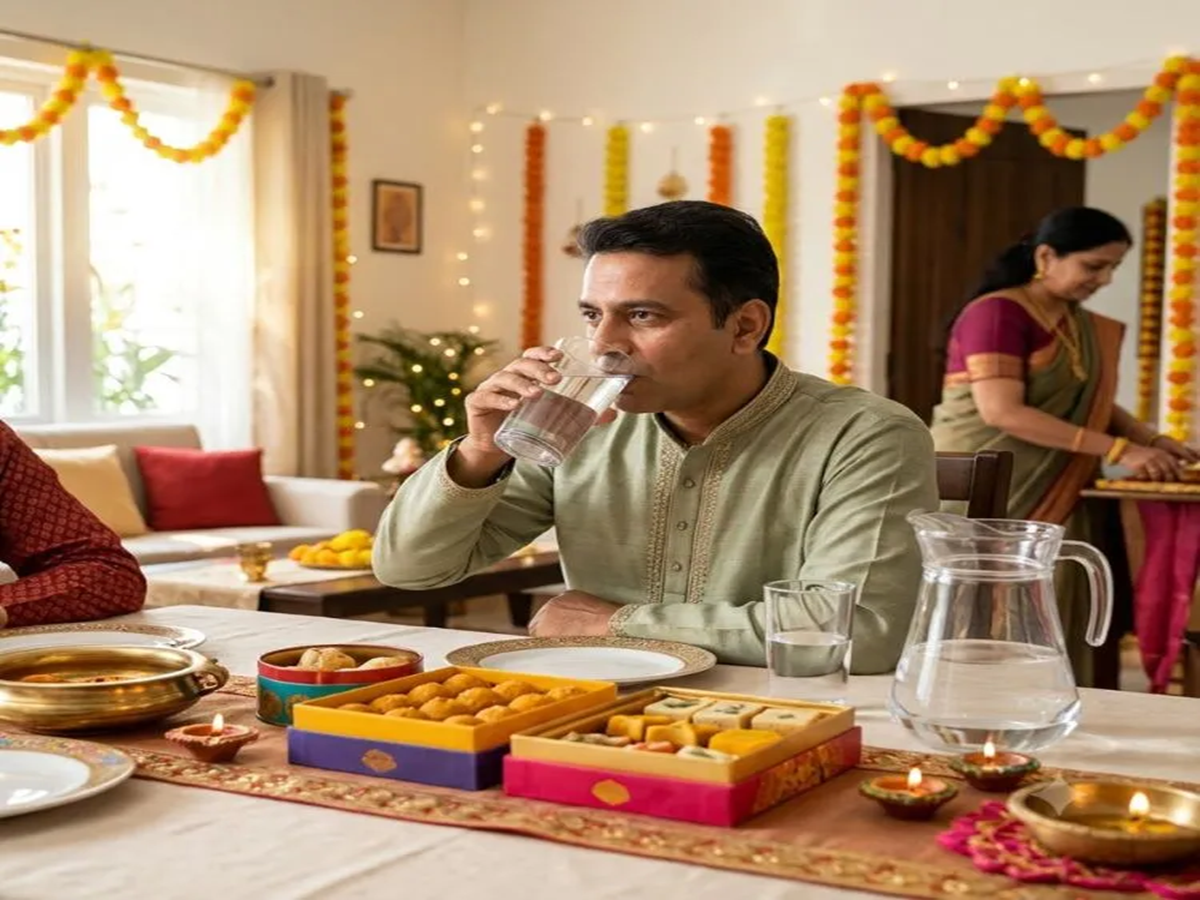
The festive spirit in India is truly a sight to behold. Homes become fragrant with the aroma of *laddoos*, *kaju katlis*, *gulab jamuns*, and a variety of other delicious treats.

Amidst this atmosphere of celebration and social gatherings, we often indulge in fried snacks and sweets. However, in the midst of the festivities, we tend to overlook something crucial: keeping the body hydrated—that is, ensuring an adequate intake of water.
How do kidney stones form?
Enjoying a few sweets during the festive season is perfectly fine. The real problem arises when you reduce your water intake while increasing your consumption of sugar, salt, or sugary drinks. This significantly raises the risk of developing kidney stones, especially in individuals who have experienced this issue before.
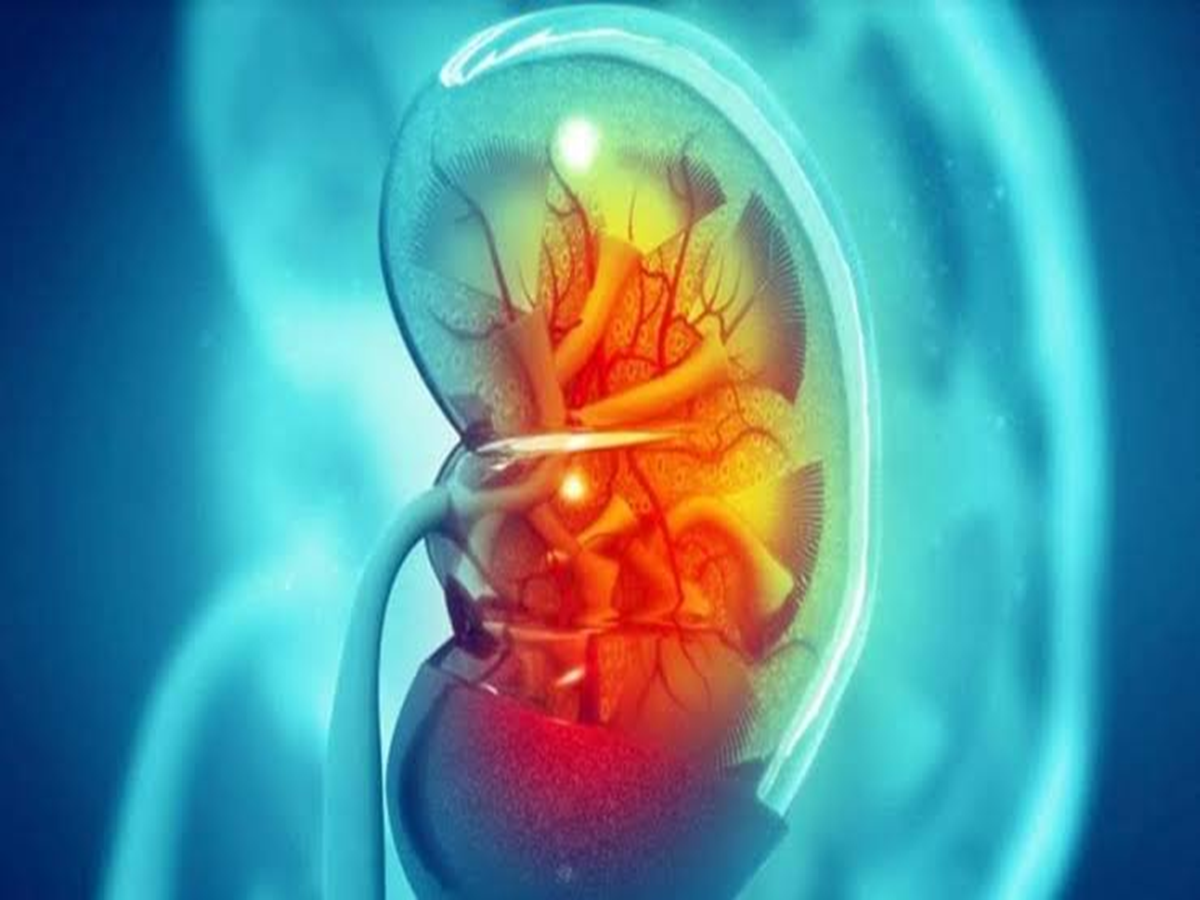
When the body lacks sufficient water, the minerals and salts present in the urine become concentrated and form hard crystals—these are kidney stones. Beyond a poor diet and dehydration, factors such as genetics, diabetes, or conditions like gout can also contribute to their formation.
Never ignore these warning signs.
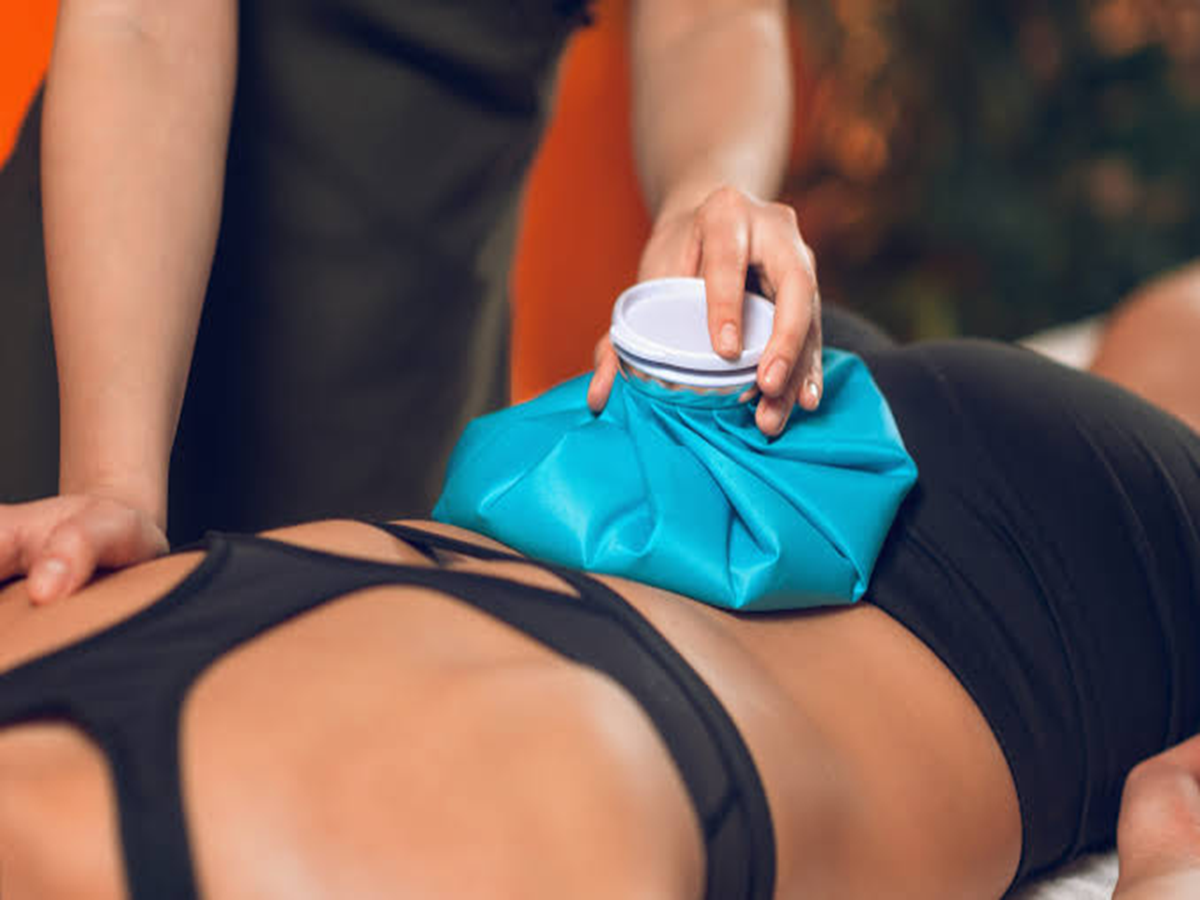
The body often provides signals before a health crisis occurs. If you experience sudden, intense, wave-like pain in your lower back, the side of your abdomen, or your flank, it is a major indicator of kidney stones. Additionally, other symptoms require immediate attention:
A burning sensation or severe pain during urination.
Urine that has a strong, foul odor or contains visible blood.
Nausea or vomiting accompanying the pain.
A high fever occurring alongside urinary issues.
If you experience pain accompanied by a fever and vomiting, you should consult a doctor without delay—ideally on the same day.
How can you keep your kidneys safe during the festive season?
Make friends with water: Ensure you drink at least 8 to 10 glasses of water throughout the day. A good indicator of adequate hydration is that your urine should be pale yellow in color.
Limit your sugar intake: Instead of snacking on sweets all day, stick to just one or two small pieces.
Harness the power of fruits and vegetables: Include about 400 grams of fresh fruits and vegetables in your daily diet. This provides plenty of fiber and keeps your digestive system light.
Get some exercise: Aim for at least 30 minutes of walking or light exercise every day. Taking a walk after a heavy dinner is also an excellent habit.
Don’t ignore pain: Do not dismiss any pain as trivial or rely solely on painkillers. Getting timely check-ups can help you avoid serious health complications.
When should you see a doctor, and what is the treatment?
If the pain becomes unbearable or persists for more than a day, seek medical attention. Doctors typically begin with blood and urine tests to check for infections or assess kidney function. If necessary, an ultrasound or CT scan may be performed to determine the exact size and location of a stone, as well as any potential blockages.
The treatment depends entirely on the size of the stone. Small stones can often pass on their own by increasing water intake and using basic pain-relief medication. However, if a stone is large—causing an obstruction in the urinary tract or severe pain—it may need to be removed through procedures like 'shock-wave lithotripsy' or endoscopic surgery.
Festivals are meant for celebrating joy with your loved ones, not for making trips to the hospital. By paying a little attention, drinking plenty of water, and recognizing the early signals from your body, you can keep your kidneys perfectly safe. Do not hesitate to consult a doctor if you experience persistent pain.
PC Social Media