
LIFESTYLE
No surgery, no fear of sterilization! How will the male contraceptive pill work, and how long will its effects last?

Just imagine: what if men could prevent an unintended pregnancy simply by taking a pill half an hour before sexual intercourse? This is not just a far-fetched idea; scientists at Weill Cornell Medicine in the United States are actively working toward this goal.

This development could bring a major shift to the field of family planning. Most importantly, it would mean that the responsibility for contraception would no longer rest solely on women—men, too, could share the responsibility equally. Let’s look at how this pill works and what hurdles remain before it can reach the market.
A mechanism distinct from women’s contraceptive pills
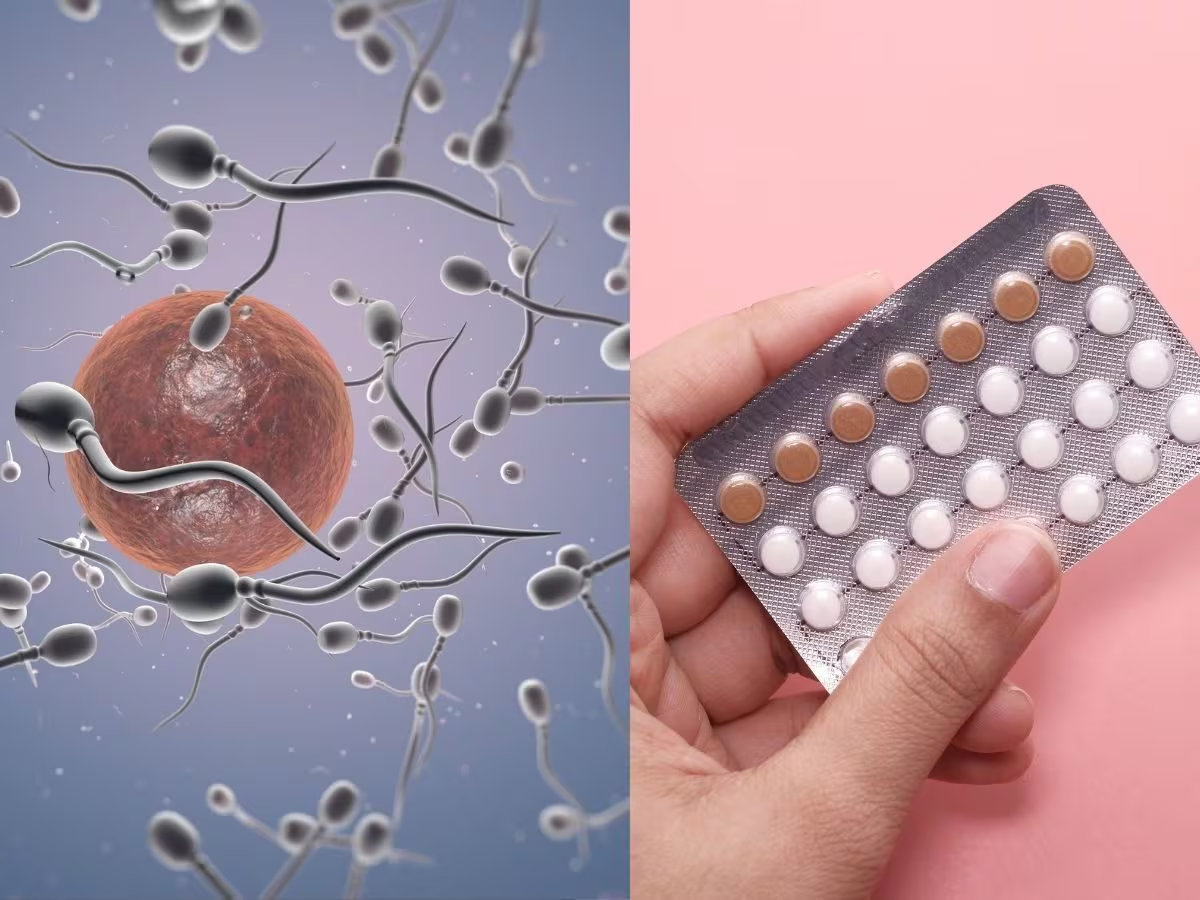
Typically, contraceptive pills for women work by altering hormones, but this new medication for men operates on an entirely different principle. It does not stop the production of sperm; instead, it temporarily disables the sperm's ability to move.
According to scientists, sperm require a specific enzyme called "soluble adenylyl cyclase" (sAC) to move forward. This drug temporarily blocks that enzyme, rendering the sperm immobile and preventing them from reaching the egg. In initial trials conducted on mice, this approach proved to be highly effective.
The effects of this pill can last for 6 to 8 hours; however, it is important to note that this is currently an experimental drug.
Will it cause permanent infertility?
A common concern among men is the possibility of permanent effects, similar to those of a vasectomy. However, this pill does not function like a vasectomy; it does not halt the production of sperm in the testes.
Its effect is entirely temporary. In other words, while the drug is active in the body, sperm will continue to be produced, but they will be unable to swim. Once the effect of the pill wears off, everything will return to normal.
What hurdles must it clear before reaching the pharmacy shelf?
In October 2026, the research team announced that they had secured additional funding for toxicology and safety testing, a prerequisite for beginning human trials. Before it can become available to the general public, the pill must meet several rigorous standards:
No compromise on health: Since contraceptive pills are taken by healthy individuals, scientists must demonstrate that repeated use does not negatively impact the liver, kidneys, heart, or sexual function.
Effects on humans: Success in animal studies does not guarantee 100% efficacy or safety in humans. Clinical trials will determine the appropriate dosage and the actual success rate among couples.
Returning to baseline: Researchers must also ensure that the pill causes no permanent damage to fertility once its effects have worn off. Further study is also required regarding potential side effects and the consequences of an overdose.
Will this ease the burden on women?
Currently, women often rely on methods like hormonal pills, implants, or IUDs to prevent unwanted pregnancies. While these methods have their benefits, many women also experience adverse side effects.
If this 30-minute pill for men proves successful, it will offer couples an excellent alternative—providing significant relief, especially for women who struggle with existing contraceptive methods.
An important point to remember:
While this pill may prevent unwanted pregnancies, it does not offer protection against sexually transmitted infections (STIs). Condoms remain the most effective option for preventing such infections. The success of this new medication hinges not merely on convenience, but on mutual trust between couples and the equitable sharing of responsibility.
PC Social Media