Food & recipe
Tiranga Pulao Recipe: How to make Tiranga Pulao without food coloring? Learn the easy step-by-step recipe..
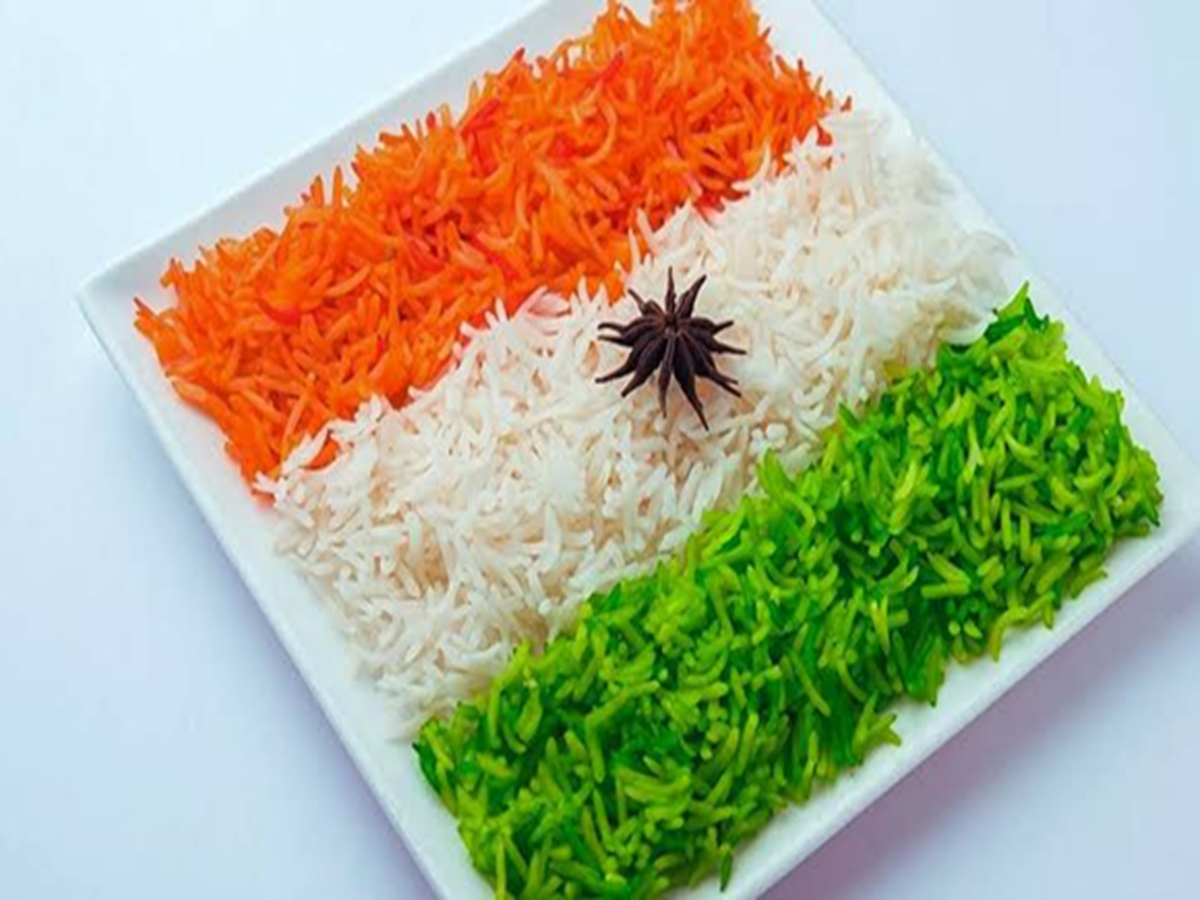
How to Make Tiranga Pulao: If you want to prepare something at home for Independence Day (August 15th) that embodies the spirit of patriotism alongside great taste, *Tiranga Pulao* (Tricolour Pulao) is an excellent choice. The best part is that no artificial food colouring is required; the saffron, white, and green hues can be achieved using natural ingredients.
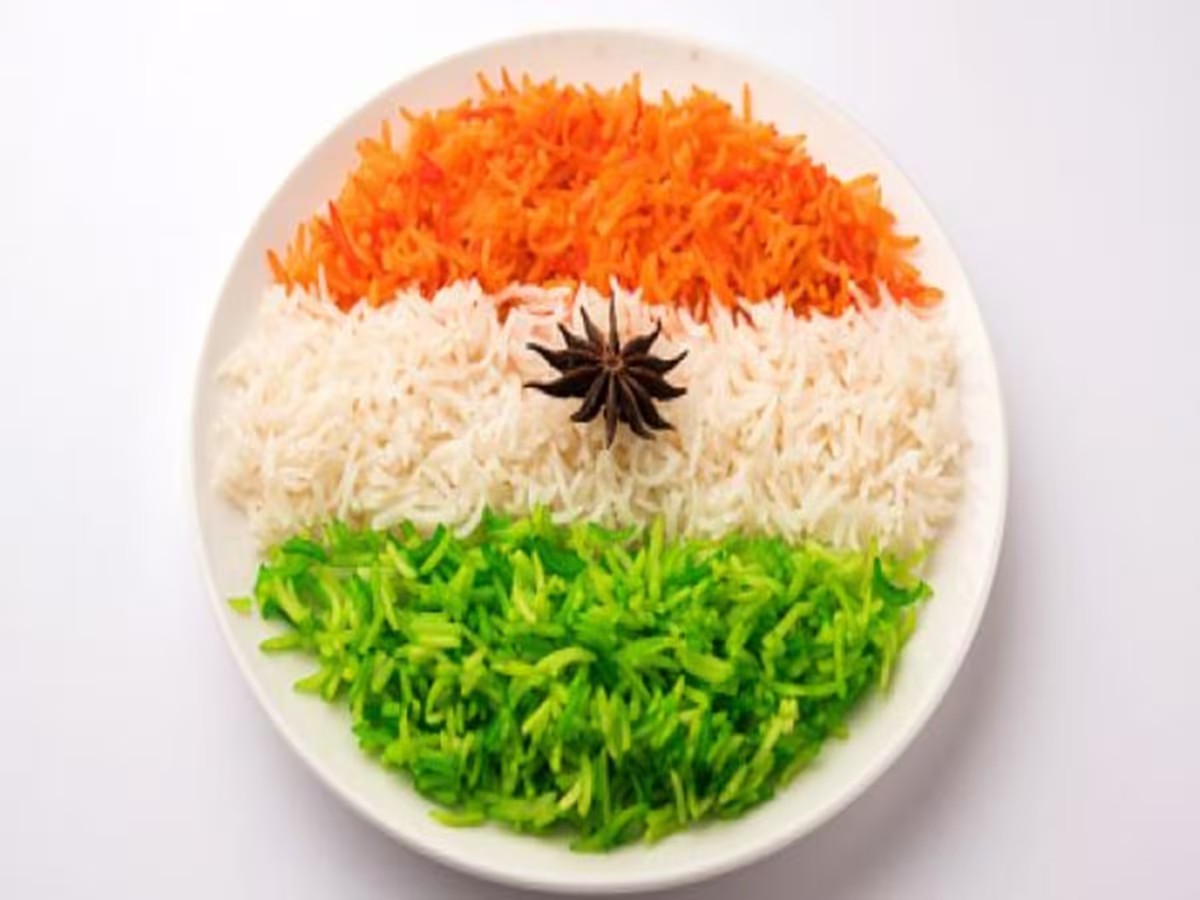
Children are also likely to love *Tiranga Pulao* because the plated dish looks visually appealing. You can prepare it for an Independence Day family lunch, a school-themed party, or a small home celebration. Carrots can be used for the saffron colour, spinach or green peas for the green colour, and plain Basmati rice for the white section.
The highlight of this recipe is that the three sections are prepared with distinct flavours and arranged on a single plate to resemble the tricolour flag. You can even create an *Ashoka Chakra* design in the centre using a small amount of rice.
So, let’s explore an easy, step-by-step method to make *Tiranga Pulao* without artificial colours—a dish you should definitely try this Independence Day. Ingredients for Tricolour Pulao
For the rice
2 cups Basmati rice
4 cups water
1 bay leaf
2-3 cloves
1 green cardamom
Salt to taste
1 teaspoon ghee
For the saffron layer
1 cup cooked rice
1 small carrot
1 small onion
1 teaspoon ghee
A pinch of garam masala
Salt to taste
For the white layer
1 cup plain cooked rice
1 teaspoon ghee
A few cashews or almonds
Salt to taste
For the green layer
1 cup cooked rice
1 cup spinach
¼ cup green peas
1 small green chili
1 teaspoon ghee
Salt to taste
For garnishing
A small piece of cucumber or a tiny amount of blue food coloring (if available)
Finely chopped cashews
Coriander leaves
Method to make Tricolour Pulao
Step 1- First, wash the Basmati rice 2-3 times and soak it for about 20 minutes.
Step 2- Boil water in a large vessel.
Step 3- Add salt, bay leaf, cloves, cardamom, and a little ghee to it.
Step 4- Now add the soaked rice and cook it until it is about 90% done.
Step 5- Do not let the rice cook completely (become mushy), as it needs to be mixed with different spices later.
Step 6- After cooking, drain the rice and let it cool down.
Prepare the saffron rice.
Step 1- Heat some ghee in a pan.
Step 2- Add finely chopped onion and sauté until light golden.
Step 3- Now add finely chopped or grated carrot and cook for a few minutes.
Step 4- Add salt to taste and a little garam masala.
Step 5- Now add one portion of the cooked rice and mix gently.
Step 6- The natural color of the carrot will give the rice a beautiful saffron hue.
Prepare the white rice.
Step 1- Heat a little ghee in a pan and lightly roast cashews or almonds.
Step 2- Add plain cooked rice to this and mix in a little salt.
Step 3- Do not stir the rice too vigorously, or the grains might break.
Step 4- If you wish, you can use a little cardamom to impart a mild, aromatic flavor to the white section.
Prepare the green pulao.
Step 1- Wash the spinach thoroughly and blanch it in hot water for a few minutes.
Step 2- Afterward, transfer it to cold water and grind it into a smooth paste.
Step 3- Heat ghee in a pan, add green chilies and peas, and sauté lightly.
Step 4- Add the spinach paste and a little salt.
Step 5- Now, add the remaining portion of cooked rice and mix gently.
Step 6- The spinach and peas will give the rice a natural green color.
Arrange the three colors on the plate.
Step 1- Now comes the most important part: arranging the pulao to resemble the Tricolor flag.
Step 2- Take a long serving plate. Place the saffron rice at the bottom, the white rice in the middle, and the green rice at the top.
Step 3- Gently level each layer with a spoon or a flat spatula so that all three colors are clearly visible.
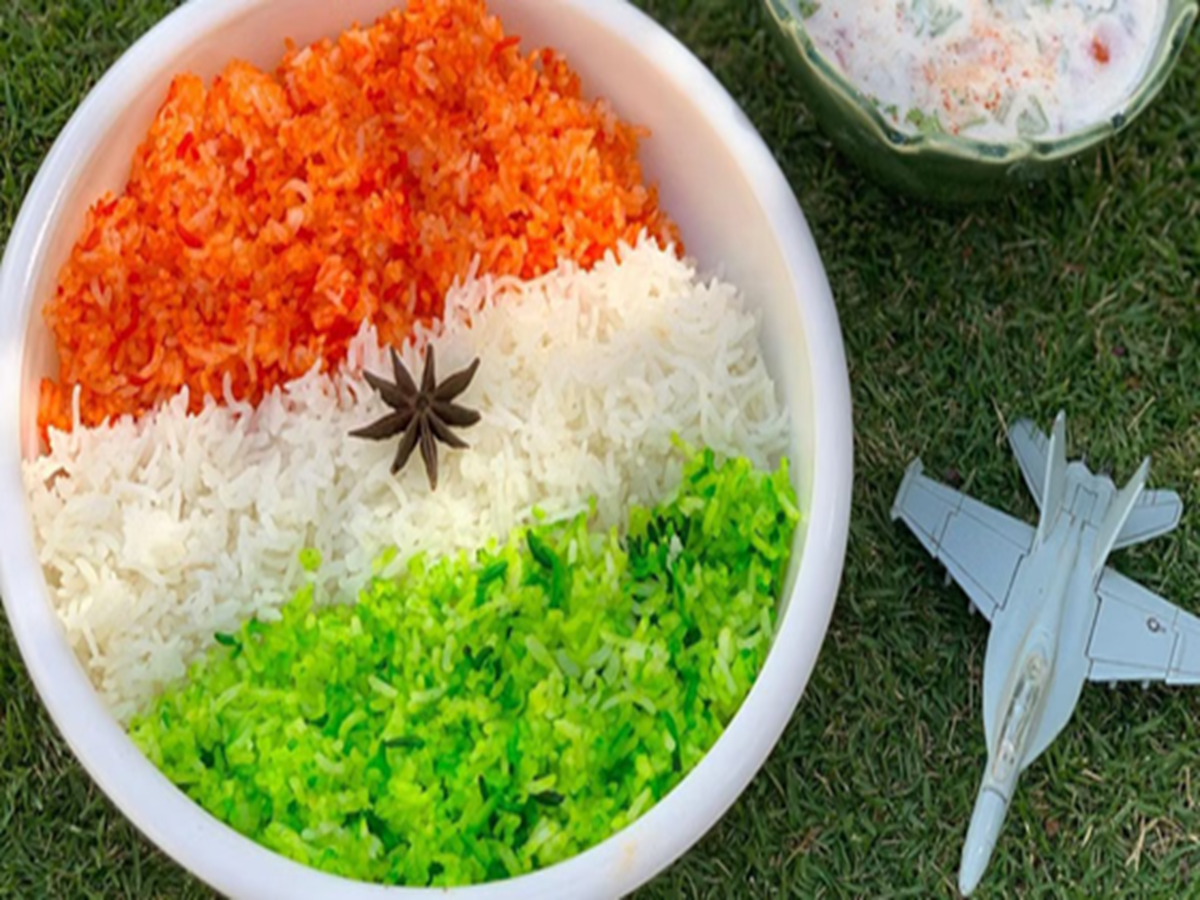
Create an Ashoka Chakra-like design.
A small circular shape can be created in the center of the white rice section.
If you have a suitable natural blue food ingredient available, you can use it to create a simple design of the Ashoka Chakra.
Alternatively, you can simply use coriander or vegetables to create a decorative look.
Ensure that only edible and safe ingredients are used for the decoration.
PC Social Media