
LIFESTYLE
The monsoon is increasing the risk of infections like Influenza-A and COVID-19; do not ignore symptoms by dismissing them as a common cold..
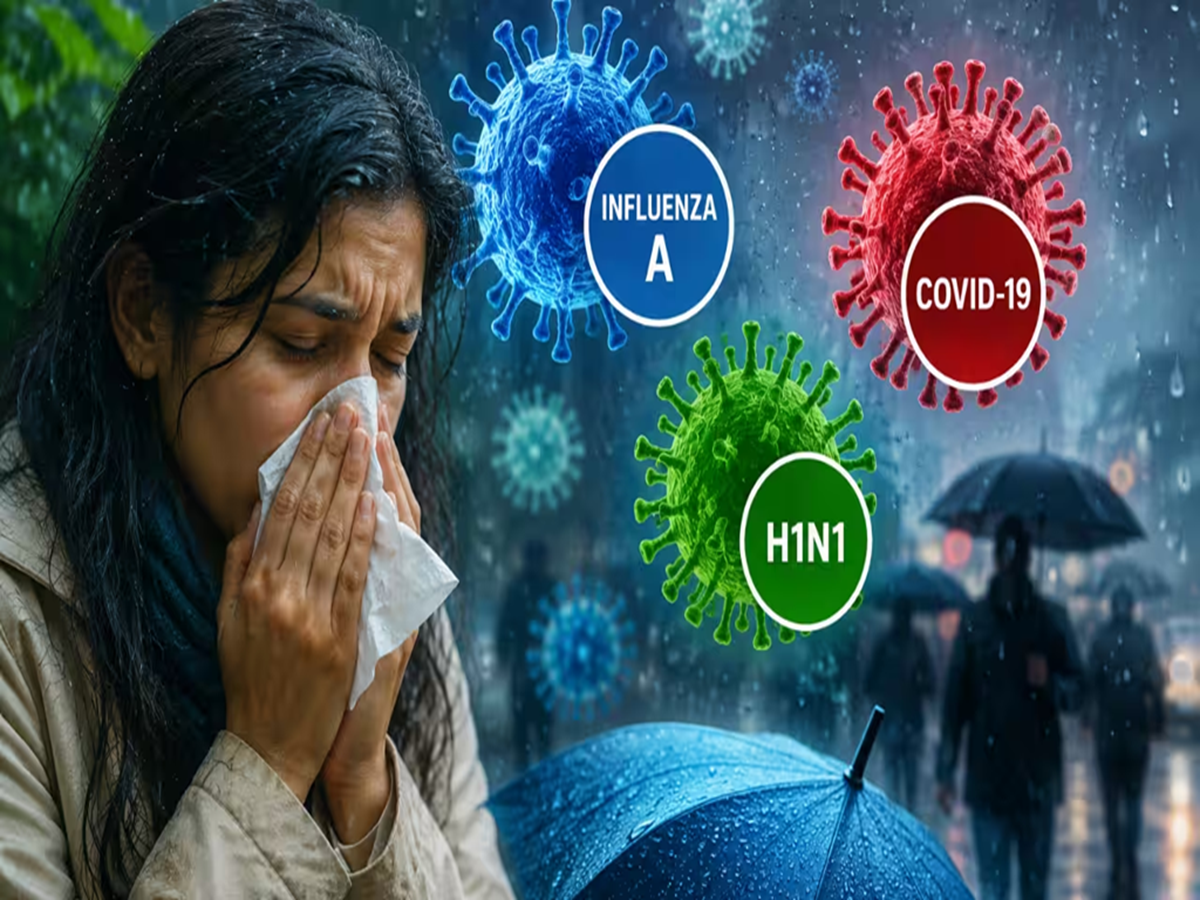
With the onset of the monsoon, there is a significant surge in respiratory infection cases—particularly Influenza A, COVID-19, and H1N1. Increased humidity in the air fosters rapid viral growth, which is why these infections spread quickly during this season.
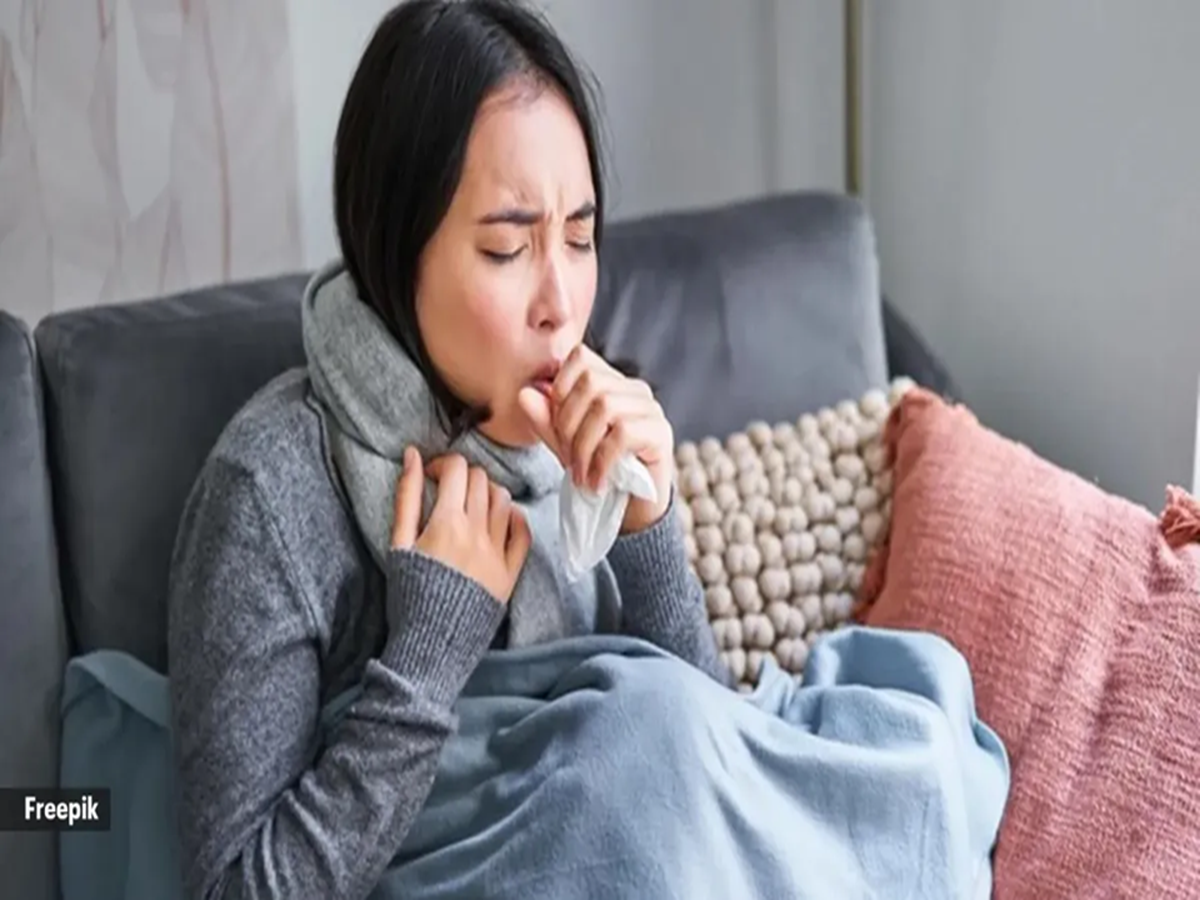
People often dismiss these as a common cold, but the condition can later escalate into something serious. Let us learn about the symptoms and preventive measures from Dr. Pradeep Bajad (Senior Consultant, Amrita Hospital, Faridabad).
**Why does the risk of infection increase?**
First, it is important to understand why the risk rises. High humidity during the rainy season creates an environment conducive to viral proliferation. In enclosed spaces like offices, schools, or public transport—where ventilation may be poor—these viruses can spread rapidly from person to person through coughing, sneezing, or talking.
**Which symptoms should you watch out for?**
The symptoms of Influenza A, H1N1, and COVID-19 are quite similar: high fever, persistent cough, sore throat, body aches, headache, fatigue, and nasal congestion. In some cases, symptoms such as vomiting, diarrhea, breathing difficulties, or a sensation of heaviness in the chest may also occur.
If these symptoms do not resolve within 48 hours, it is better to consult a doctor rather than self-medicating. Timely testing and treatment are crucial; otherwise, the infection could become severe.
**Who is at the highest risk?**
While anyone can contract these infections, certain individuals need to be extra cautious. People over the age of 60, those suffering from diabetes or chronic heart, lung, or other serious illnesses, and individuals taking immunosuppressive medications should exercise greater caution and not dismiss any symptoms as trivial.

What should be done to prevent infection?
Get vaccinated against Influenza A and COVID-19; vaccines are highly effective in preventing these infections. Additionally, wear a mask in crowded and enclosed spaces. Pay close attention to hygiene by washing your hands regularly with soap or using a sanitizer.
Maintain distance from anyone who is sick or coughing and sneezing, stay well-hydrated, and do not ignore any symptoms of infection by dismissing them as minor.
PC Social Media