
LIFESTYLE
Tech Tips: Is your charger plugged in 24 hours a day? Learn how 'vampire power' is draining your wallet..
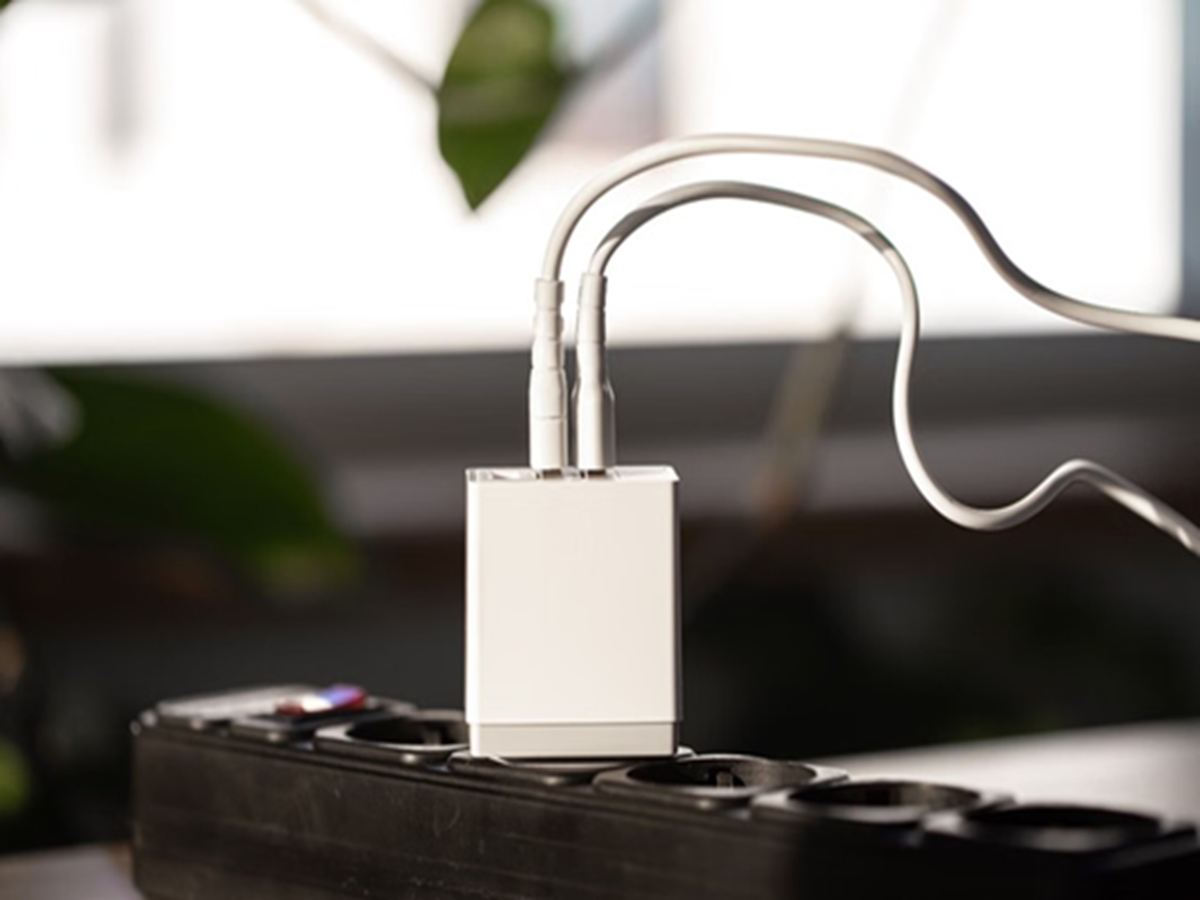
Smartphones and laptops have become a vital part of our everyday lives. To charge these devices, their chargers are often plugged into power sockets. For convenience, many people leave the charger plugged in at all times, instead of removing it, and simply connect their phone or laptop when needed. However, the question is whether this practice is completely safe or whether it can impact power consumption, charger life, and home safety.
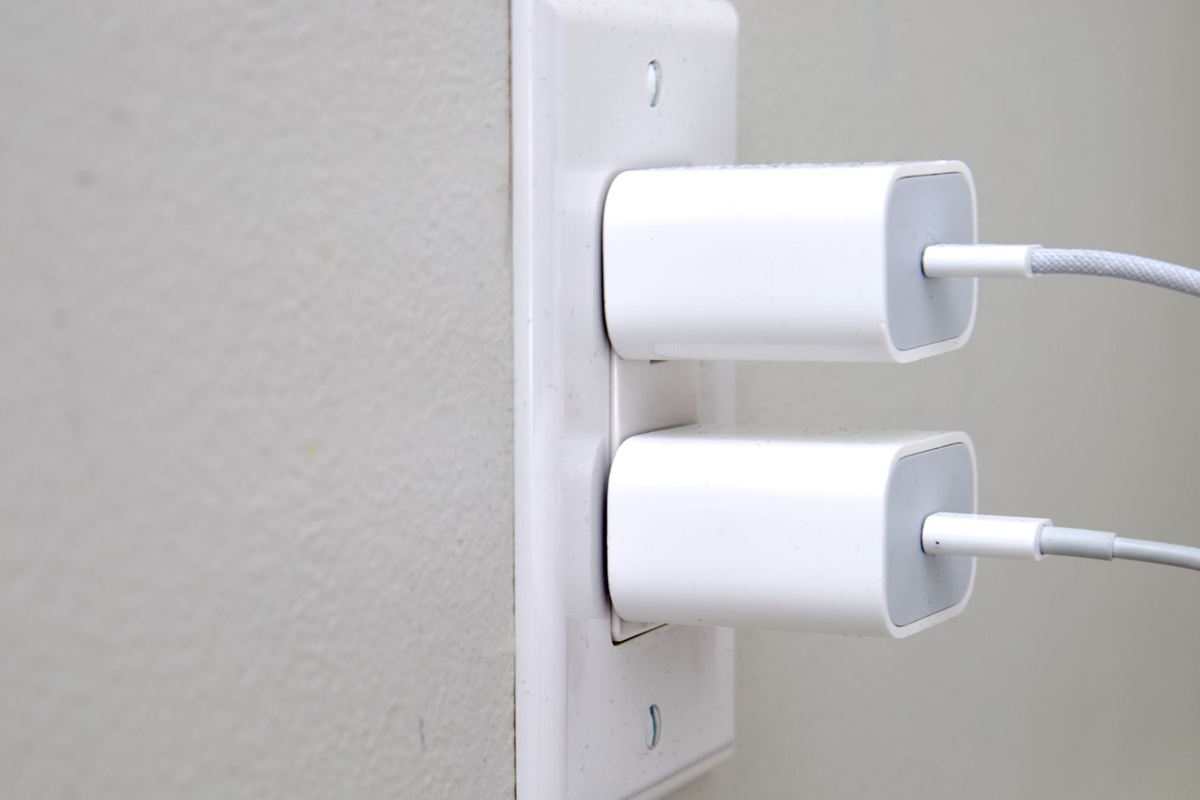
Does this damage the phone or laptop battery?
Modern smartphone and laptop chargers are built with much more advanced technology than before. When a device is fully charged, the charger automatically reduces or almost stops the current. Modern batteries also have safety circuits to prevent overcharging. Therefore, if the charger is plugged into a socket but the phone is not connected, the battery is less likely to be directly damaged.
What is vampire energy?
Even if a charger is plugged into a socket, but no device is connected, it continues to consume some amount of power. This is technically known as Vampire Energy or Standby Power. Although this amount of electricity is very small, over time, if many electronic devices in the home are constantly in standby mode, it can slightly increase the electricity bill.
Can this damage the charger?
The charger may become slightly warm if left plugged in for a long time. If the charger is old or of poor quality, the excessive heat can damage the electronic components inside. Over time, this can shorten the charger's lifespan and cause it to fail faster.
What to keep in mind?
Be sure to take certain precautions when using the charger. Such as:
Always plug the charger into a strong and proper socket.
Avoid loose or damaged sockets.
Do not plug the charger into a wet area.
Do not place the charger near flammable materials.
Once charging is complete, turn off the switch and remove the charger.
Do not charge the phone under a pillow or bed; this prevents heat from escaping.
Always use original or branded chargers. Local chargers lack ISI safety standards.
Experts suggest using smart plugs that come with timers. While modern chargers are quite safe, it's a good practice to unplug the charger when it's not in use. This not only saves some electricity but also improves home security.
PC Social Media