
LIFESTYLE
Swine Flu Alert: One person dies of H1N1 in Karnataka; learn how the infection spreads and how to protect yourself..

Amidst the ongoing risks of Shigella and Nipah in Kerala, an alert has now been issued regarding the rising threat of infectious diseases in Karnataka. According to media reports, a 41-year-old man died from an H1N1 (swine flu) infection in Karnataka's Uttara Kannada district on Monday. He had been admitted to a private hospital in Mangaluru on Sunday, where he subsequently passed away.
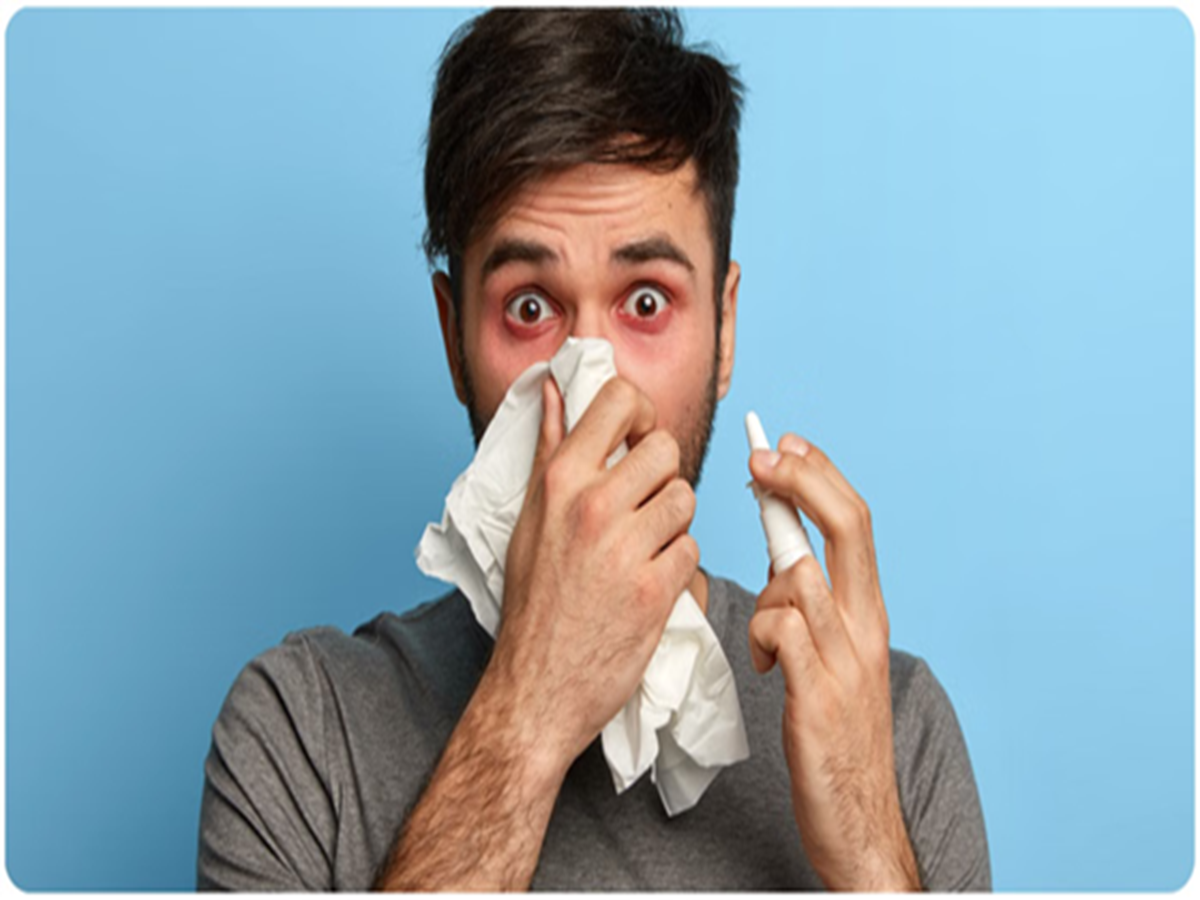
As a precautionary measure, the health department is monitoring the close family members of the deceased to prevent any potential spread of the infection.
Public alerts have been issued following this incident. Swine flu is a contagious respiratory disease—an illness affecting the breathing system that can spread from person to person. It is a type of seasonal flu that circulates annually, although severe outcomes have been reported in some cases.
Let us understand how dangerous an H1N1 infection is and how it can be prevented.
Alert regarding H1N1 in the country
According to health officials, the process of testing individuals who came into contact with the deceased has begun. Immediate treatment will be provided to anyone exhibiting symptoms. Cases of swine flu are reported every year, and activity levels can rise during seasonal transitions; therefore, people are advised to exercise extra caution during this period. Health experts note that seasonal influenza viruses, including H1N1, circulate periodically.
Health experts state that swine flu is a rapidly spreading subtype of the Influenza A virus. H1N1 is no longer a new disease; it was first identified in 2009 as the strain responsible for a global pandemic. It now circulates as a seasonal flu virus, with outbreaks occurring from time to time.
It primarily spreads through respiratory droplets released when coughing or sneezing. Additionally, infection can occur if a person touches their eyes, nose, or mouth after coming into contact with a contaminated surface.
According to doctors, most patients recover within a week; however, in some individuals, the virus can affect the lungs, heart, and other organs, leading to serious complications.
Know the symptoms of Swine Flu.
Interestingly, the early symptoms of H1N1 can resemble those of the common flu. This is why many people delay seeking medical attention. Therefore, awareness, accurate information, and timely medical advice are essential for protection against this disease.
Those infected by the virus may experience fever, cough, sore throat, runny nose, headache, muscle pain, fatigue, and occasionally vomiting or diarrhea.
In individuals with weakened immunity, it can lead to severe conditions such as pneumonia.
How does H1N1 spread, and how can it be prevented?
Health experts state that the virus can spread rapidly in crowded places and poorly ventilated rooms. To reduce the risk of infection, it is crucial to wash hands regularly, wear a mask when sick, and cover the mouth while coughing.

The risk is higher among pregnant women, the elderly, and young children; they are advised to take special precautions.
Furthermore, the infection can become severe in patients with pre-existing conditions such as heart disease, lung disease, or diabetes. In such cases, complications like pneumonia and breathing difficulties may arise, potentially requiring hospitalization.
PC Social Media