FASHION
Skincare tips for winter: Just apply these things to your face at night during the cold weather..

With the arrival of winter, various skin-related issues begin to emerge. Cold winds and a lack of environmental humidity can leave the face feeling dry, dull, and tight. Some people may experience flaking, while others might struggle with acne or oily skin. Given this, proper facial care before going to bed becomes essential. In fact, nighttime is ideal for a skincare routine; cleansing your face and applying the right moisturizer helps retain the skin's moisture.

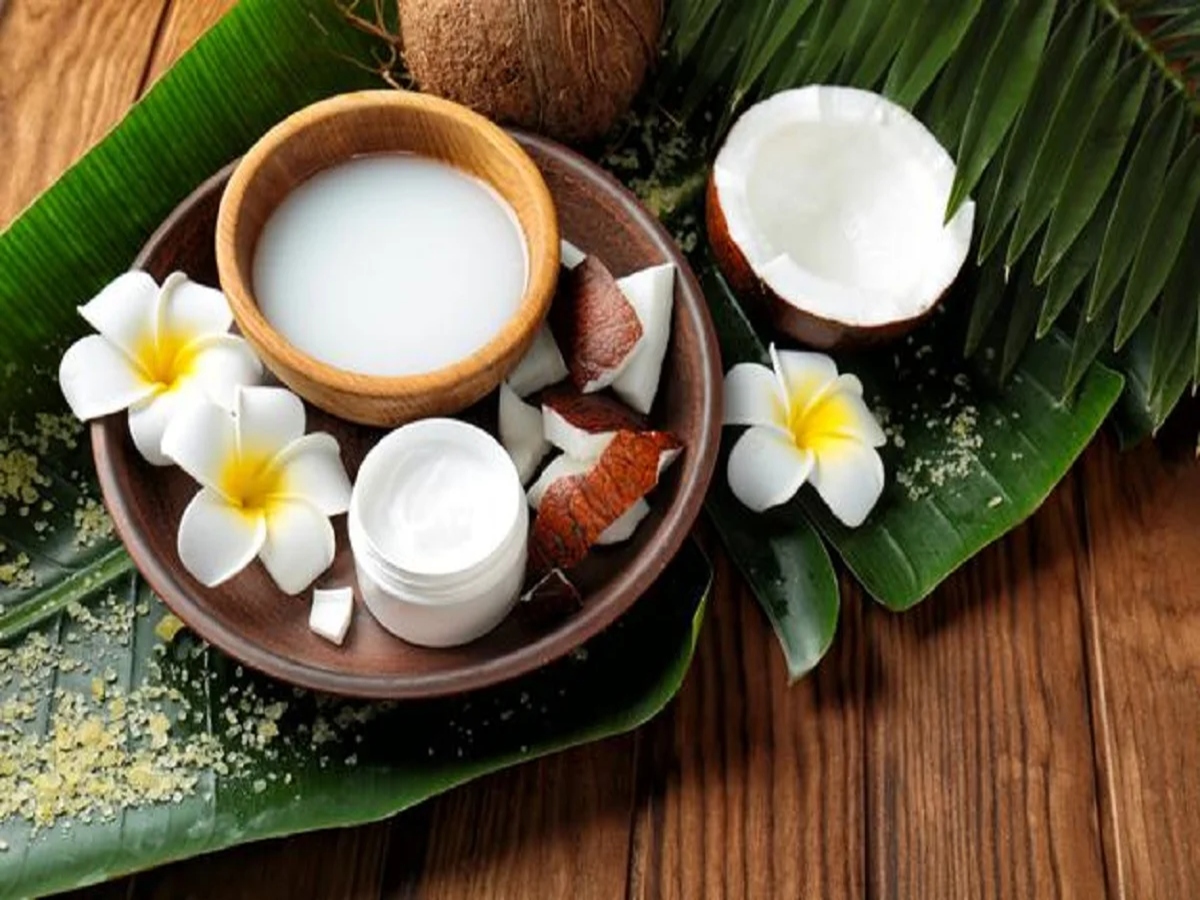
But the question remains: what should you apply to your face at night during the winter? Are coconut oil, aloe vera gel, glycerin, or a standard moisturizer the right choice? The answer depends on your skin type, as everyone’s skin has different needs. For oily skin, a lightweight gel-based moisturizer might be best, whereas dry skin may require a richer, thicker cream. Let’s explore what you should apply to your face at night during the winter and which option is best suited for your specific skin type.
What should you apply to your face at night during winter?
In winter, you should apply a product before bed that helps retain moisture and protects the skin barrier. Depending on your skin type, you can choose a moisturizer, a hydrating gel, or a cream.
Dry Skin
If your skin becomes very dry during the winter and feels tight after washing, applying a rich, thick moisturizer at night is a good choice. Look for a face cream that contains ingredients like ceramides, glycerin, hyaluronic acid, or shea butter—these help lock in moisture. For areas that are particularly dry, you can also apply a thin layer of petroleum jelly. Oily Skin
Health & Fitness
People with oily skin often think that moisturizer isn't necessary during winter, but that is not the case. Your skin still requires hydration. Before going to bed, apply an oil-free, non-comedogenic gel-based moisturizer. This will provide moisture to your skin without leaving a heavy or sticky feeling.
Combination Skin
If you experience excess oil on your forehead, nose, and chin, while your cheeks remain dry, you likely have combination skin. In this case, instead of applying a heavy, thick cream all over your face, use a lightweight moisturizer. You can apply a slightly richer cream to the drier areas, such as your cheeks.
Normal Skin
For those with normal skin, a lightweight, cream-based moisturizer is a good choice for winter. Look for products that contain hydrating ingredients like glycerin and hyaluronic acid. Apply the moisturizer at night after cleansing your face to help retain the skin's moisture.
Sensitive Skin
If your skin tends to turn red easily, or if certain products cause irritation or itching, opt for a fragrance-free moisturizer. Products containing ceramides can help support the skin's natural protective barrier. Always perform a patch test before applying any new product to your entire face.
Follow these 5 steps before going to bed:
Step 1: Cleanse your face using a mild face wash.
Step 2: Gently pat your face dry with a towel, leaving the skin slightly damp.
Step 3: Apply a moisturizer suitable for your skin type.
Step 4: Apply lip balm or petroleum jelly to your lips. Step 5: Get adequate sleep and use a humidifier if the air in the room is too dry.
Avoid these mistakes with your facial skincare during winter:
Do not wash your face with very hot water.
Avoid frequent scrubbing.
Do not apply substances like lemon or baking soda directly to your face.
Do not use new skincare products without performing a patch test first.
Do not forget to apply a broad-spectrum sunscreen with an SPF of 30 or higher, even during the day.
Note: If you experience persistent itching, burning, redness, cracking, or swelling on your face, consult a dermatologist.
PC Social Media