LIFESTYLE
Shradh Vidhi Abroad: If you live abroad, do Shraddha for Matru Navami and Sarvapitru Amavasya..
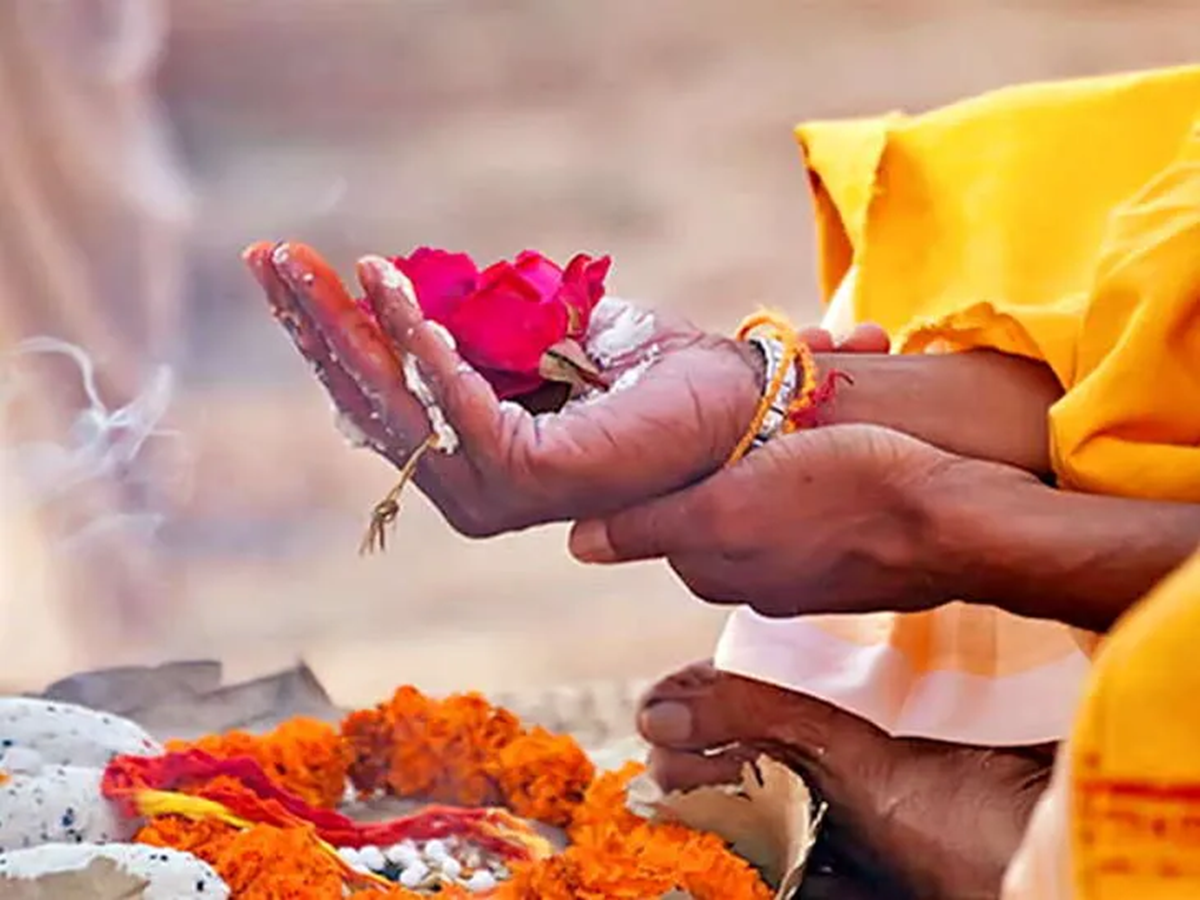
Performing Shradh Rituals Abroad During Pitru Paksha: In Hinduism, Pitru Paksha is considered a special period for remembering ancestors and expressing reverence and gratitude towards them. During this time, rituals such as *Tarpan* (offering water), *Pind Daan* (offering rice balls), and *Shradh* (ritual homage) are performed for the sake of the ancestors. While people living in India usually perform these rituals at home, in temples, or at riverbanks and pilgrimage sites, those living abroad often wonder how to observe *Shradh* rituals—specifically on days like *Matru Navami* and *Sarvapitra Amavasya*—while overseas. If you live abroad and cannot travel to India for these rituals, there is no need to worry. Religious traditions place greater importance on devotion, resolve, and the correct procedure than on the specific location. Therefore, one can remember and offer *Tarpan* to one's ancestors while abroad, adapting to local circumstances and personal convenience.
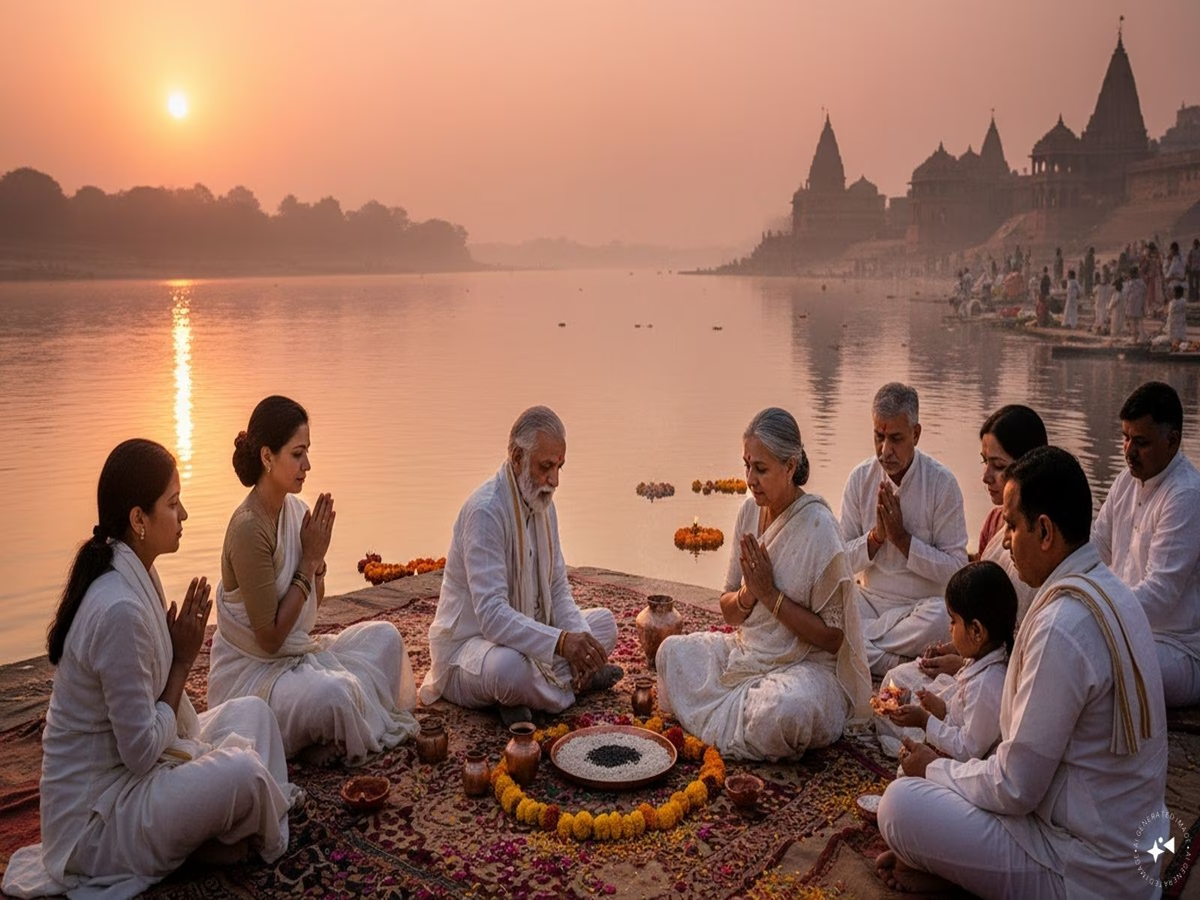
What is the significance of Shradh during Pitru Paksha?
According to Hindu religious beliefs, a person bears a specific debt towards their parents and ancestors, known as *Pitru Rina* (ancestral debt). Through *Shradh*, an individual remembers their ancestors and expresses respect and gratitude towards them. It is believed that *Tarpan*, *Pind Daan*, offering food, and acts of charity performed with devotion during Pitru Paksha bring the blessings of the ancestors. Ancestors are also remembered during this period to seek their blessings for the family's happiness, peace, and prosperity.
Can Shradh be performed abroad?
Yes, *Shradh* and *Tarpan* rituals can be performed while living abroad. If visiting a pilgrimage site or a riverbank in India is not possible for any reason, one can perform the worship and *Tarpan* at home in a clean and sanctified space. Those living abroad may also seek assistance from local Hindu temples, Indian community centers, or a qualified *Acharya* (priest). If such facilities are not available, one can commemorate the ancestors using a simple method in accordance with one's traditions and means.
**Things to keep in mind before performing Shraddh**
For Shraddh, it is essential to know the specific date of the ancestor's passing. Generally, the ritual is performed on the same lunar day (tithi) as the person's death. If the date of death is unknown, there is a tradition of performing Shraddh for all ancestors on *Sarvapitra Amavasya* (the new moon day of *Pitra Paksha*). On the day of the ritual, bathe and wear clean clothes in the morning. Choose a quiet and clean spot in your home for the worship and *Tarpan* (offering of water). If possible, arrange the following items beforehand: *Kusha* grass, black sesame seeds, water, rice, flowers, a lamp, incense, and food to be offered in the ancestors' name.
**What items are required for Shraddh?**
Even when living abroad, you do not need a vast array of materials. You can use the following items based on availability:
Clean water
Black sesame seeds
Cooked rice
*Kusha* grass (if available)
Flowers
Ghee lamp
Incense
Fruits
*Sattvic* food (pure, vegetarian food)
Rice and sesame seeds for making *Pind* (ritual rice balls)
Photograph of the ancestor (optional)
**A simple method for performing Shraddh abroad**
1. **Make a *Sankalp* (Solemn Vow)**
First, bathe and sit in a clean place. Calm your mind and make a *Sankalp* while remembering your ancestors.
You may state this in simple words:
"I am performing this *Tarpan* and Shraddh with reverence for the peace and spiritual liberation of my forefathers and ancestors." If you know your *Gotra* (lineage) and the ancestor's name, you may mention them during the *Sankalp*.
2. **Perform *Tarpan***
Take water in a clean vessel and mix black sesame seeds into it. Offer the water with reverence while remembering your ancestors. If you know the mantras, chant them according to your tradition. If you do not know the specific mantras, you can simply remember your ancestors with a sincere heart.
For instance, you may say—
"I offer this water to my ancestors with reverence. May all my forefathers attain peace."
3. Perform *Pind Daan*
If *Pind Daan* is part of your family tradition, you can prepare *pinds* (ritual rice balls) using cooked rice, black sesame seeds, and ghee. Place them on a clean plate or a leaf and remember your ancestors. While offering the *pinds*, you may recall the name and your relationship to the deceased ancestor. If the name is unknown, you can simply remember all the departed ancestors of your lineage.
4. Offer food dedicated to the ancestors
On the day of *Shraddha*, prepare *Sattvic* food (pure, vegetarian food) according to your family tradition. Offer the freshly cooked food to your ancestors while offering a prayer. Depending on tradition, many families prepare dishes such as *Kheer* (rice pudding), *Puri*, rice, lentils (*dal*), vegetables, and fruits. The specific dishes to be prepared can be decided based on family customs and available ingredients.
5. Donate food and feed others
The tradition of charity and feeding others is an integral part of *Shraddha*. In India, many people feed Brahmins on this day. If Brahmins are not available abroad, you can feed a needy person or donate food supplies according to your devotion and capacity. Food donations can also be made through local temples or Indian religious organizations.
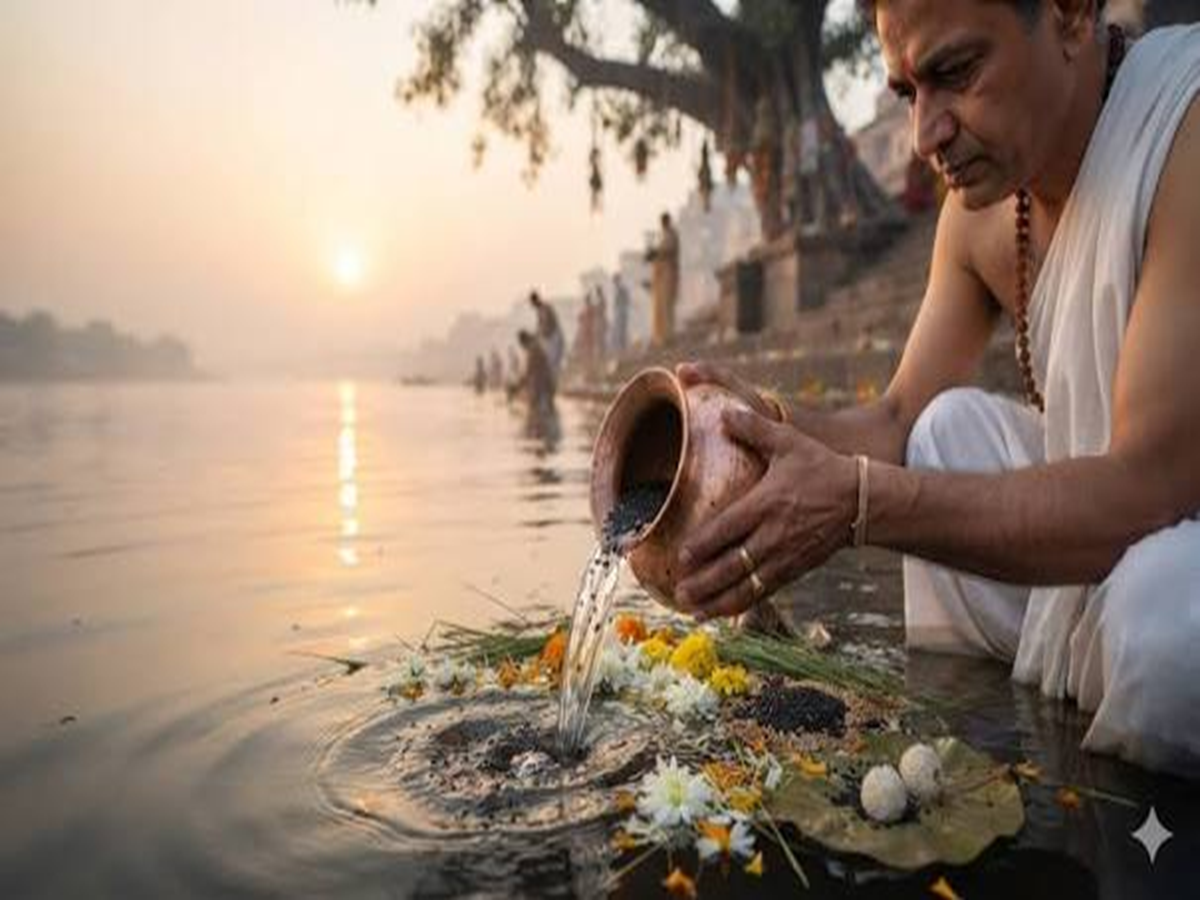
How to perform *Tarpan* abroad if there is no river nearby?
In India, many people perform *Tarpan* (offering water to ancestors) on the banks of holy rivers. However, this is not always possible for those living abroad. In such situations, you can perform *Tarpan* at home using water in a clean vessel. Later, this water can be poured onto the soil in a clean area or at the base of a tree, provided local regulations permit it. Always be mindful of local environmental and municipal guidelines before disposing of religious materials in rivers, lakes, or public spaces.
PC Social Media