FASHION
Shahnaz Hussain's Skin Tips: If humidity makes your skin feel stiff, prepare these 7 types of lotions at home..
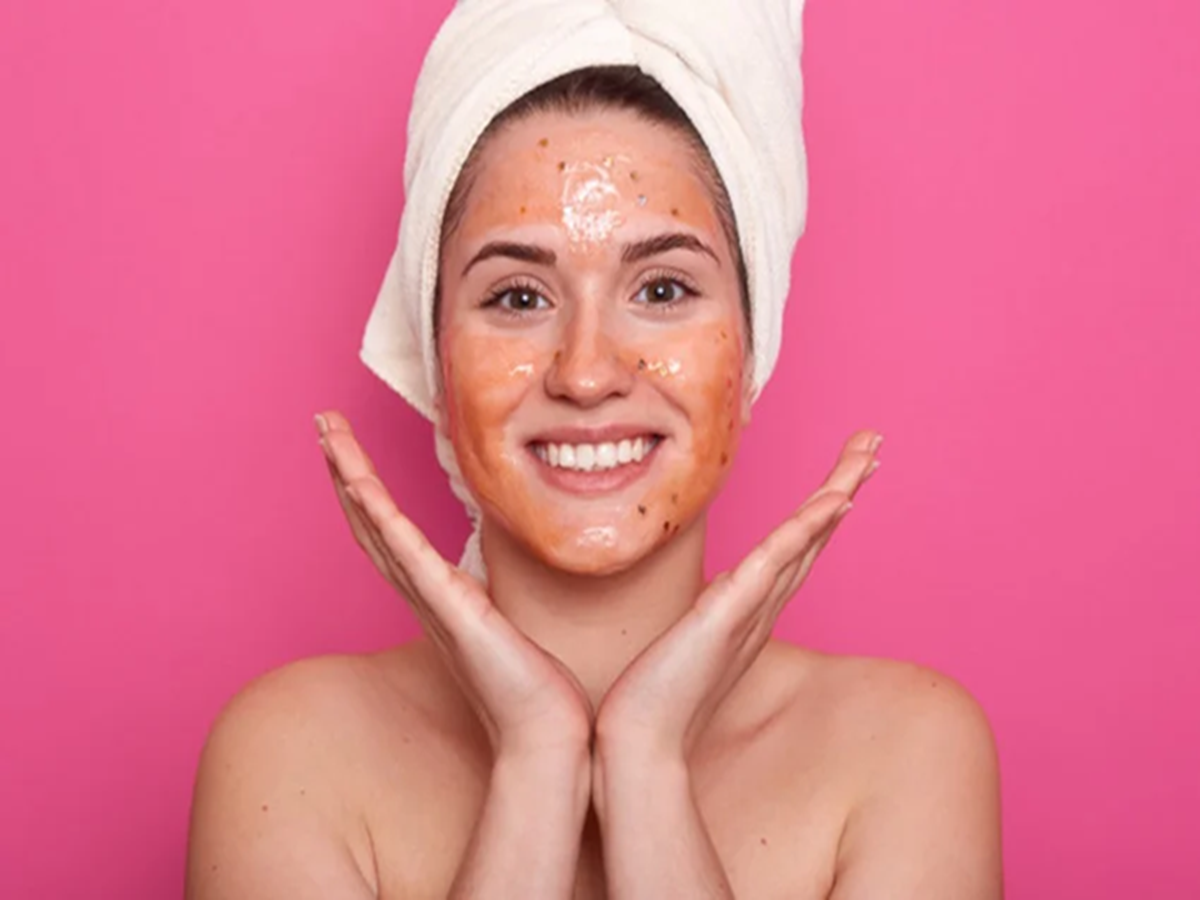
Shahnaz Hussain's Skin Tips: It is the rainy season. While the monsoon is generally considered a delightful time—with lush greenery springing to life amidst the gentle drizzle, lifting one's spirits—the end of the rain brings the havoc of humidity. As the rain stops, atmospheric humidity peaks, ushering in a spell of stifling mugginess that causes excessive sweating.
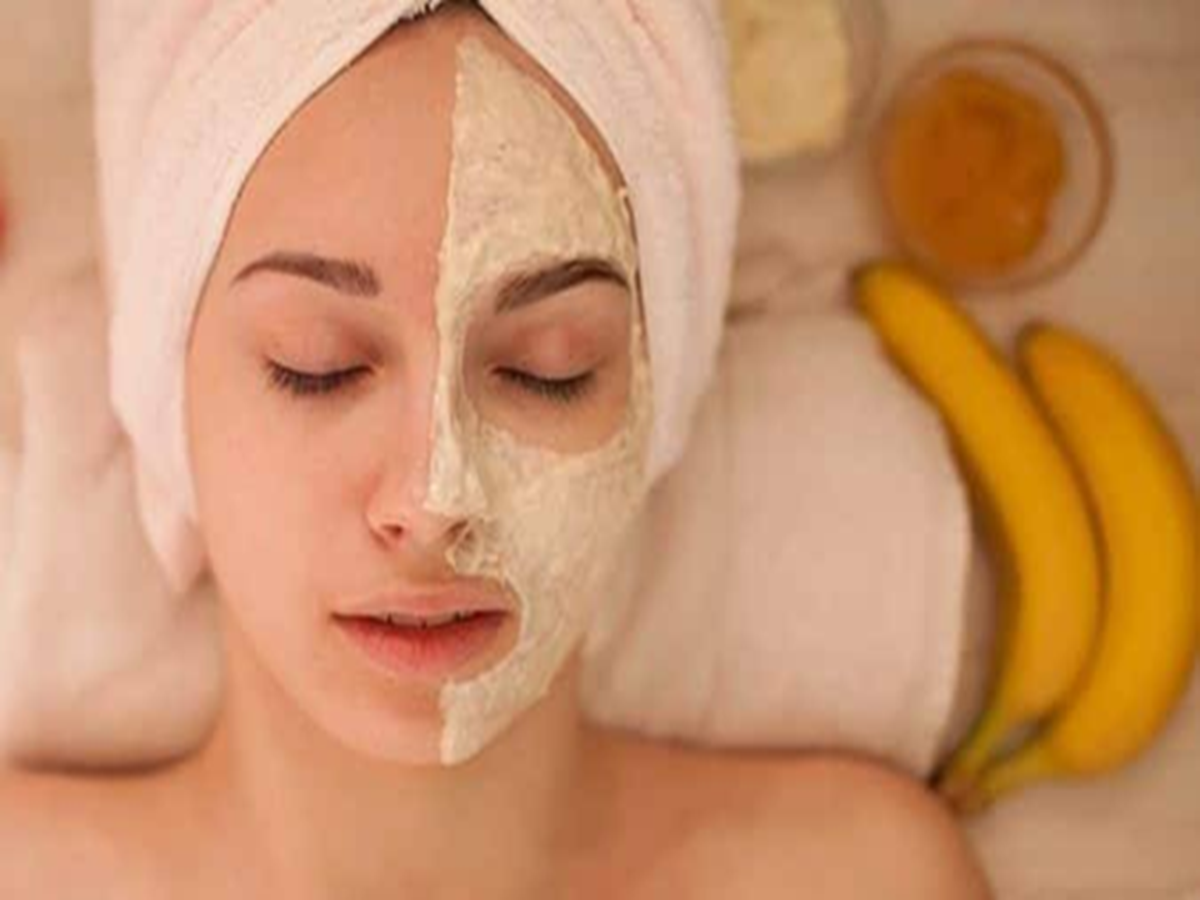
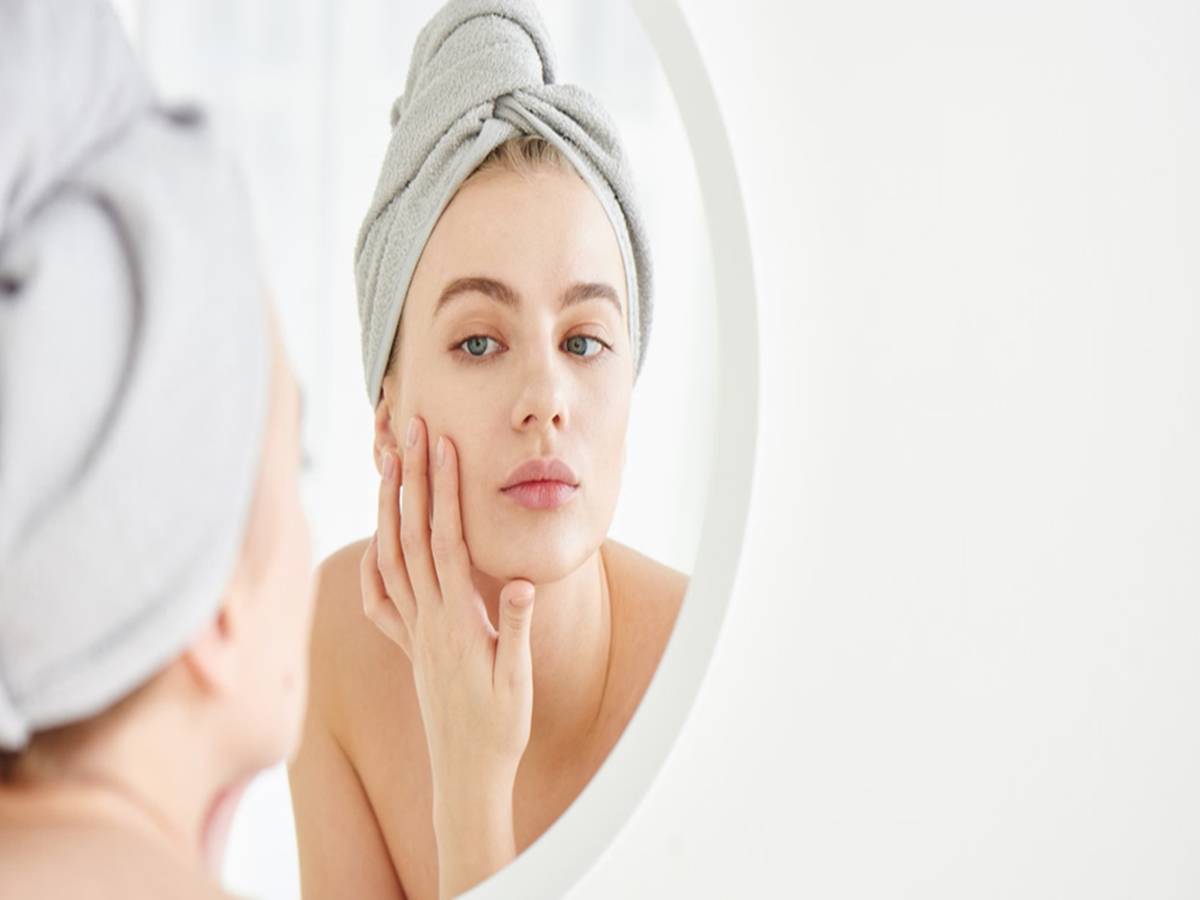
Stepping out in such humid conditions leaves people drenched in sweat. This humidity is also detrimental to the skin; high humidity can cause a prickly, stinging sensation on the face. It can make the skin feel hard and even lead to cracking. To combat this, renowned beauty expert Shahnaz Hussain suggests some very affordable and simple remedies. With these, you can prepare various skin lotions at home to keep your skin as soft as a rose petal.
How to Make the Lotions
Plain Aloe Vera: To counter humidity, you can apply plain aloe vera pulp to your face. Aloe vera plays a crucial role in protecting the skin from sun damage. You can use it fresh by plucking it directly from the plant; simply scrape the gel from the leaves, apply it to your skin, and wash it off with fresh water after a while. It is an excellent remedy for sunburn.
Cucumber and Rose Water: Cucumber is a fantastic product for the skin, and you can use it to make your own sunscreen lotion. To prepare it, first grate the cucumber and extract all its juice. Then, mix in rose water to create a solution. You can use this mixture just like sunscreen. Thanks to its cooling properties, cucumber provides a soothing effect and restores the skin's softness.
Coconut and Olive Oil: A sunscreen made from coconut and olive oil is highly beneficial for the skin. To prepare this, add 15 drops of olive oil to half a cup of coconut oil. Next, mix in 7 drops of carrot seed oil and store the mixture in a glass bottle. You can use this as a sunscreen for an extended period.
Shea Butter and Almond Oil: In a glass bowl, combine two tablespoons of almond oil, one tablespoon each of shea butter and cocoa butter, a Vitamin E capsule, and half a teaspoon of zinc oxide. Mix everything thoroughly and store the mixture in an airtight container. Apply it 15–20 minutes before stepping outdoors.
Aloe Vera and Shea Butter: To make this sunscreen, mix 1 teaspoon of aloe vera gel, 1–2 teaspoons of coconut oil, 3–4 teaspoons of shea butter, and 3–4 teaspoons of zinc oxide in a bowl until you achieve a creamy consistency. Store the mixture in a plastic container in the refrigerator and reapply it regularly every two hours. Aloe vera gel helps moisturize the skin and provides a cooling effect.
Vitamin E and Zinc Oxide: To prepare this sunscreen, mix 1 teaspoon of aloe vera gel, 4–5 drops of Vitamin E oil, 1 teaspoon of sunflower oil, and 2–3 teaspoons of zinc oxide in a glass bowl to form a creamy mixture. Store it in an airtight container in the refrigerator and apply it every two to three hours as needed. Zinc oxide is an excellent sunscreen ingredient as it blocks both UVA and UVB rays.
Walnut Oil Sunscreen: To make this, mix 1/4 cup of aloe vera gel, 25–30 drops of walnut oil, 1 cup of shea butter, 2–3 teaspoons of coconut oil, and 2–3 teaspoons of zinc oxide in a glass bowl until you get a creamy mixture, then store it in the refrigerator. Apply this cream to your skin. Shea butter helps make the skin soft and supple, while coconut oil acts as a natural sunscreen.
Coconut Oil and Aloe Vera: To prepare this, thoroughly mix four tablespoons of aloe vera gel and four tablespoons of coconut oil in a glass bowl until the mixture acquires a creamy texture. Add two or three drops of rose or sandalwood oil for fragrance. Blend everything to form the cream and store it in a glass jar. Apply it generously to your face, neck, and hands 15 to 20 minutes before stepping out, and reapply every 2 to 3 hours.
Use Sunscreen Too
Shahnaz Husain advises not to forget sunscreen to protect against humidity during the monsoon; however, you can also try these alternatives to boost your skin's natural resilience. They will naturally enhance your complexion's glow and provide long-lasting benefits. In fact, using natural ingredients found at home can be even more effective than commercial sunscreen, without putting a strain on your budget.
PC Social Media