LIFESTYLE
Sawan: Why is the first Monday of Sawan considered the most special? Find out which activities are auspicious..
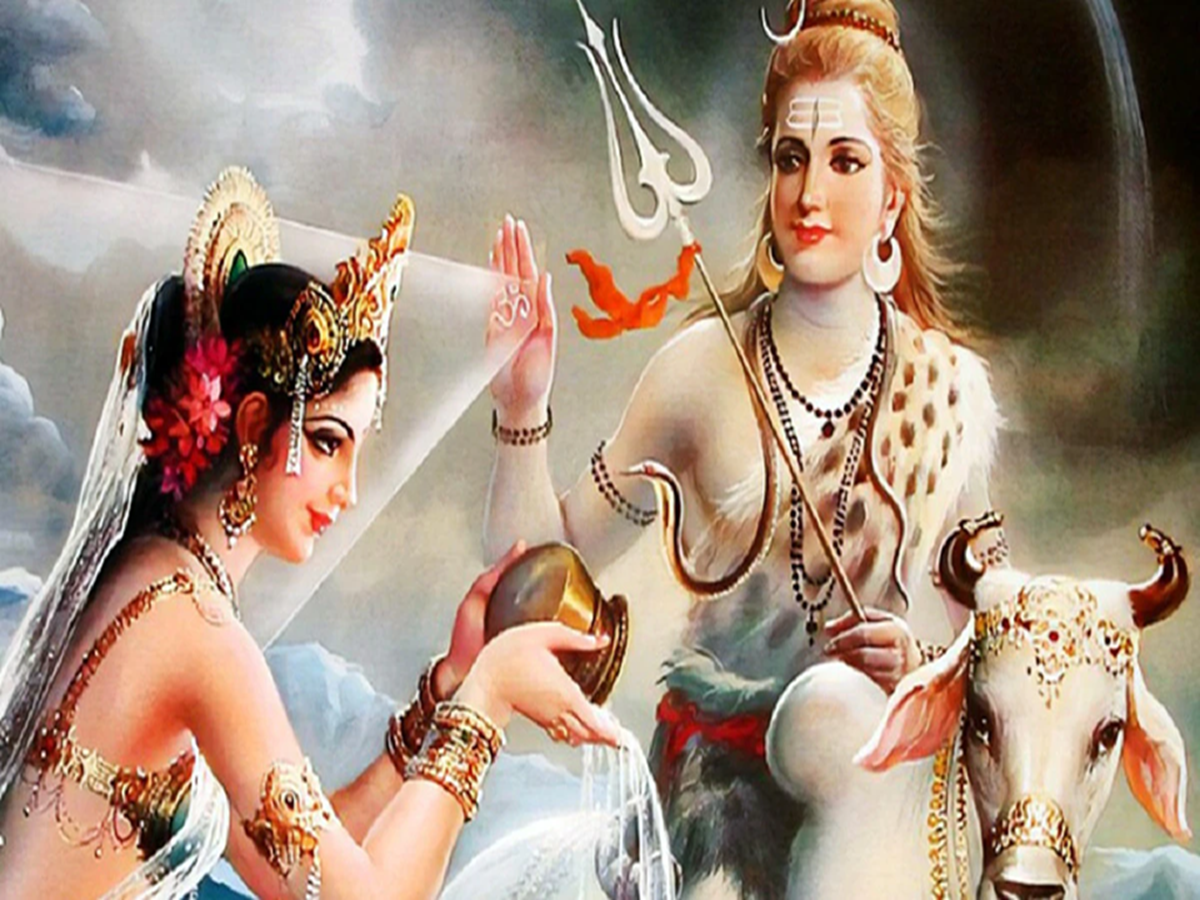
Sawan Start Date 2026: With the arrival of the month of Sawan, the atmosphere becomes steeped in devotion, filled with the ringing of bells in Shiva temples, chants of "Bol Bam," and the fervent faith of devotees. Many eagerly await this month throughout the year, as it is believed to be the most auspicious time to worship Lord Shiva. If you wish to know when Sawan begins in 2026, how many Sawan Mondays there will be, and which auspicious rituals to perform on the first Monday, this information will be useful to you.

According to the *Panchang* (Hindu almanac), the month of Shravan in 2026 will commence on July 30 and conclude on August 28. During this period, there will be four Sawan Mondays, each holding immense religious significance. Let us explore the details and some simple rituals associated with the worship on the first Monday.
When does Sawan 2026 begin?
According to the *Panchang*, the month of Shravan in 2026 will start on Thursday, July 30, and end on Friday, August 28. Throughout the month, special prayers, *Rudrabhishek* ceremonies, *Kanwar Yatra* processions, and various religious events will be organized at Shiva temples across the country. It is a widely held religious belief that worshipping Lord Shiva with a sincere heart during this month leads to the fulfillment of one's wishes. This is why lakhs of devotees observe fasts and regularly perform *Jalabhishek* (offering water) to the *Shivling*.
How many Mondays will fall during Sawan 2026?
There will be a total of four Sawan Mondays this year. These days are considered the most auspicious for the special worship of Lord Shiva.
Complete list of Sawan Mondays in 2026:
1. First Sawan Monday – August 3, 2026
2. Second Sawan Monday – August 10, 2026
3. Third Sawan Monday – August 17, 2026
4. Fourth Sawan Monday – August 24, 2026
On these four Mondays, a large number of devotees will observe fasts and offer water, milk, and *Belpatra* (Bilva leaves) at Shiva temples. Perform these auspicious rituals on the first Monday of Sawan.
The first Monday of Sawan is considered highly auspicious. It is believed that worship performed with deep devotion on this day pleases Lord Shiva quickly. Wake up during the *Brahma Muhurta* (early morning hours), bathe, and wear clean or white clothing. Afterward, perform *Abhishek* on the *Shivling* using *Gangajal* (holy water from the Ganges), pure water, milk, curd, and honey. Offering *Belpatra* (wood apple leaves), *Dhatura*, *Aak* flowers, and *Bhasma* (sacred ash) during worship is also considered auspicious. Visiting a nearby Shiva temple to perform *Jal-abhishek* (offering water) and seeking a glimpse (*darshan*) of Lord Shiva is believed to yield auspicious results. Many families worship together on this day, which helps maintain a positive atmosphere in the home.
Special significance of chanting mantras and reciting prayers
Chanting the mantra "Om Namah Shivaya" at least 108 times during worship is considered auspicious. Additionally, one may recite the *Shiv Chalisa* and *Rudrashtak*. According to religious beliefs, chanting mantras calms the mind and focuses one's attention on devotion to Lord Shiva. This is why it is recommended to chant Shiva mantras both in the morning and evening during the month of Sawan.
Focus on charity and a *Sattvic* lifestyle.
It is important to pay attention not only to worship but also to one's behavior and diet. During Sawan, consuming *Sattvic* food (pure, wholesome food), avoiding anger, and donating food, clothing, or other items to the needy according to one's capacity is considered auspicious. Many people practice self-restraint during this month by abstaining from intoxicants and *Tamasic* foods (foods that induce lethargy or aggression). Religious traditions consider this an excellent way to attain the grace of Lord Shiva.
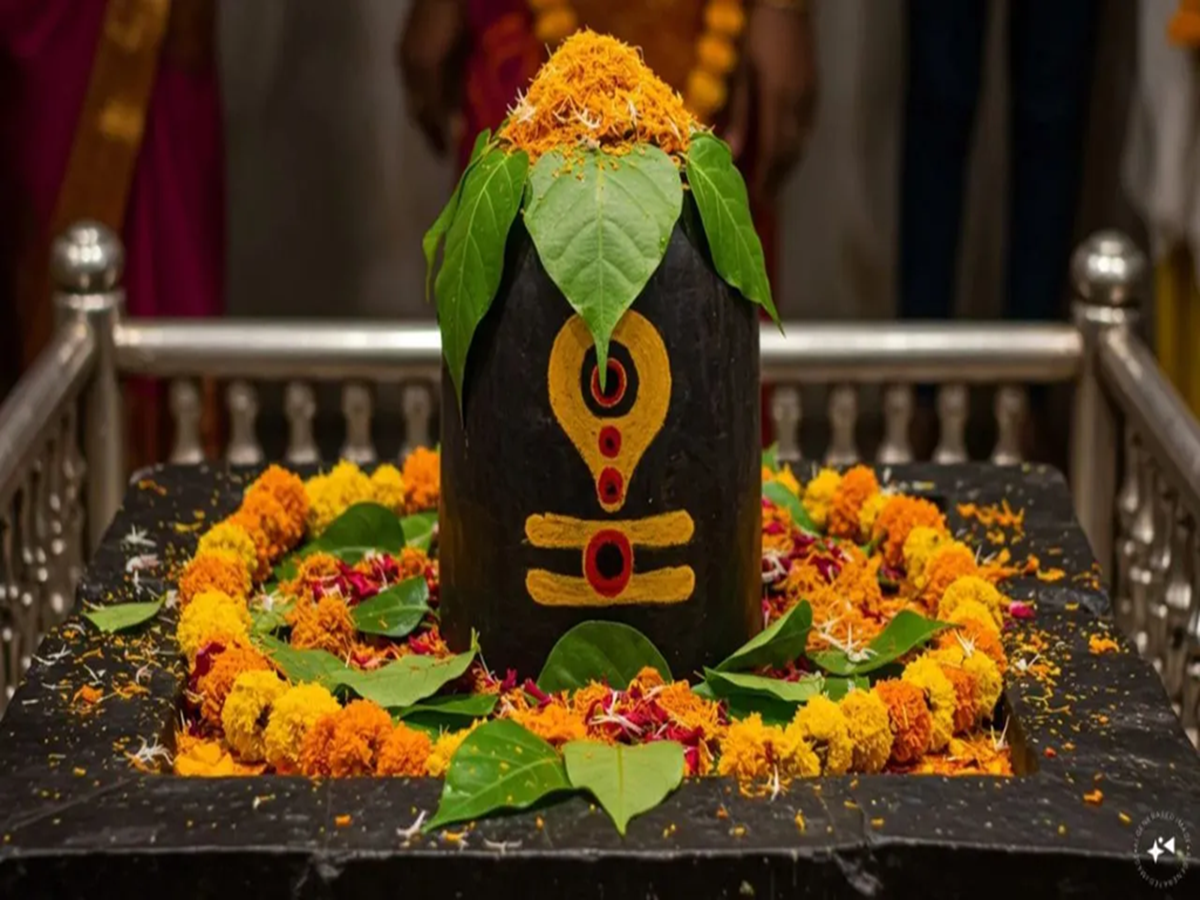
Why does Sawan hold special religious significance?
The month of Shravan is considered Lord Shiva's favorite month. According to ancient beliefs, worship, chanting, fasting, and *Abhishek* performed throughout this month yield manifold rewards. For this reason, huge crowds of devotees are seen at Shiva temples across the country. From the *Kanwar Yatra* to *Rudrabhishek* and *Bhajan-Kirtan* (devotional singing), an atmosphere of devotion prevails throughout the month. It is believed that worshipping Lord Shiva with true devotion and faith brings blessings of happiness, peace, prosperity, and good health in life.
PC Social Media