LIFESTYLE
Rules for Tying Rakhi: Raksha Bandhan is on Friday—3 or 5... how many knots should be tied when tying the Rakhi on your brother?
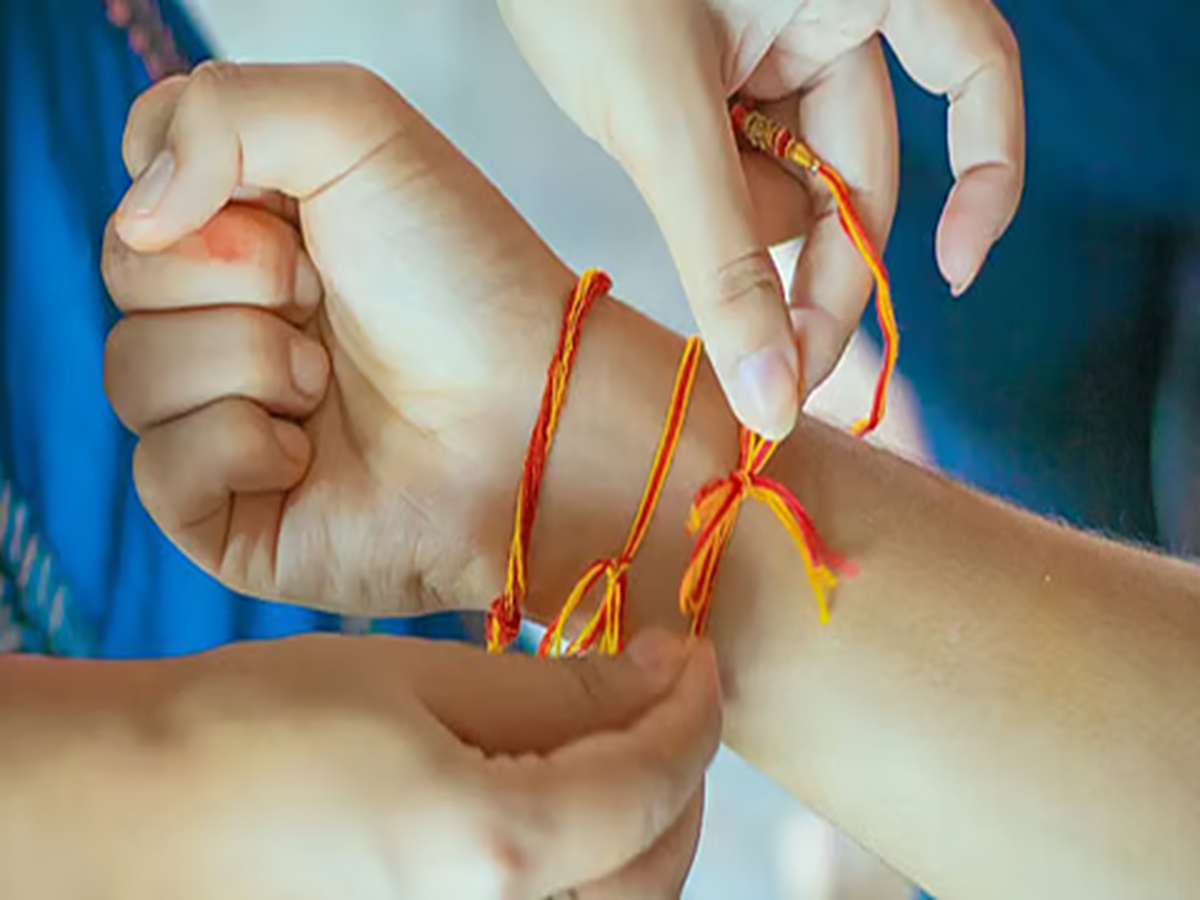
Raksha Bandhan: Rules for Tying the Rakhi Knot – The festival of Raksha Bandhan symbolizes the unbreakable bond of love and trust between siblings. It is celebrated annually on the *Ashtami Tithi* (eighth day) of the *Shukla Paksha* (waxing phase of the moon) in the month of *Sawan*; this year, the auspicious occasion falls on Friday, August 28th. With the festival just around the corner, preparations are already underway in markets and households alike. A lunar eclipse is also set to occur on this day, but since it will not be visible in India, sisters can tie the *Rakhi* without any hindrance. Several traditions are observed during this festival, one of which involves tying knots in the *Rakhi* itself. Do you know how many knots are considered auspicious to tie in a *Rakhi* and how this practice relates to the *Tridev* (the Holy Trinity of Hindu deities)?
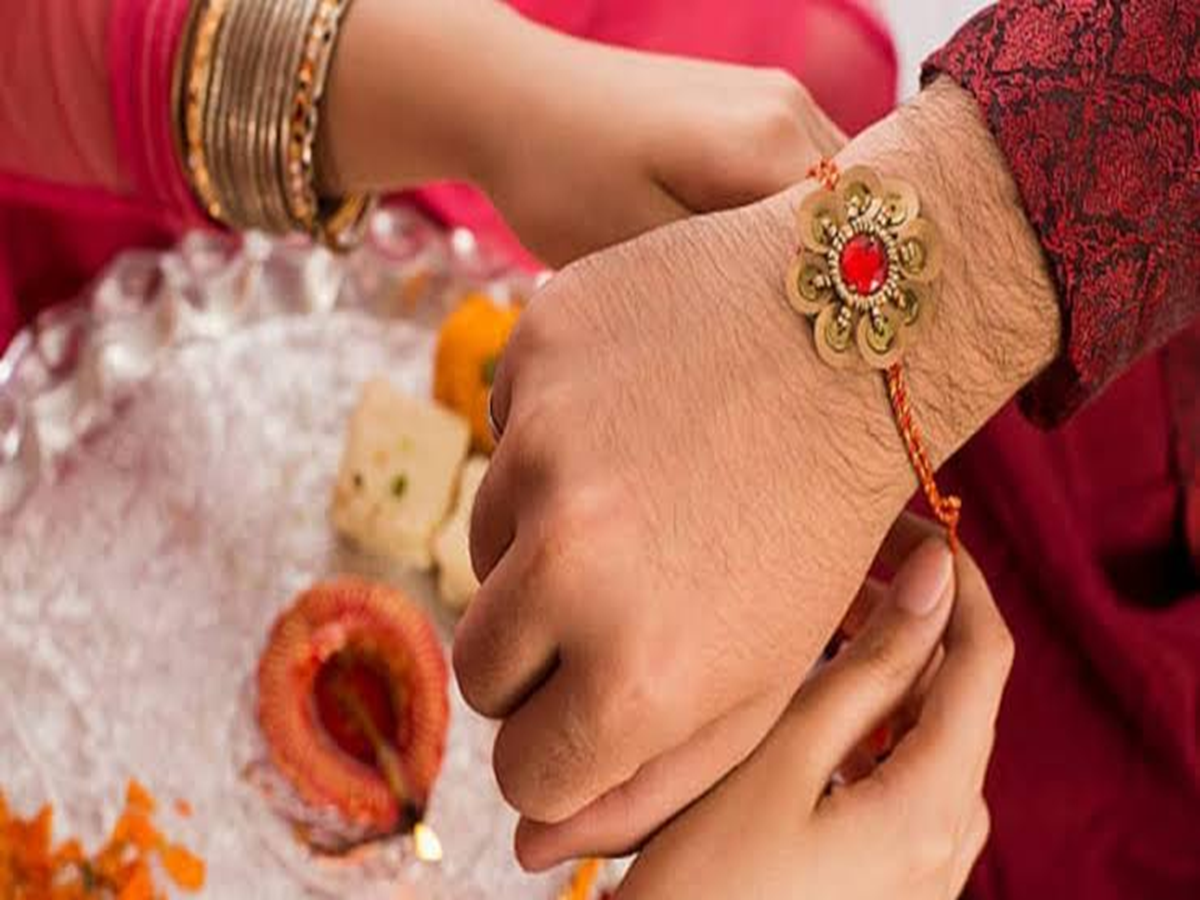
How many knots should be tied in the *Rakhi*?
On Raksha Bandhan, sisters tie a *Raksha Sutra* (protective thread)—or *Rakhi*—around their brothers' wrists, praying for their longevity, happiness, progress, and prosperity. In return, brothers offer gifts and pledge to protect their sisters. The act of tying the *Rakhi* creates an emotional and enduring bond that lasts a lifetime. The question arises: how many knots should a sister tie? Beliefs regarding this tradition vary by region; in some places, three knots are tied, while in others, five are customary. Traditions surrounding the tying of *Rakhi* can differ across families and geographical areas.
Three knots in the *Rakhi*: A symbol of the *Tridev*
In some regions, three knots are tied when securing the *Rakhi* on the brother's wrist. These three knots symbolize the *Tridev*—Lord Brahma, Lord Vishnu, and Lord Shiva. It is believed that the blessings of these three deities ensure happiness, prosperity, and safety in the brother's life.
The first knot – The first knot of the *Rakhi* is considered dedicated to Lord Brahma, the Creator of the Universe. It fosters happiness, creativity, and the birth of new ideas in the brother's life. Additionally, it embodies the wish for the brother's life to be one of constant progress. Second Knot – The second knot of the Rakhi is considered a symbol of Lord Vishnu, the Preserver of the Universe. This knot shields the brother from all troubles and crises, bestowing happiness and peace upon him. It brings security and stability to his life.
Third Knot – The third knot of the Rakhi is considered a symbol of Lord Shiva, the Destroyer of the Universe. This knot dispels negativity, troubles, obstacles, and evils from the brother's life. It strengthens his life at every turn.
Five Knots of Rakhi: Symbols of the *Panchatattva* (Five Elements)
In some regions, tying five knots while fastening the Rakhi on the brother's wrist is considered auspicious. These five knots symbolize the *Panchatattva*—Earth, Water, Fire, Ether (Space), and Air.
First Knot – The first knot of the Rakhi symbolizes Earth. It instills patience and stability in the brother's life.
Second Knot – The second knot of the Rakhi symbolizes Water. It brings simplicity, calmness, and gentleness to the brother's life.
Third Knot – The third knot of the Rakhi symbolizes Fire. This knot bestows courage, valor, energy, and self-confidence upon the brother.
Fourth Knot – The fourth knot of the Rakhi is dedicated to Air. It fosters independent thinking, progress, and positivity in the brother's life.
Fifth Knot – The fifth knot of the Rakhi is dedicated to Ether (Space). It brings success, opportunities, and a broad, generous heart to the brother's life.
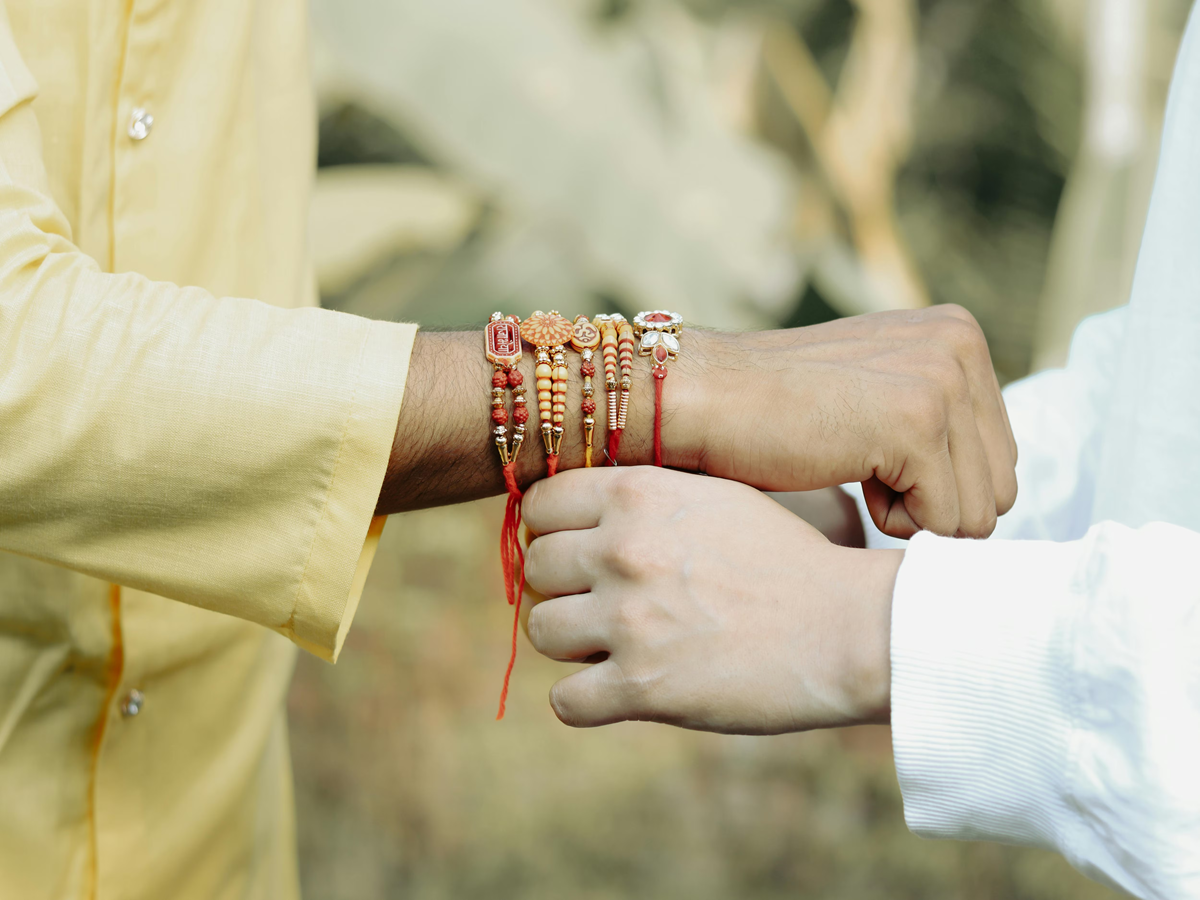
How many knots are auspicious?
If you are unsure about how many knots to tie while fastening the Rakhi, know that you can tie either three or five. Three knots represent the *Tridev* (the Holy Trinity), while five knots represent the *Panchatattva* (the five elements). You may choose to tie three or five knots based on your traditions and beliefs.
PC Social Media