LIFESTYLE
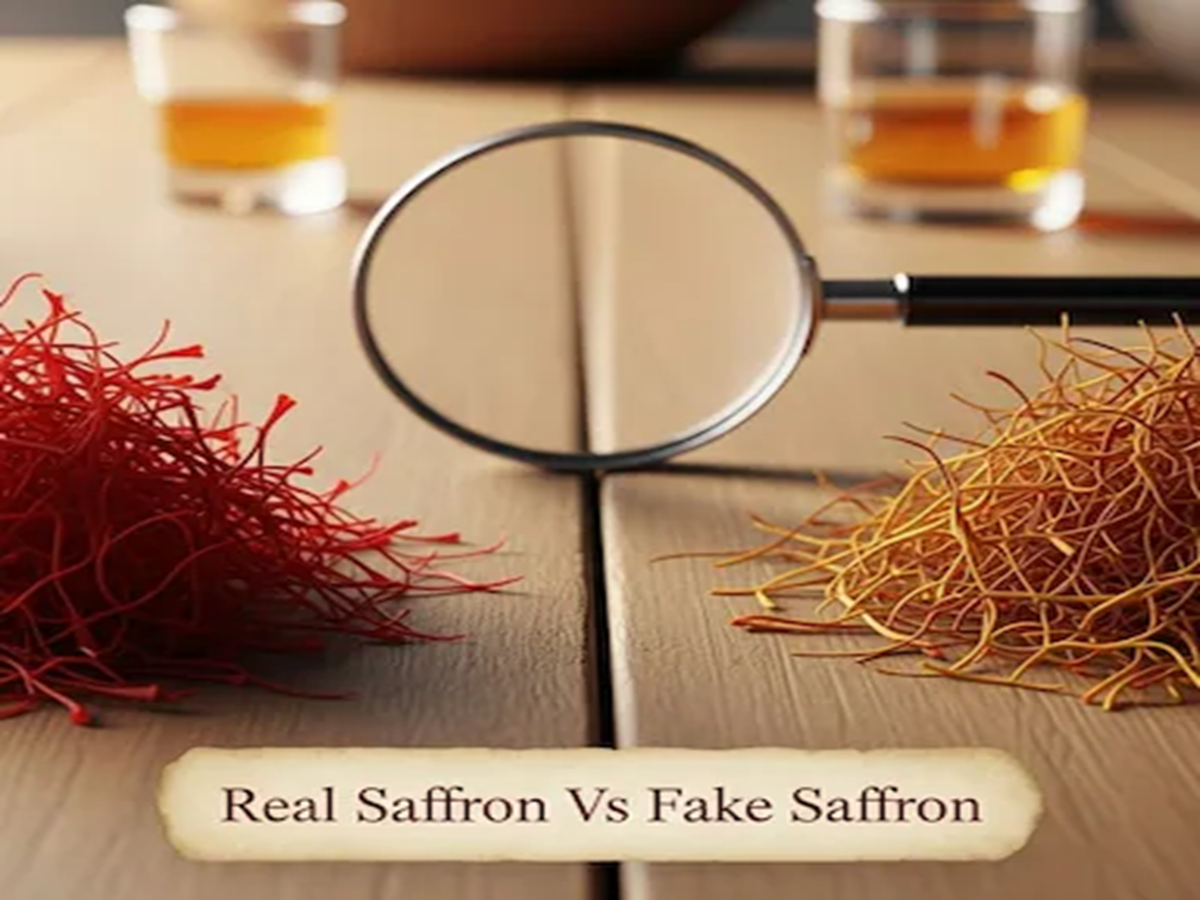
Real vs. Fake Saffron: Is Kashmiri saffron genuine or fake? Instantly identify it using these 5 tests to avoid getting scammed..
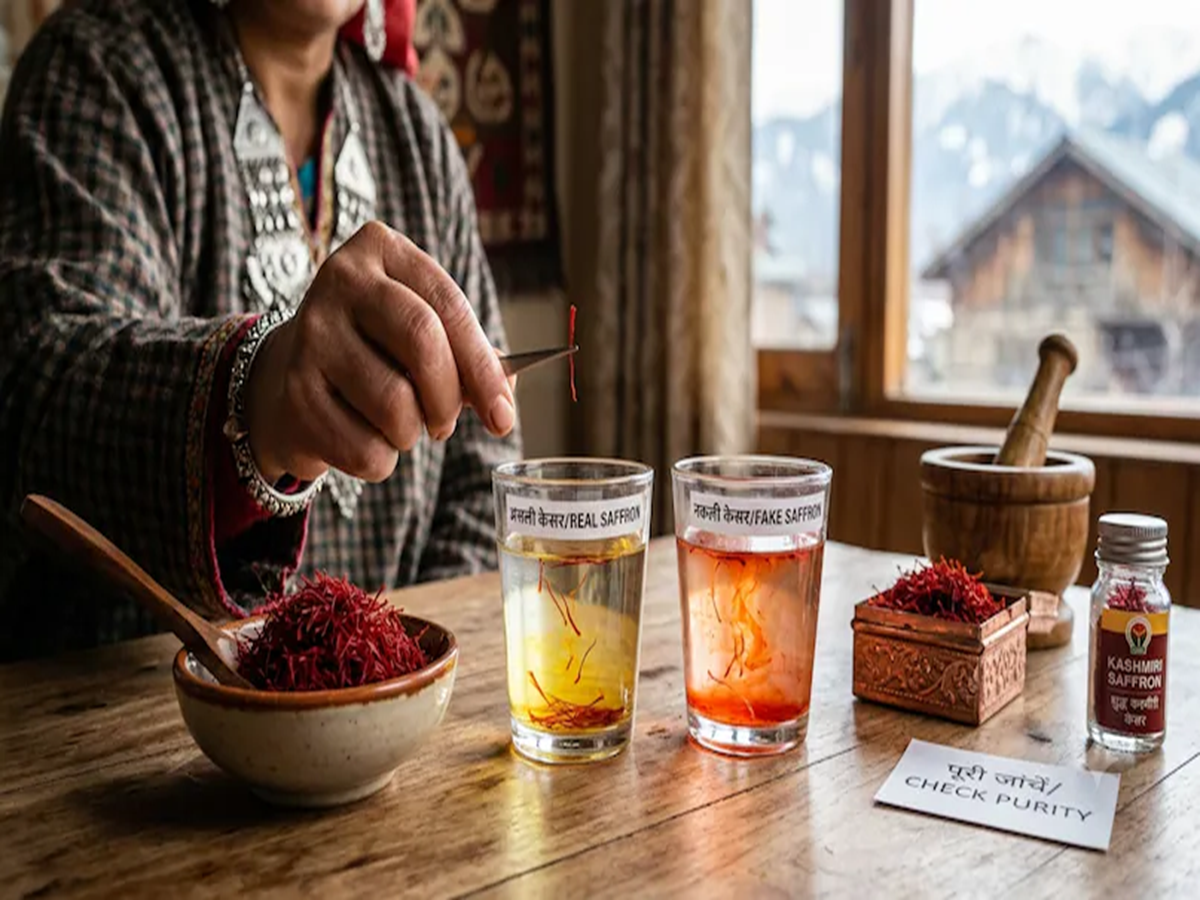
How to Check Saffron Purity: Saffron is known as the 'red gold' of Indian kitchens. Kashmiri saffron is renowned worldwide for its exquisite aroma, deep red color, and medicinal properties. However, due to its high price, the trade of adulterated and fake saffron has also surged in the market. Traders often dye corn silk, plastic, or ordinary threads red and sell them as saffron. If you are planning to buy Kashmiri saffron, a little vigilance can help you avoid being scammed. Here are some simple home tests that allow you to distinguish between real and fake saffron in seconds.
How to Identify Original Saffron:
1. Cold Water Test:
The most accurate way to identify real saffron is the water test. Take some cold water in a glass and add 2–3 strands of saffron.
Real Saffron: It slowly releases a golden-yellow color upon being added to the water. It takes about 10 to 15 minutes for the color to bleed out, yet the strand itself retains its original red color.
Fake Saffron: It immediately releases a deep red color upon contact with water, and the strand quickly turns white or colorless.
2. Smell and Taste Test:
Real Kashmiri saffron has a potent, sweet aroma that can be detected from a distance. The scent resembles a blend of honey and dried hay. However, note that while the aroma is sweet, the taste is never sweet. Real saffron tastes slightly bitter on the tongue. If it tastes sweet, it indicates adulteration with a sugar or jaggery solution.
3. Rubbing Test:
After soaking the saffron strand in water, place it between your fingers and rub it gently. If the thread breaks and crumbles or turns into a pulp when rubbed, it is fake. A genuine saffron thread remains strong even after soaking in water and does not break easily when rubbed.
4. Baking Soda Test
This is a highly effective and simple test. Take some water in a small bowl and mix in a pinch of baking soda. Now, add a few saffron threads to it. If the water turns yellow, the saffron is completely genuine. If the water turns red or a deep orange, it indicates the presence of added chemical dyes.
5. Texture Test (Texture & Moisture)
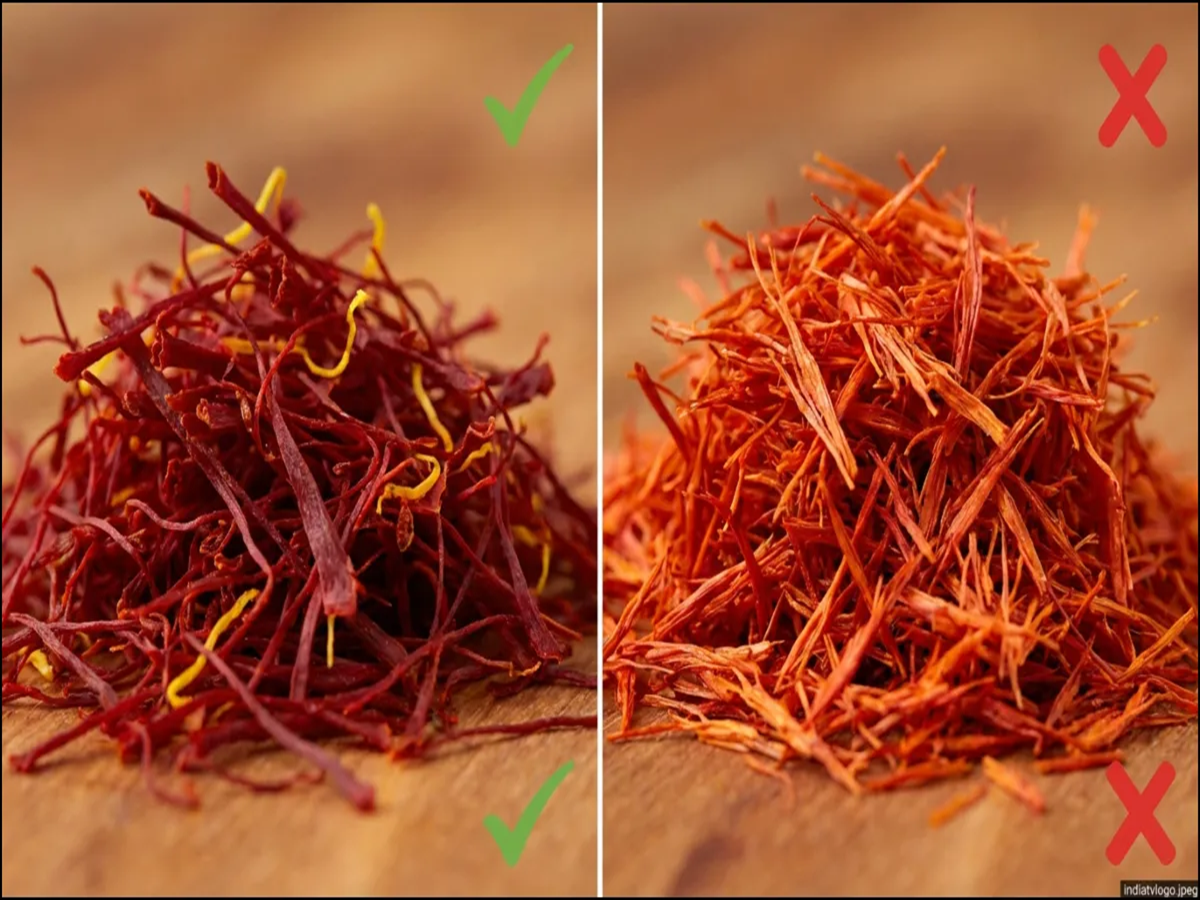
Kashmiri saffron is never completely dry or brittle. It feels slightly pliable and retains a hint of moisture to the touch. If a saffron thread feels excessively dry, brittle, or snaps immediately upon touching, it may be old or made from artificial materials.
Keep these points in mind when buying Kashmiri saffron:
Pay attention to the color: Genuine Kashmiri saffron is deep red (crimson red) in color. The thread has a slightly wider tip at the upper end.
Do not compromise on price: Pure Kashmiri saffron has limited production, making it quite expensive. If someone offers you Kashmiri saffron at a very low price, it is highly likely to be fake.
Check for the GI Tag: The government awards a GI (Geographical Indication) tag to certify the authenticity of Kashmiri saffron. Be sure to check for the GI tag logo and QR code on the packaging.
These simple home tests can save you from buying fake products and risking your health. Keep these points in mind the next time you bring home 'Red Gold' from the market.
PC Social Media