
LIFESTYLE
Raksha Bandhan 2026: If you have more than one brother, whom should you tie the Rakhi to first? Know the correct rules..
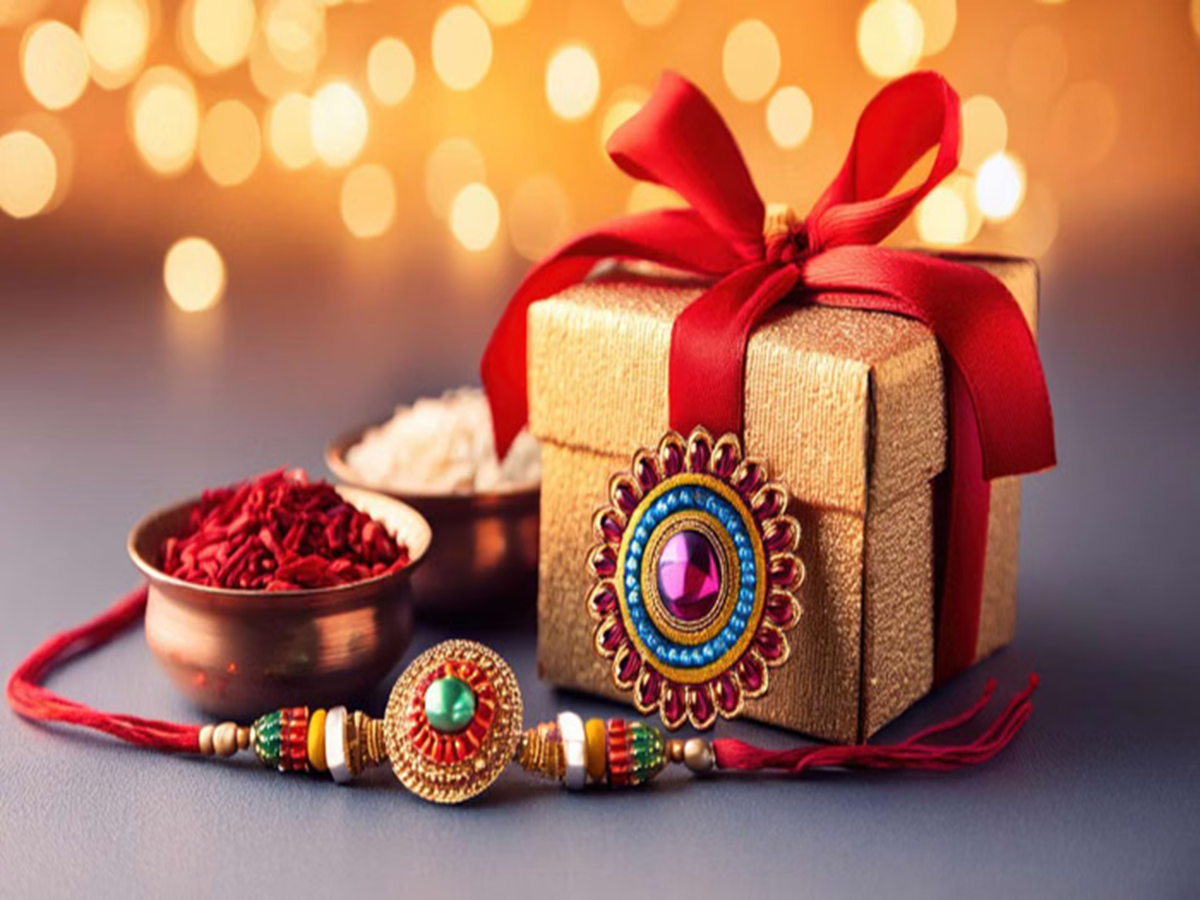
Raksha Bandhan 2026 – Rituals and Guidelines: Raksha Bandhan is a major festival celebrating the bond of love, trust, and protection between siblings. In 2026, Raksha Bandhan will be celebrated on August 28. On this day, sisters tie a *Raksha Sutra* (protective thread) around their brothers' wrists and pray for their happiness, health, and longevity. However, when a family has more than one brother, the question often arises: with whom should the ritual begin—the elder brother or the younger one? Is the order determined by age or by where they are seated? Let us explore the beliefs associated with this.
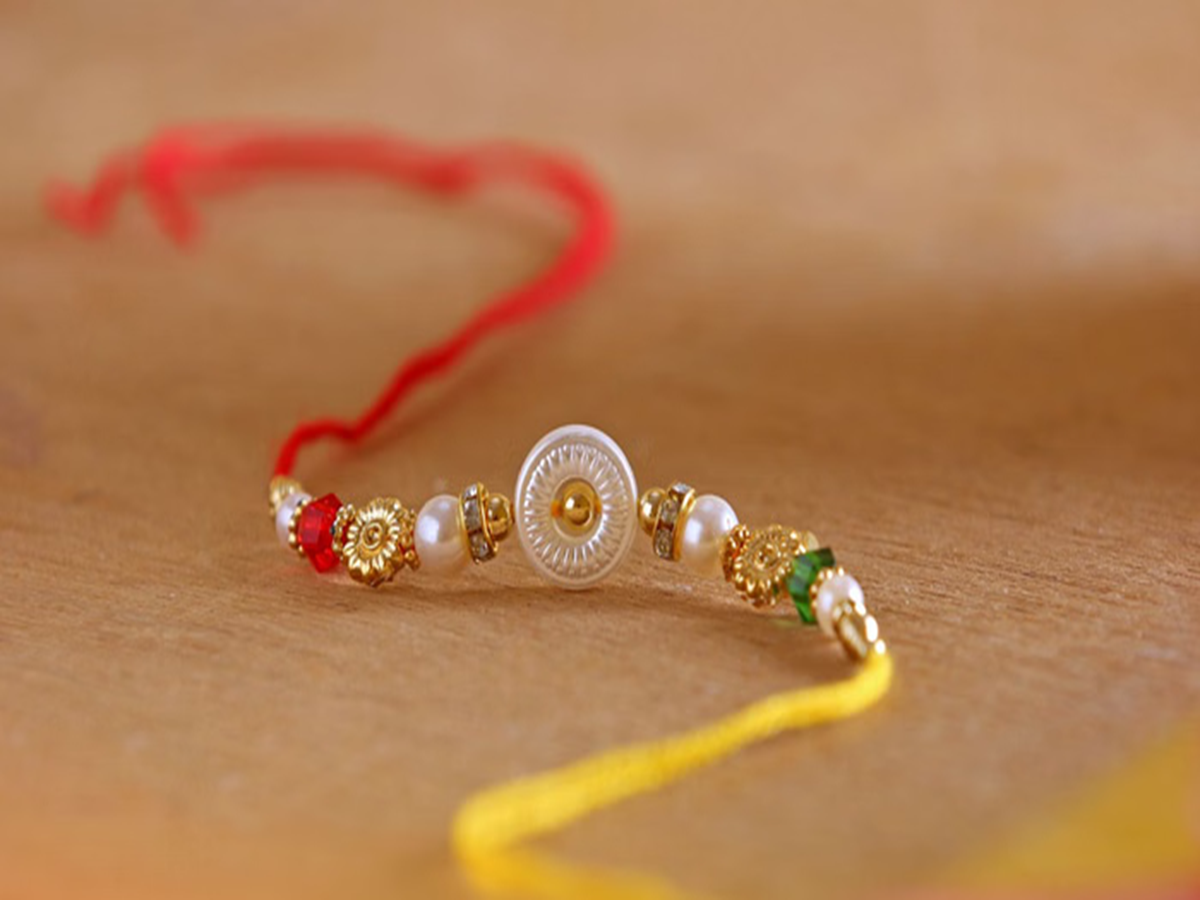
Which brother should the Rakhi be tied to first?
If there are two or more brothers in the family, common family tradition considers it appropriate to begin the ritual with the elder brother. Rakhi can then be tied to the younger brothers. However, the seating order of the brothers is not a mandatory religious rule; the ritual does not strictly have to follow the brothers' seating arrangement.
The primary objective of Raksha Bandhan is to foster love and respect between siblings and to wish each other well. Therefore, sincerity and devotion are considered more important than the specific order of the ritual.
To whom is it considered auspicious to tie a Rakhi before the brothers?
Lord Ganesha: There is a tradition of commencing any auspicious task with the worship of Lord Ganesha. Thus, a *Raksha Sutra* can be offered to Lord Ganesha before tying Rakhis to brothers; this is believed to invoke prayers for the removal of obstacles.
Lord Vishnu and Goddess Lakshmi: Raksha Bandhan is celebrated on the full moon day of the *Sawan* (Shravan) month, and worshipping Lord Vishnu holds special significance on this occasion. Devotees can offer a *Raksha Sutra* to the Lord while praying for the family's happiness, prosperity, and well-being.
Family Deities (*Ishta Devta* or *Kuldevta*): In families that worship a specific family deity (*Kuldevta*) or a chosen deity (*Ishta Devta*), there is a tradition of offering a *Raksha Sutra* to them as well. In many households, the Rakhi is first placed at the deity's feet during worship before being tied to family members.
Why are Rakhis tied to household objects and pets? On Raksha Bandhan, the *Rakhi* is not limited solely to a brother's wrist. In some families, there is a tradition of tying the sacred thread to new vehicles, newly acquired household items, and even pets. This act symbolizes protection, auspiciousness, and well-being. When tying a *Rakhi* to a vehicle or a new object, the wish is for its safety and longevity; similarly, for pets, prayers are offered for their good health, long life, and safety.
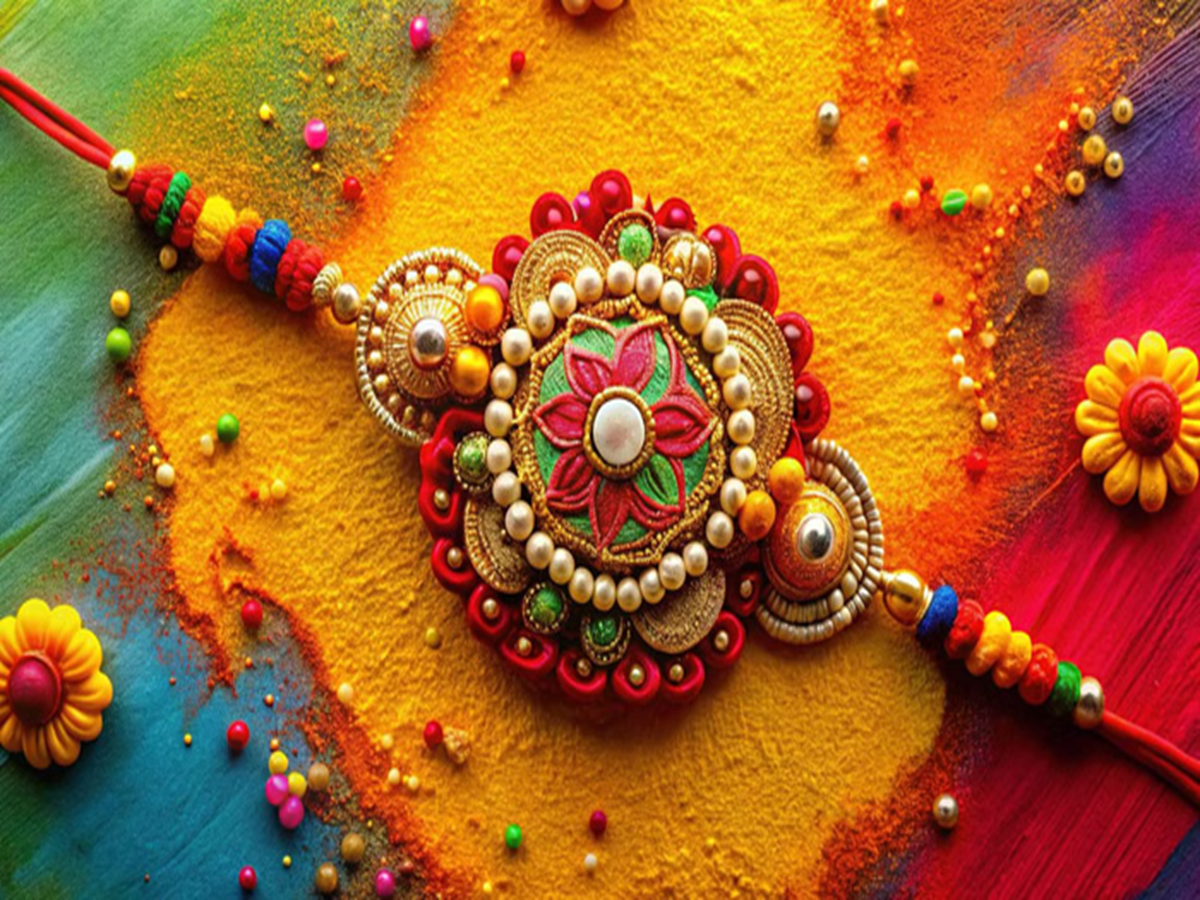
**The Correct Order for Tying *Rakhi* on Raksha Bandhan**
If there are multiple brothers in the family, it is considered a standard and respectful tradition to begin with the eldest brother. The *Rakhi* can then be tied to the younger brothers. However, according to scriptural norms, there are no mandatory rules regarding the specific seating arrangement or order of the brothers. Therefore, the most important aspect of the ritual is that it be performed with sincere devotion and the genuine affection shared between siblings.
PC Social Media