LIFESTYLE
Health Matters: Do you eat home-cooked food yet still have high cholesterol? Could you be making these mistakes?
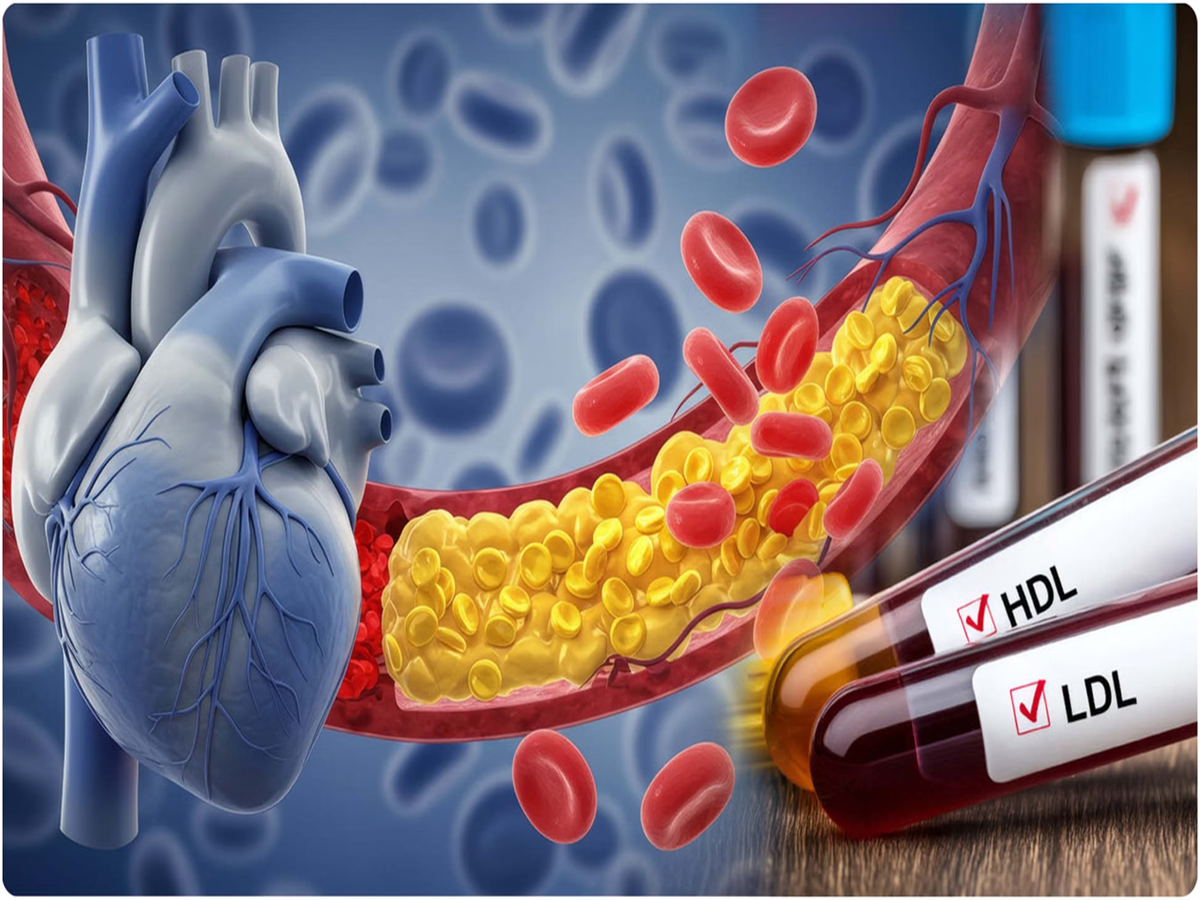
When it comes to maintaining heart health, high blood pressure and high cholesterol are considered the primary culprits. A poor diet is a major contributing factor. Studies indicate that a diet high in salt, oil, and sugar—or frequent consumption of outside food—can lead to issues with both blood pressure and cholesterol. However, some people may still show high cholesterol levels in their test reports despite eating home-cooked meals.
Health experts state that cholesterol levels are not determined solely by diet; the body produces cholesterol on its own. Factors such as low physical activity, excess weight, smoking, and genetics can also contribute to rising levels of "bad" cholesterol.
Therefore, if your reports consistently show elevated cholesterol, do not simply assume everything is fine just because you eat home-cooked food. Let us explore the factors that can silently increase the risk of high cholesterol.
Causes of High Cholesterol
Health experts note that genetics can play a significant role in cholesterol issues. If there is a family history of high cholesterol, ignoring it could have serious health consequences.
If there is a family history of early-onset heart attack, stroke, or high cholesterol, you should consult a doctor.
In such cases, controlling cholesterol through diet alone is not always possible, and many people may require regular medication as advised by a doctor.
If "bad" cholesterol levels remain consistently high despite a healthy diet, it is incorrect to blame your diet alone.
Genetic factors can also be responsible for raising cholesterol levels.
Excessive consumption of ghee and butter—even if considered healthy—can increase the risk.
Ghee and butter contain saturated fats; consuming them in large quantities can raise "bad" cholesterol levels. Frequent use of ghee and butter with meals—such as dal-roti, parathas, vegetable dishes, or breakfast items—can increase your total saturated fat intake. Therefore, simply replacing oil with ghee is not the right choice.
While ghee is good for health, keep its consumption moderate.
Include foods rich in unsaturated fats—such as nuts, seeds, and vegetable oils—in your diet.
**Harmful effects of home-cooked fried foods**
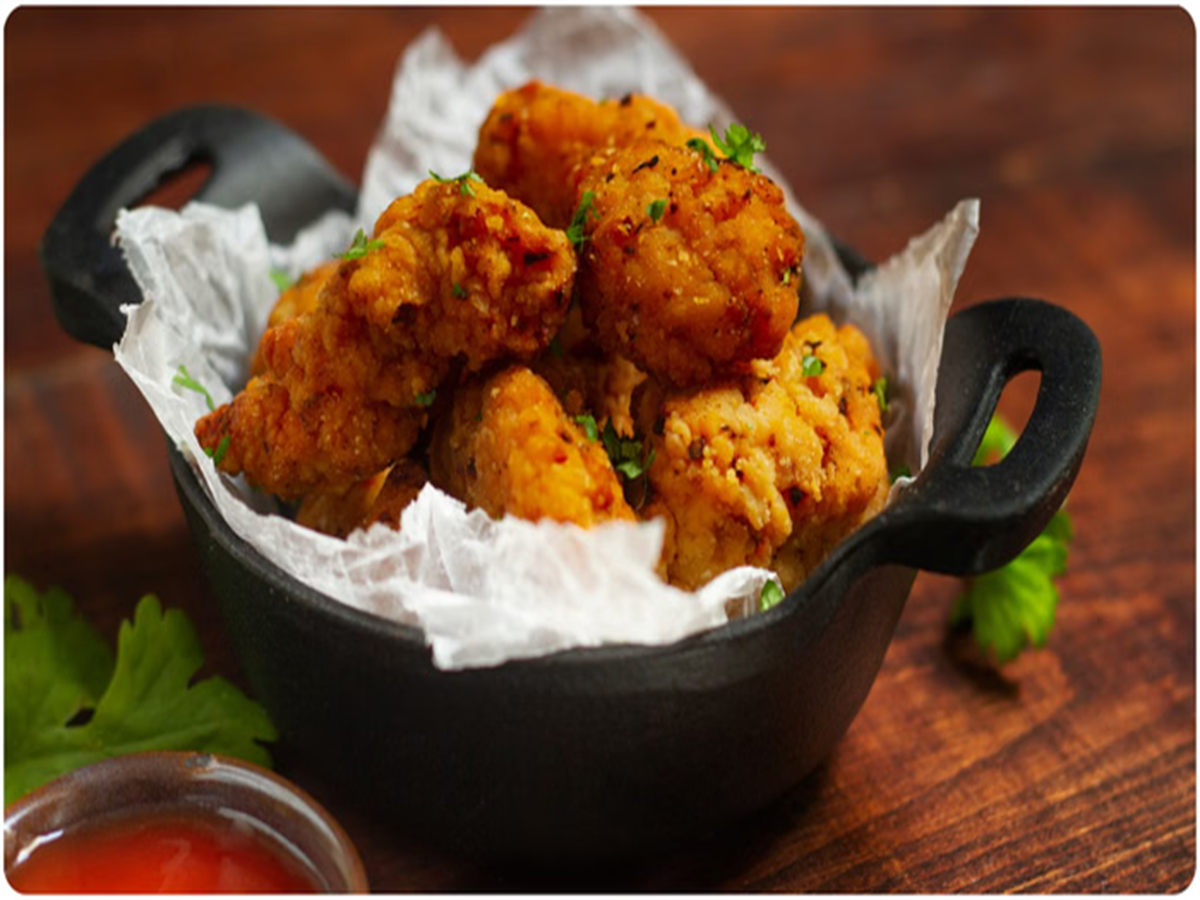
Home-cooked items like *pooris*, *pakoras*, *kachoris*, fried snacks, or vegetable dishes cooked in excessive oil can also be harmful. The issue lies not just with fast food from outside, but also with cooking methods. Foods that are deep-fried repeatedly or contain excessive oil can increase calorie and fat intake, posing a risk to heart health. If you are physically inactive, this risk increases further.
**Lack of fiber in the diet**
A diet low in whole grains, lentils, vegetables, and fruits can lead to cholesterol-related issues.
Consuming excessive amounts of *maida* (refined flour), white rice, and other refined carbohydrates—even in home-cooked meals—can disrupt your dietary balance. To control cholesterol, merely reducing oil is not enough; increasing fiber intake is also essential. Foods such as whole grains, lentils, vegetables, fruits, and oats can be beneficial for you.

**Beware if you do not exercise**
Eating home-cooked food does not eliminate the need for physical activity. Prolonged sitting, weight gain, and a lack of regular exercise can increase risks to heart health. Therefore, alongside a healthy diet, daily movement and regular exercise tailored to your capacity are crucial. A sedentary lifestyle can also contribute to elevated blood pressure and cholesterol levels.
PC Social Media