LIFESTYLE
Pitru Paksha 2026: When does Pitru Paksha begin? Know the dates, significance, and rules..
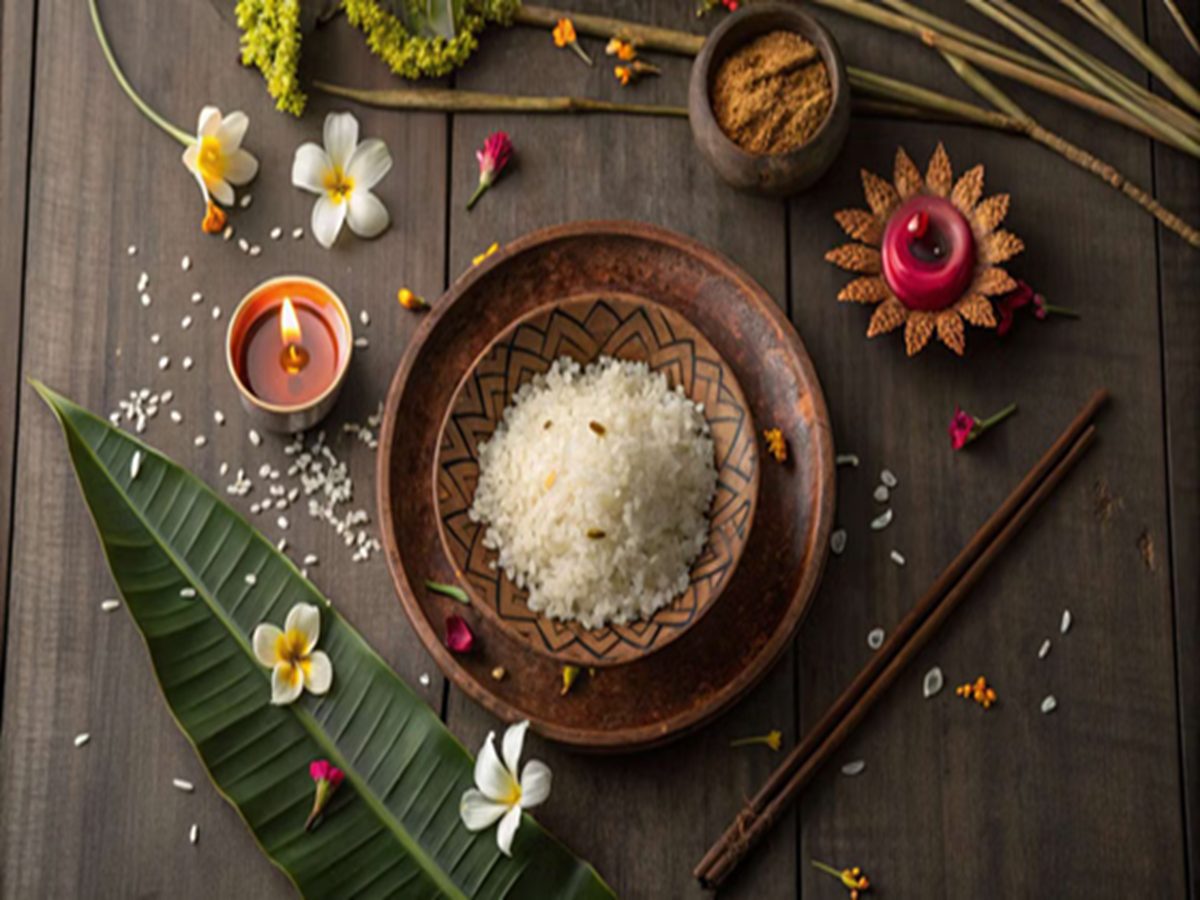
Shradh Paksh 2026: Pitru Paksha holds special religious significance in Hinduism. It is a period when people reverently remember their ancestors and perform rituals such as Shradh, Tarpan, and Pind Daan for the peace of their souls. According to religious beliefs, performing Shradh rituals correctly during Pitru Paksha invokes the blessings of ancestors and ensures happiness, peace, and prosperity within the family.
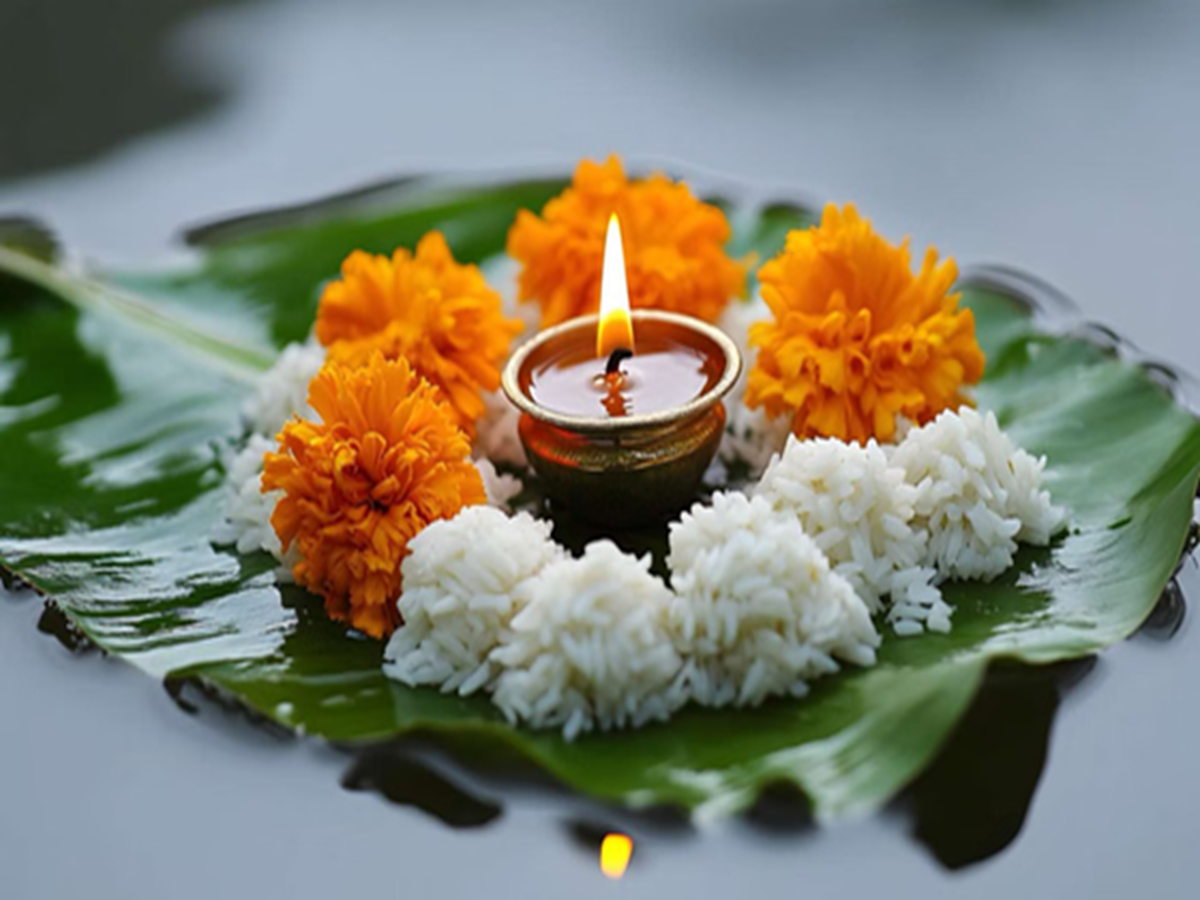
Every year, Pitru Paksha begins on Bhadrapada Purnima and concludes on Ashwin Amavasya, also known as Sarvapitra Amavasya. During this period, Shradh rituals for deceased family members are performed on specific dates. For those who do not know the exact date of their ancestors' passing, the day of Sarvapitra Amavasya is considered particularly significant. Let us find out the dates for Pitru Paksha in 2026 and the guidelines to be followed during this period.
When will Pitru Paksha take place?
According to Drik Panchang, Pitru Paksha will begin on September 26, the day of Bhadrapada Purnima. It will conclude on October 10, the day of Ashwin Amavasya.
Pitru Paksha 2026 Dates
Each date during Pitru Paksha holds its own unique significance. Generally, the Shradh ritual for an ancestor is performed on the specific lunar day (tithi) corresponding to the date of their death.
The dates for Pitru Paksha in 2026 are as follows:
September 26, Saturday – Purnima Shraddha
September 27, Sunday – Pratipada Shraddha
September 28, Monday – Dwitiya Shraddha
September 29, Tuesday – Tritiya Shraddha
September 30, Wednesday – Chaturthi Shraddha
October 1, Thursday – Panchami Shraddha
October 2, Friday – Shashthi Shraddha
October 3, Saturday – Saptami and Ashtami Shraddha
October 4, Sunday – Navami Shraddha
October 5, Monday – Dashami Shraddha
October 6, Tuesday – Ekadashi Shraddha
October 7, Wednesday – Dwadashi Shraddha
October 8, Thursday – Trayodashi Shraddha
October 9, Friday – Chaturdashi Shraddha
October 10, Saturday – Sarvapitri Amavasya
Why are Saptami and Ashtami Shraddha observed on October 3?
According to the *Panchang* (Hindu almanac), the *Saptami Tithi* (seventh lunar day) continues until 7:59 AM on October 3. Following this, the *Ashtami Tithi* (eighth lunar day) begins and concludes at 5:51 AM on the next day, October 4. Consequently, Shraddha rituals for both *Saptami* and *Ashtami* are observed on October 3. Subsequently, *Navami Shraddha* is performed on October 4. The final day of Pitru Paksha, October 10, is *Sarvapitri Amavasya*. This day is considered significant for ancestors whose specific date of death is unknown or whose Shraddha could not be performed on the designated date for some reason.
Rules for performing Shraddha according to the date during the Shraddha period
Shraddha is performed on the same lunar date during Pitru Paksha as the date on which the family member passed away.
For instance, if someone passed away on *Panchami Tithi*, their Shraddha should be performed on *Panchami* during Pitru Paksha.
If the date of an ancestor's death is unknown, Shraddha and *Pind Daan* can be performed on *Sarvapitri Amavasya*.

There is a tradition of performing Shraddha, *Tarpan*, and *Pind Daan* for ancestors during Pitru Paksha.
It is a religious belief that performing Shraddha with devotion and reverence brings the blessings of the ancestors. It is believed that the blessings of ancestors ensure happiness, peace, prosperity, and well-being within the family.
Performing acts of charity and feeding the needy during the *Shraddh* rituals is also considered auspicious.
PC Social Media