Parenting Tips: In today's world, parents and schools are primarily concerned with their children's academic performance, focusing on good grades, top ranks, and a better career. But can bookish knowledge alone make children successful in life? The truth is, in this changing world, emotional education is far more important than academic studies. Children who are emotionally strong not only perform better academically but also face life's challenges with confidence.

Emotional education means teaching children to understand their emotions, express them appropriately, and respect the feelings of others. Anger, fear, sadness, happiness, or frustration – all these emotions are natural, but learning to manage them is crucial. If a child learns from a young age how to express their feelings and remain calm in difficult situations, they become much stronger mentally.
Benefits of Providing Emotional Education
1. Increased Confidence and Self-Esteem
Emotionally educated children understand themselves better. They are aware of their strengths and weaknesses, which boosts their confidence. Such children focus on improving themselves rather than comparing themselves to others.
2. Ability to Cope with Stress and Pressure
Nowadays, children face a lot of pressure from studies, competition, and social media. Emotional education teaches children how to cope with stress instead of panicking. This also reduces the risk of problems like anxiety and depression.
3. Improved Relationships
Children who understand their own emotions can also understand the emotions of others. This strengthens friendships, family relationships, and school relationships. Such children understand the importance of teamwork, empathy, and cooperation.
4. Enhanced Decision-Making Skills
Emotionally strong children do not make hasty decisions. They can differentiate between right and wrong and take responsibility for their decisions. This quality helps them choose the right path in life later on.
5. Role of Parents and Teachers
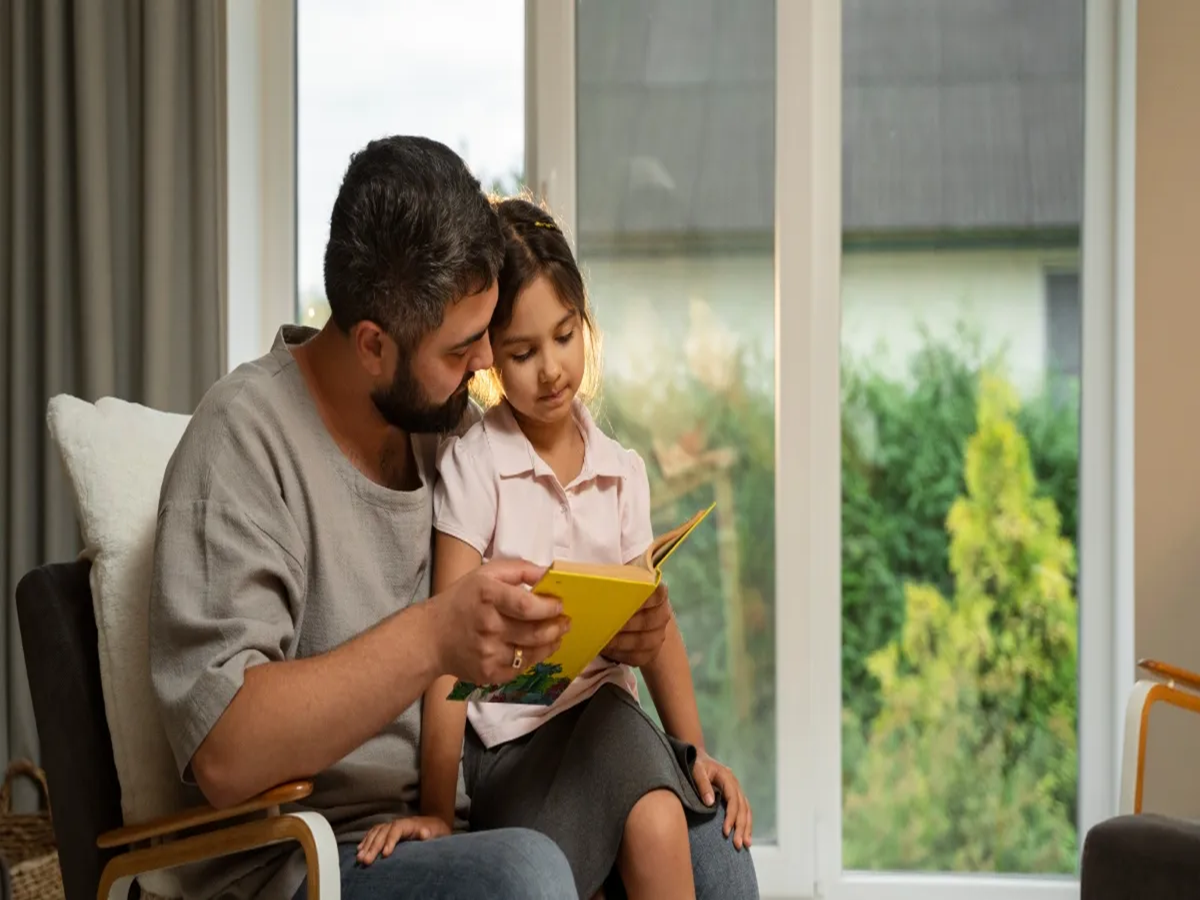
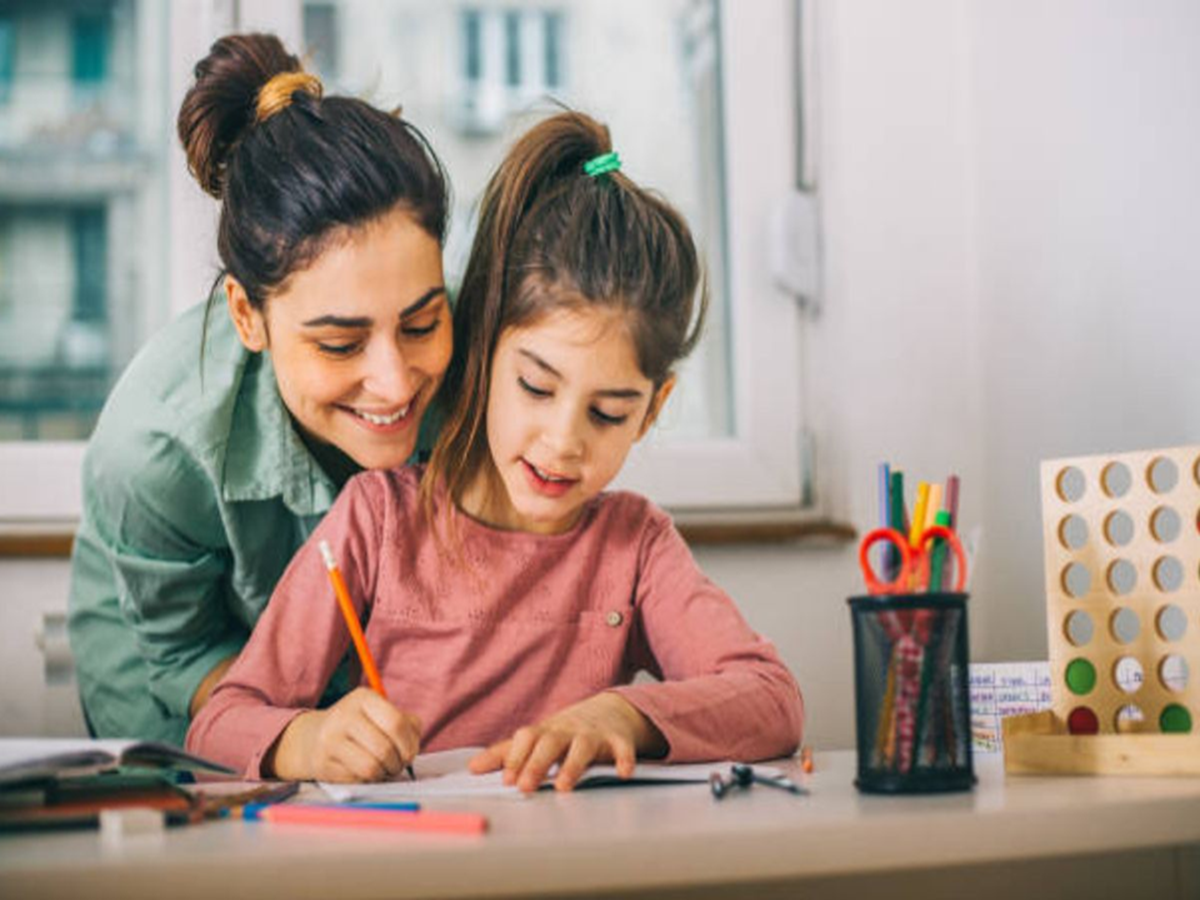
Emotional education doesn't come solely from school books. It is crucial for parents to talk openly with their children, not to ignore their feelings, and to truly listen to them. Schools should also provide children with opportunities to discuss their emotions, ask questions, and express themselves.
Good grades may help children get jobs, but emotional education teaches them how to live life. If we want our children to grow into happy, independent, and resilient individuals, we must give emotional education the same importance as academic learning.
PC Social Media