Parenting
Parenting: Is it right to scold a child for every mistake? Learn about these 4 effects of constant scolding..

Major Effects of Scolding Kids: Have you started scolding your child over every little thing? While correcting a child's mistakes and guiding them onto the right path is an essential part of parenting, is scolding them for every minor or major error the right approach? Like many parents, you might scold your child repeatedly to maintain discipline, believing it is for their own good. However, experts state that constant scolding and reprimanding can negatively impact a child's behavior and emotional development. It is crucial to understand the profound effect this frequent scolding has on a child.
**Decline in Self-Confidence**
When a child is scolded for every little thing, they gradually begin to believe that they cannot do anything right. Consequently, they start viewing themselves as incompetent, which directly affects their self-confidence. Children subjected to such constant behavior become afraid to try new tasks or face challenges. They fear the prospect of being scolded again if they make a mistake more than they fear failure itself. Therefore, as a parent, it is important to acknowledge your child's efforts alongside pointing out their mistakes.
**Increased Stress**
A child who is constantly scolded develops a deep-seated fear. They are perpetually anxious about making a mistake. This fear gradually turns into stress, which begins to manifest in the child's behavior. They may become irritable, timid, or excessively quiet—traits that can hinder their overall development.
**Widening Emotional Distance**
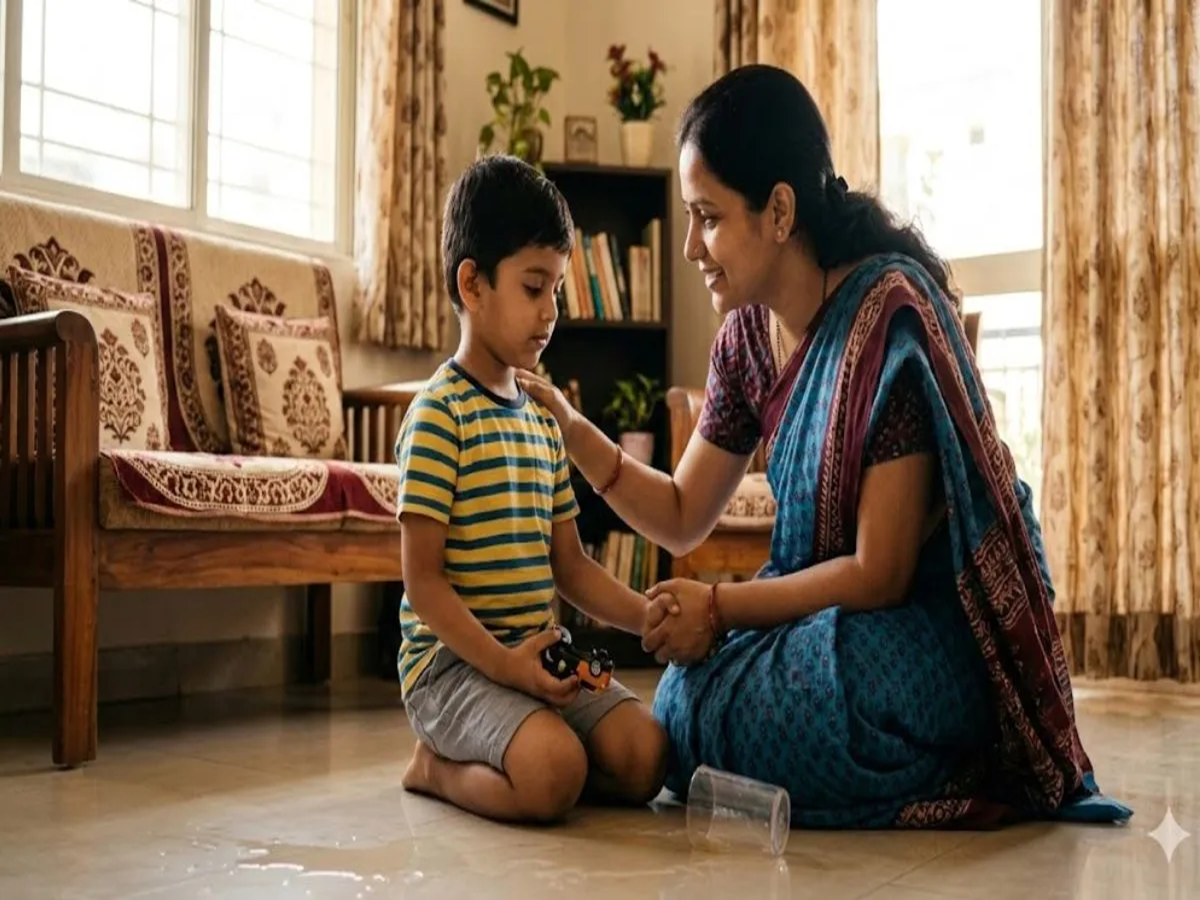
If your child has started avoiding sharing things with you, constant scolding and reprimanding could be one of the reasons. When a child repeatedly feels that their mistakes are being highlighted rather than their perspective being understood, they may gradually stop sharing their thoughts and feelings. This can erode the trust between parent and child. A child needs to feel confident that they can talk to their parents, even when they have made a mistake.
**Behavior May Become Aggressive**
Experts note that children learn a great deal by observing those around them. If problems at home are frequently resolved through anger, raised voices, or scolding, the child comes to view such behavior as normal. Later, they may express their frustration towards friends, siblings, or other children through anger and harsh behavior. Therefore, a parent's own conduct is crucial when teaching discipline.
**Explain Instead of Scolding**
Experts advise that while teaching discipline is essential, scolding a child for every mistake is not the right approach. Instead, remain calm when addressing a mistake; explain the consequences of the behavior and suggest better alternatives. Love, patience, and open communication help the child learn better behavior. At the same time, this fosters self-confidence and strengthens the bond between parent and child.
PC Social Media