Parenting
Parenting: Discover the Importance of 'Slow Parenting'! Otherwise, children Will Turn into Robots, Not Human Beings..

Benefits of Slow Parenting: School in the morning, tutoring in the afternoon, and some extracurricular class—such as guitar, karate, or coding—in the evening. Parents often feel that if a child sits idle for even a single moment, they will fall behind. But have you ever considered the impact this "tight schedule" has on a child's mental development? This is precisely where the concept of "Slow Parenting" emerges—a pressing necessity in today's world.
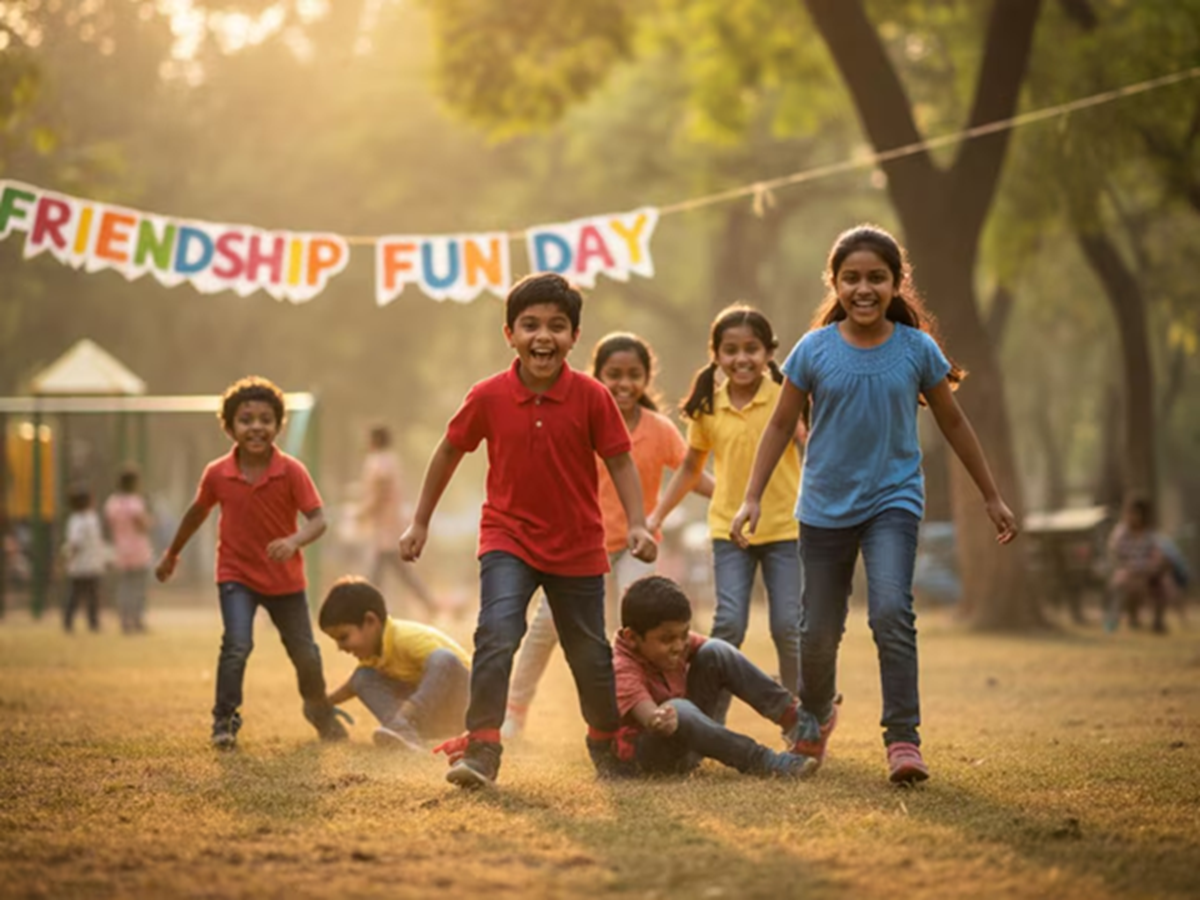
Benefits of Slow Parenting: Slow Parenting does not imply making your child lazy or refraining from teaching them anything. It simply means allowing the child to live life at their own pace. Rather than keeping them constantly occupied with one activity or another, it involves granting them some unstructured free time. It is a philosophy that asserts that a child's childhood should be driven not by calendar dates and clock hands, but by their own preferences and personal discoveries.
Often, when a child says, "Mom, I'm bored," we panic. We feel compelled to immediately hand them a toy or turn on the television. However, psychologists believe that a child's experience of "boredom" is, in fact, a boon for their well-being and cognitive development. It is precisely when a child is bored that their mind begins to explore new pathways. To keep themselves occupied, they engage their imagination, weave new stories, and attempt to create something novel using ordinary household objects.
Boredom is, in essence, the mother of creativity. When you allow a child to experience boredom, they cultivate "self-reliance"—the ability to depend on themselves. They come to realize that they do not always require a gadget or an external class to find happiness. During these moments of free time, they might chase butterflies, play in the dirt, or simply lie on the terrace gazing at the shapes of the clouds. These are the very moments when their imagination functions at its most vibrant and powerful.
Children today are falling victim to "burnout." Signs of stress and anxiety are becoming apparent in them as early as age 8 or 10. The root cause of this is the constant pressure to "perform"—whether it involves topping their class, excelling in tutoring sessions, or winning medals in sports. "Slow Parenting" helps alleviate this pressure. It teaches a child that achievement isn't solely about "doing something," but that "just being"—simply existing—is equally important and beautiful.
We must understand that every child is unique. While one child might enjoy painting, another might simply prefer sitting quietly. Forced classes can stifle a child's natural talents. Slow Parenting offers us the opportunity to pause and observe where our child's true inclinations lie. When a child chooses an activity of their own free will, they find greater joy in it and achieve better results.
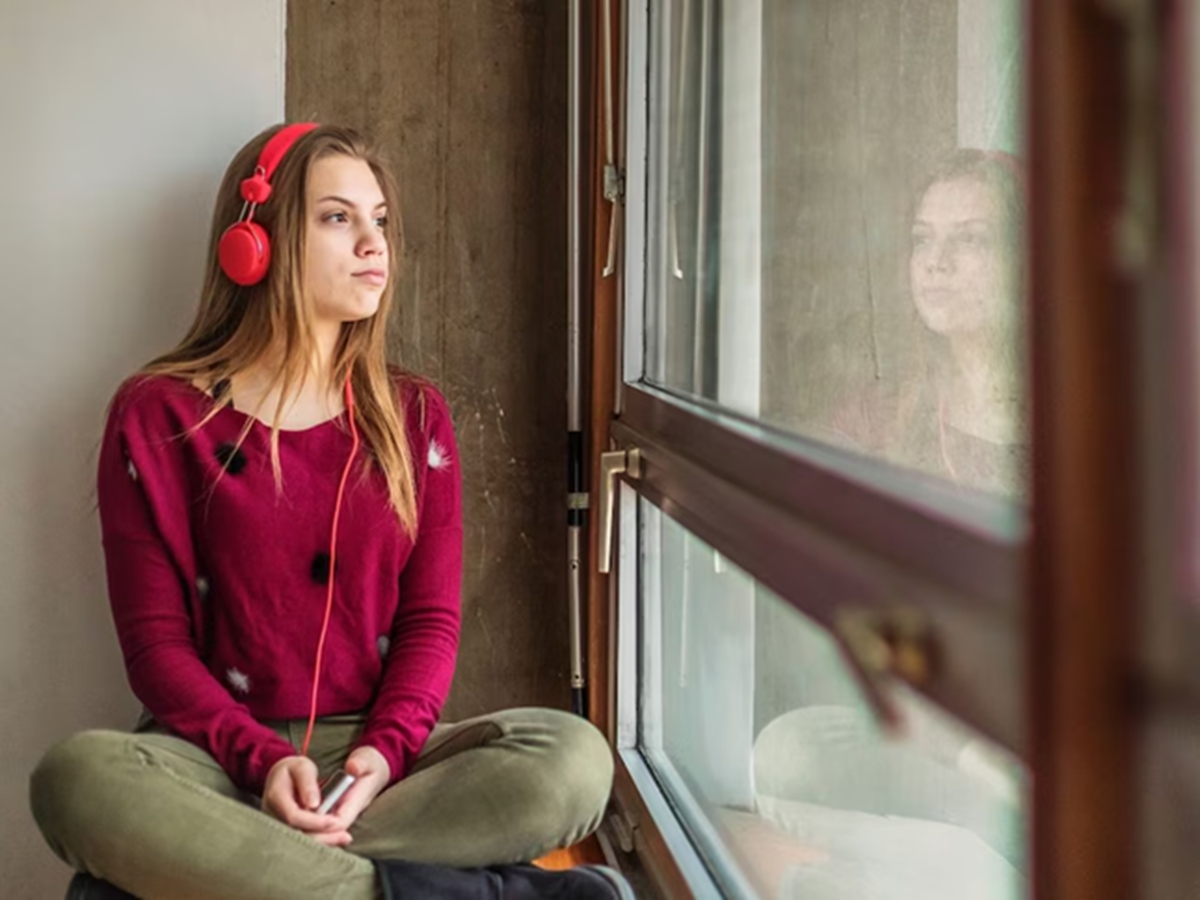
Finally, remember that childhood comes but once. In our quest to mold our children into "perfect" beings, we risk robbing them of that golden phase of life—the very memories they will cherish in the years to come. Therefore, the next time your child complains of being bored, do not be alarmed. Instead, offer them a smile and say, "That’s wonderful! Now, go see what new things you can come up with on your own!"
PC Social Media