
Business
New Rules: 8 financial rules to change from October; will directly impact your pocket—from ATMs to FDs..
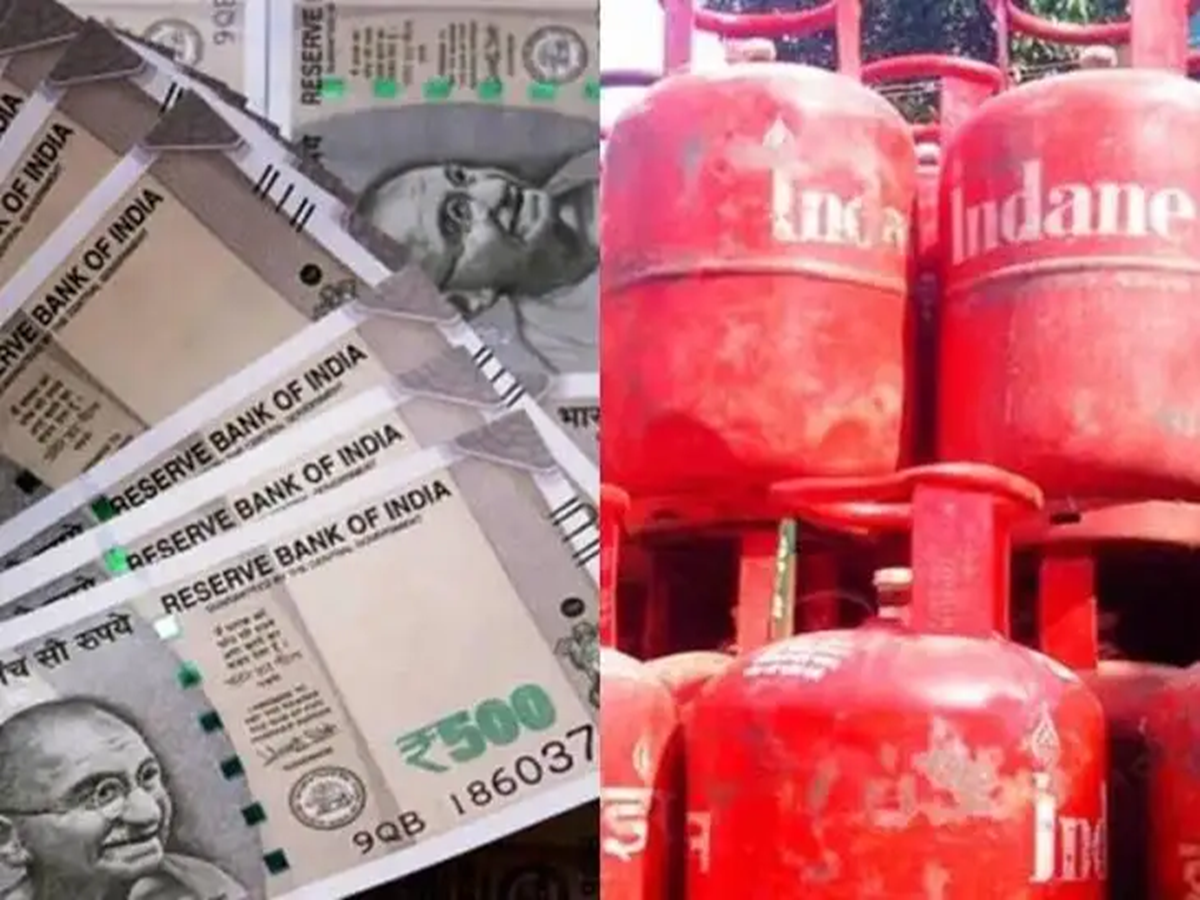
October 2026 will witness several significant changes affecting the finances of the general public. Updates regarding banking regulations, Fixed Deposits (FDs), small savings schemes, LPG, UPI, and income tax are expected this month. Additionally, prices of items such as cars, ACs, TVs, refrigerators, and washing machines could be impacted during the festive season. Therefore, if you invest, use banking services, or plan to make major purchases soon, it is important to keep an eye on these changes.

**New Interest Rates for Small Savings Schemes**
Interest rates for small savings schemes—such as PPF, NSC, Sukanya Samriddhi Yojana, Senior Citizen Savings Scheme, and Post Office deposits—will be reviewed for the October-December quarter. The government typically announces these rates on a quarterly basis. No changes were made to the interest rates of these schemes for the July-September quarter. Once the new rates are announced, savers will be able to decide where best to invest their money based on the prevailing rates.
**Decision on Repo Rate at RBI Meeting**
The Reserve Bank of India's Monetary Policy Committee is scheduled to meet between October 5 and October 7. A decision regarding the repo rate will be announced on October 7. Currently, the repo rate stands at 5.25%. Any change in this rate could eventually impact interest rates on loans and FDs. While SBI Research has projected a hike of 0.25%, the final decision rests with the RBI.
**Higher Costs for Withdrawing Cash from SBI ATMs**
Rules regarding the use of other banks' ATMs will change from October 1 for certain SBI 'Salary Package Account' customers. Such customers will now be entitled to 5 free transactions per month at ATMs or ADWMs (Automated Deposit and Withdrawal Machines) of other banks, down from the previous limit of 10. Once the free limit is exhausted, charges of ₹23 plus GST for financial transactions and ₹11 plus GST for non-financial transactions will apply. Therefore, those who frequently use ATMs belonging to other banks need to be aware of this change.
**Changes to FD rules starting October 1**
RBI's revised rules regarding Fixed Deposit (FD) funds will come into effect on October 1, 2026. A key change applies to bulk deposits of ₹3 crore or more. Banks will have greater flexibility in determining interest rates for such large deposits and must clearly disclose the applicable rates. However, this does not mean that the interest rates for the FDs of every ordinary customer will change from October 1; banks will continue to set retail FD rates based on their own requirements.
**Cash withdrawal rules for BSBD account holders**
For SBI's Basic Savings Bank Deposit (BSBD) accounts, the first four cash withdrawals in a month will remain free. Beyond this, a charge of ₹15 plus GST will apply to each additional cash withdrawal. This calculation includes cash withdrawals made via the Aadhaar Enabled Payment System (AePS). However, this fee will not apply to digital transactions. Consequently, customers who frequently need to withdraw cash should keep the monthly free withdrawal limit in mind.
**Rules regarding LPG, UPI, and property purchases by NRIs**
Aadhaar-based biometric authentication will be mandatory for subsidized domestic LPG cylinders starting October 1. This process can be completed at the time of delivery, at the gas agency, or via the respective company's app. Meanwhile, a new Merchant Discount Rate (MDR) structure will apply to certain UPI merchant transactions exceeding ₹2,000, though the MDR will not be charged to the customer. Those purchasing property from NRIs will not require a separate Tax Deduction and Collection Account Number (TAN); the Permanent Account Number (PAN) can be used for this process.
**ITR deadline and important customer information**
For taxpayers falling under the purview of tax audits, the deadline for filing the Income Tax Return (ITR) is October 31, 2026. Since this deadline does not apply to every taxpayer, it is essential to verify the specific date based on your tax status. On the other hand, for online shopping, customers should have access to information regarding product return and refund policies, warranties, delivery details, and key dates. In the case of imported goods, details about the importer and the country of origin must also be provided.
Buying cars and electronics during the festive season could become costlier.
Purchasing cars and electronic goods during the festive season may put a strain on consumers' pockets. Maruti Suzuki, Tata Motors, and Hyundai have raised the prices of certain models. Meanwhile, air conditioner prices are expected to rise by approximately 5–8%, while items such as LED TVs, refrigerators, and washing machines could see price hikes of up to 3–4%. Company costs are being impacted by fluctuations in the prices of copper, aluminum, steel, and crude oil, as well as changes in freight charges and currency exchange rates.
PC Social Media