
How Rainwater Affects Hair: With the arrival of the monsoon season, getting drenched in the rain brings a unique joy. While many welcome the first rain under the open sky, others avoid it for fear of damaging their hair. You may have often heard that rainwater causes hair loss, that one must wash their hair after the first rain, or that rainwater harms the scalp. But are these claims true, or are they merely long-standing myths?
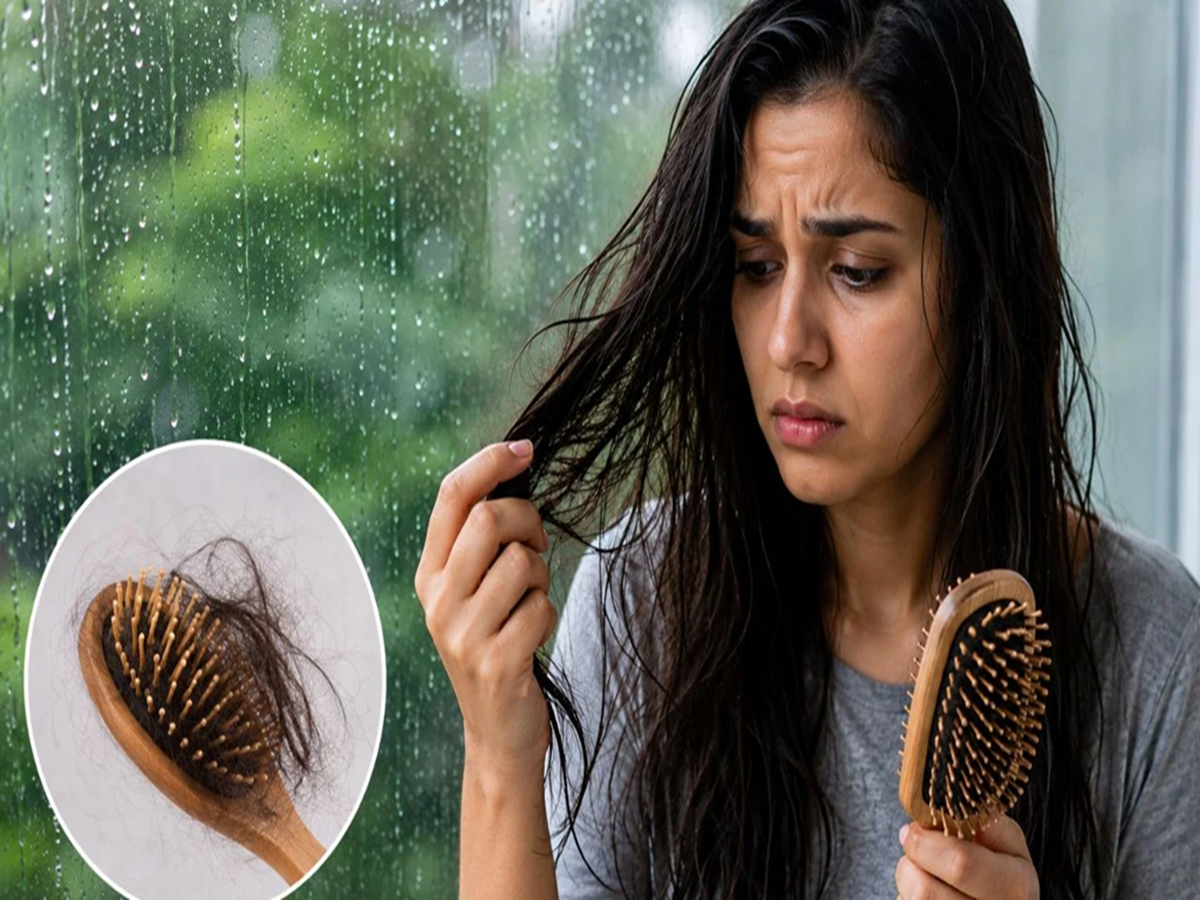
In reality, there are many prevailing myths about rainwater. Some consider it entirely harmful, while others argue that natural rainwater is beneficial for hair. The truth lies somewhere in between. The impact on your hair depends not just on the rainwater itself, but also on air pollution, the condition of your scalp, your hair care habits, and the routine you follow after getting wet.
If you want to know what to do after getting drenched in the rain—and distinguish between myths and scientifically backed facts—then this article is for you.
Myth 1: Hair starts falling out as soon as it comes into contact with rainwater.
Fact
Rainwater alone is not considered a direct cause of hair loss.
Factors such as stress, nutritional deficiencies, hormonal changes, genetics, and certain medical conditions can also be responsible for hair loss.
The problem can worsen if the scalp remains wet for an extended period or is not kept clean.
Myth 2: The water from the first rain causes the most damage.
Fact
After a long dry spell, the initial rain can bring down dust and pollutants from the atmosphere.
Therefore, avoiding prolonged exposure to the first rain can be a sensible precaution.
However, not every "first rain" is the same; it depends on local pollution levels and weather conditions.
Myth 3 - There is no need to wash hair after getting wet in the rain
Fact
If you have been exposed to rain in a polluted environment, washing your hair with a mild shampoo or just clean water can be beneficial.
This helps remove dust, dirt, and other particles.
However, frequent use of excessive shampoo can make hair dry.
Myth 4 - Rainwater always makes hair dry
Fact
This does not happen to everyone.
Dryness depends on the hair's existing condition, the hair products used, and how the hair is cared for after the rain.
A mild conditioner or serum can be used if necessary.
Myth 5 - It is safe to tie up wet hair
Fact
Keeping wet hair tied up for a long time can trap moisture on the scalp.
This can increase the risk of itching, unpleasant odor, or fungal infections.
It is better to dry your hair thoroughly first.
How to care for hair after getting wet in the rain?
Wash your hair with clean water as soon as you get home.
Pat dry gently with a towel; do not rub vigorously.
If using a hair dryer, keep the temperature low.
Avoid combing wet hair forcefully.
Do not let the scalp remain wet for an extended period.
Deep condition your hair weekly as needed.
What to do to keep hair healthy during the monsoon?
Maintain a balanced diet.
Drink plenty of water.
Clean your scalp regularly.
Do not share your comb or towel.
Avoid using excessive hair products.
Let your hair air out after wearing a helmet or cap.
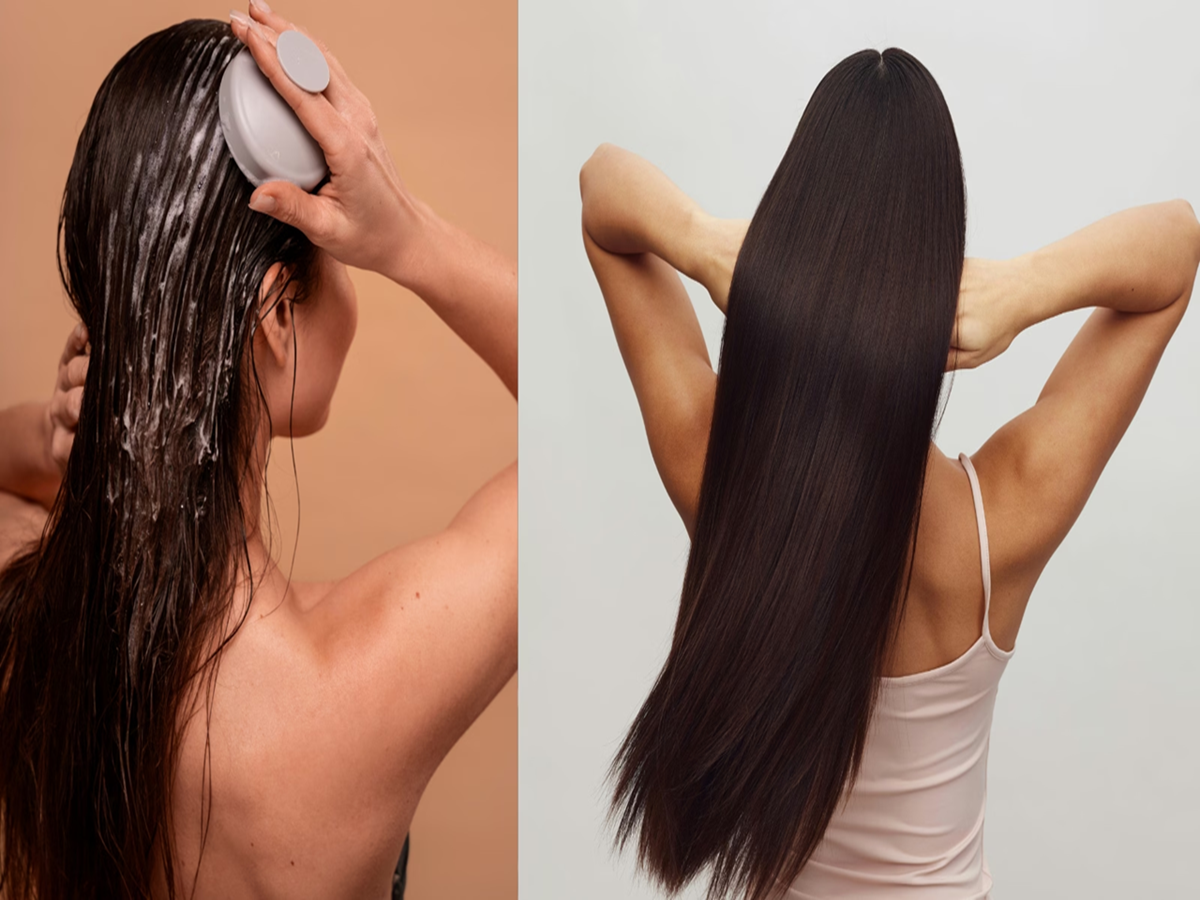
Who needs to take extra precautions?
Those with an oily scalp.
Those who already have dandruff.
Those with a sensitive scalp. People who frequently experience fungal infections.
Those whose hair has undergone chemical treatments (coloring, smoothing, etc.).