
LIFESTYLE
Benefits of eating Ragi: From strengthening bones to weight management—find out why you should include Ragi in your diet..
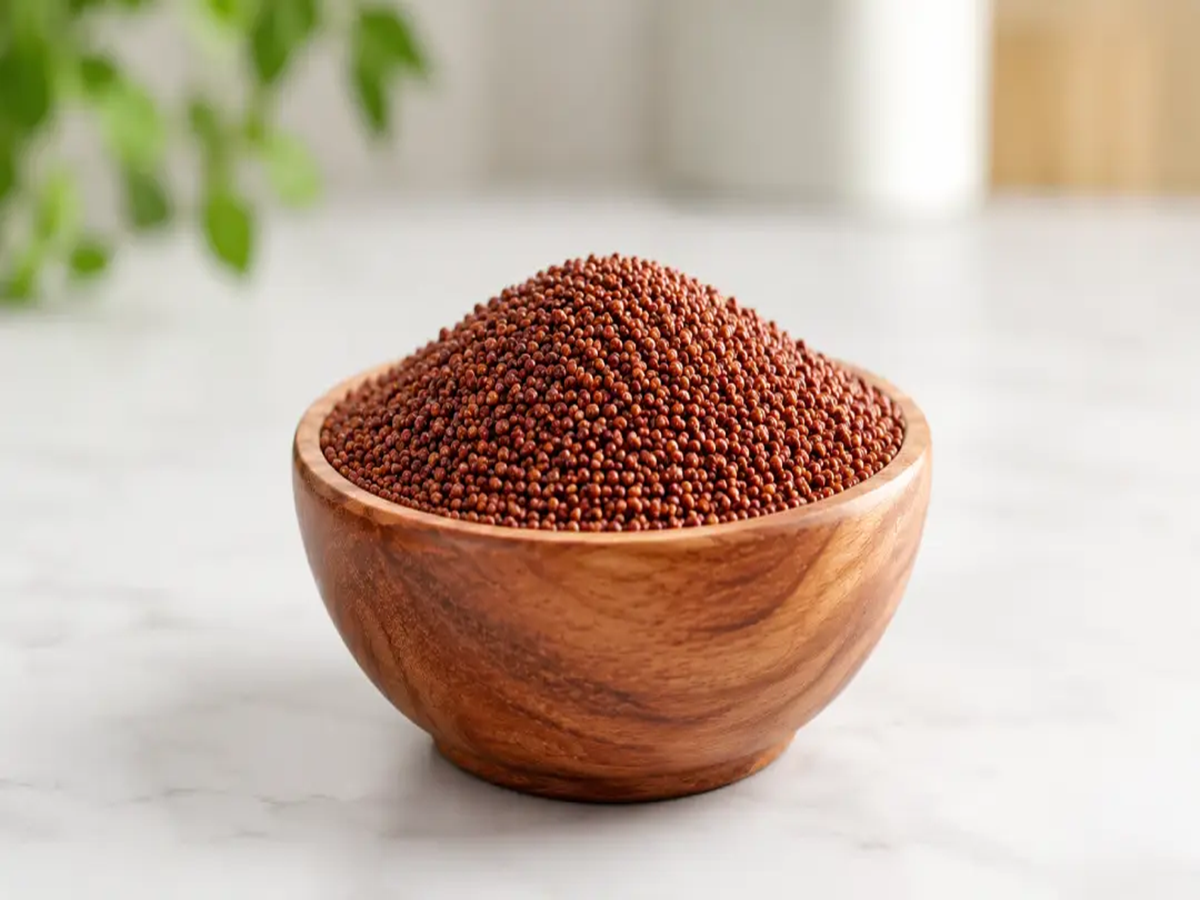
Health Benefits of Ragi Flour: Nowadays, people have become increasingly conscious of their diets. Consequently, traditional grains and millets are once again becoming a part of people's nutritional routines. One such grain is Ragi, also known as Nachni or finger millet. Ragi flour is considered rich in various nutrients. Notably, it can be easily incorporated into one's daily diet.
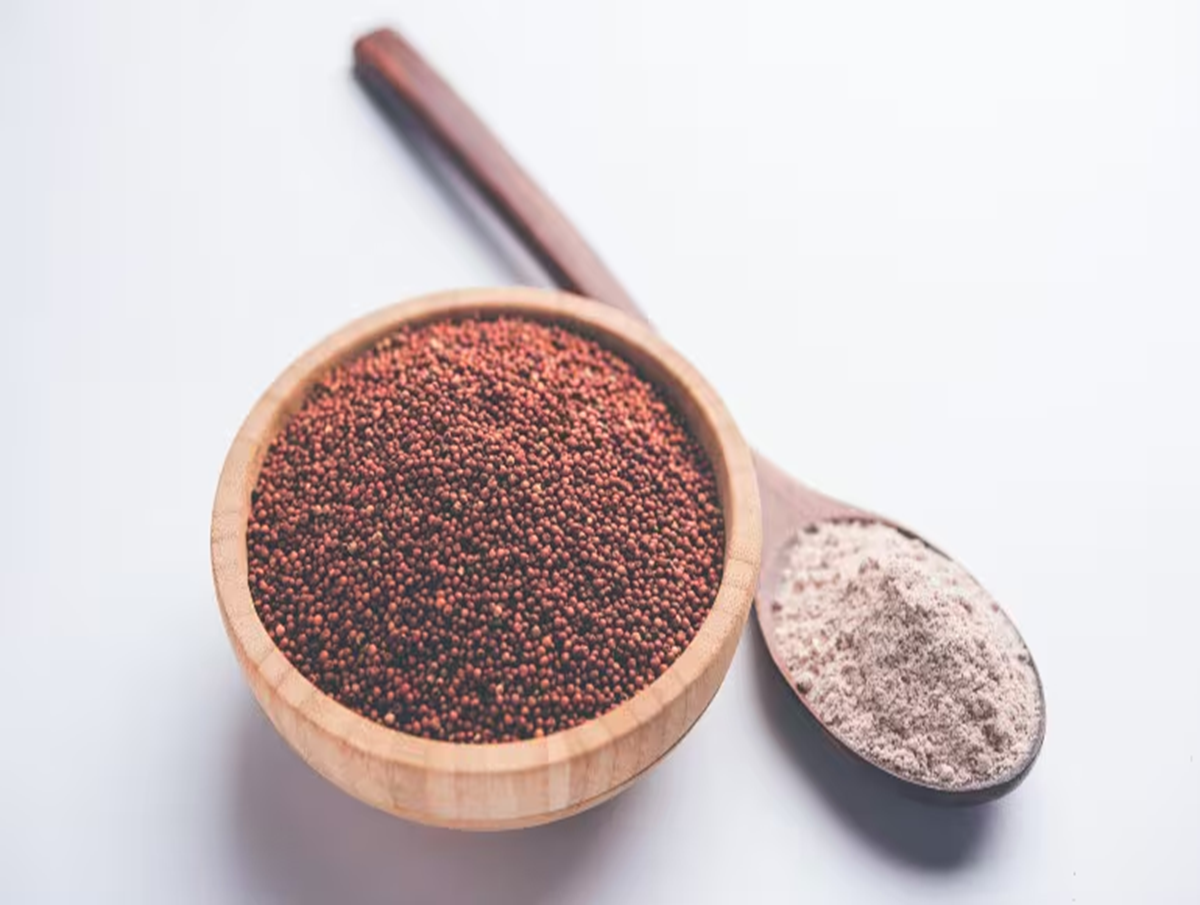
However, as with any food item, Ragi should be consumed in balanced quantities and according to individual needs. In this article, we will explore why Ragi flour is considered beneficial for health, the advantages of including it in your diet, and the best ways to consume it.
Benefits of Consuming Ragi Flour
Ragi is classified as a nutrient-rich millet. It contains several essential nutrients, including fiber, protein, and calcium. It can be consumed as part of a balanced diet.
1. Beneficial for Bones
Ragi is considered a good source of calcium. Calcium is an essential nutrient for bone and dental health. Therefore, including Ragi in a balanced diet can be beneficial for bone health.
2. Aids Digestion
Ragi contains dietary fiber. A diet rich in fiber helps maintain a healthy digestive system and prevents issues like constipation.
3. Helps with Weight Management
The fiber present in Ragi helps keep the stomach feeling full for longer periods, which can reduce the urge to snack frequently. However, for weight loss, it is important to focus on one's overall diet and physical activity rather than relying solely on Ragi.
4. Relevance to Blood Sugar Levels
Ragi contains fiber and is included by many in their balanced diets. However, individuals with diabetes should consult a doctor or dietitian regarding the appropriate quantity and the form in which it should be consumed.
5. Gluten-free option
Ragi is a naturally gluten-free grain. It can be a beneficial choice for individuals with gluten-related medical conditions; however, it is important to check the label when purchasing packaged ragi flour to avoid cross-contamination.
How to include ragi in your diet?
Ragi flour can be used to make *roti*, *chilla*, *dosa*, *idli*, porridge, and various snacks. It can also be consumed with milk or yogurt. It is best to include ragi as part of a balanced diet rather than relying on it as a sole food source.
While ragi is certainly a nutritious option, excessive consumption is not necessary. It is advisable to consult an expert if you have specific medical conditions or dietary requirements.
PC Social Media