Arbi Bhujia Recipe: In many households, the mere mention of *Arbi* (colocasia/taro root) makes people grimace. The reason is often not its taste, but the sticky texture it acquires after cooking. If not cooked correctly, *Arbi* can feel slimy, spoiling the dining experience; however, with a little preparation and the right spices, this humble vegetable can become incredibly delicious.
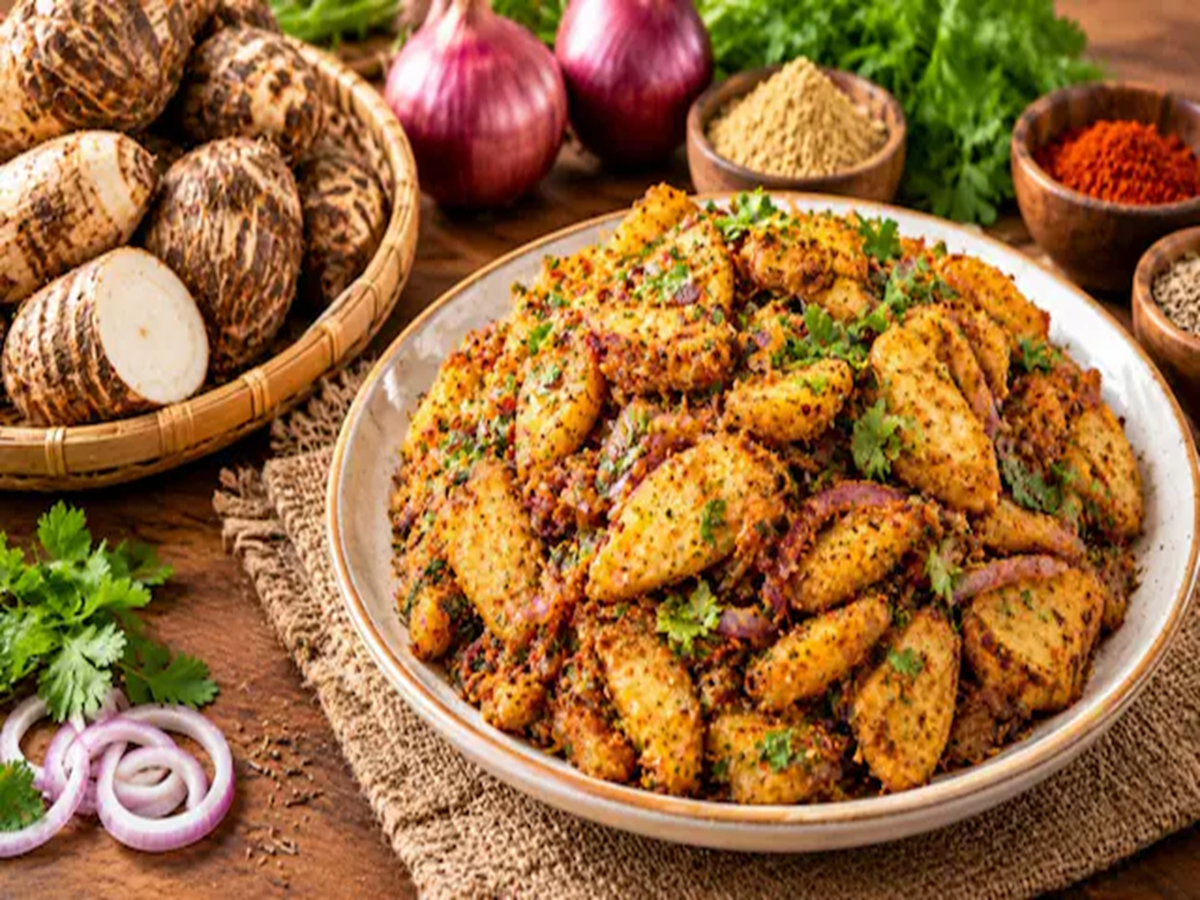
It tastes especially good with *roti* or rice when infused with the mild sweetness of onions, the aroma of carom seeds (*ajwain*), and the tanginess of dry mango powder (*amchur*). If you are looking for a change from your daily *dal-sabzi* routine, crispy *Arbi Bhujia* with onions is a great, easy option. Let’s look at the simple recipe.
**Ingredients for Arbi Bhujia**
For this *bhujia*, you will need 250g of *Arbi*, two large onions, two tablespoons of mustard oil, one teaspoon of carom seeds (*ajwain*), a quarter teaspoon of asafoetida (*hing*), half a teaspoon of turmeric powder, and one teaspoon of coriander powder. For flavor, keep half a teaspoon of Kashmiri red chili powder, half a teaspoon of dry mango powder (*amchur*), a quarter teaspoon of *garam masala*, and salt ready. You will also need two finely chopped green chilies, one teaspoon of grated ginger, and some fresh coriander leaves. You can slice the onions finely or cut them into long, thin strips; long slices work well in this *bhujia* and allow the *Arbi* to roast evenly alongside them.
**Preparing the Arbi**
First, wash the *Arbi* thoroughly to remove any dirt clinging to it. Place it in a pressure cooker with a glass of water and a little salt, and cook for just one whistle. Avoid overboiling the *Arbi*, as it can become too soft and break apart if overcooked. Once the steam has escaped, remove the *Arbi* from the cooker and let it cool down completely. Once cooled, peel the *arbi* (colocasia/taro root). Lightly grease your hands with oil and slice the *arbi* into rounds or thin, long strips. Add a little dry mango powder (*amchur*) or lemon juice and a pinch of salt to the pieces, then let them sit for about 5 minutes; this makes roasting easier and adds a subtle tanginess.
**Onions and spices create the authentic flavor**
Heat mustard oil in a pan. Once hot, lower the heat slightly and add carom seeds (*ajwain*), asafoetida (*hing*), green chilies, and ginger. When the carom seeds begin to crackle, add the onions (chopped finely or sliced lengthwise). Sauté the onions over medium heat until they soften and turn light golden. Next, add the prepared *arbi* and sauté it with the onions over medium heat for a few minutes. Avoid covering the pan during this stage; cooking uncovered helps the exterior of the *arbi* crisp up properly. Stir gently occasionally to ensure the pieces do not break.
**Tips for achieving crispiness**
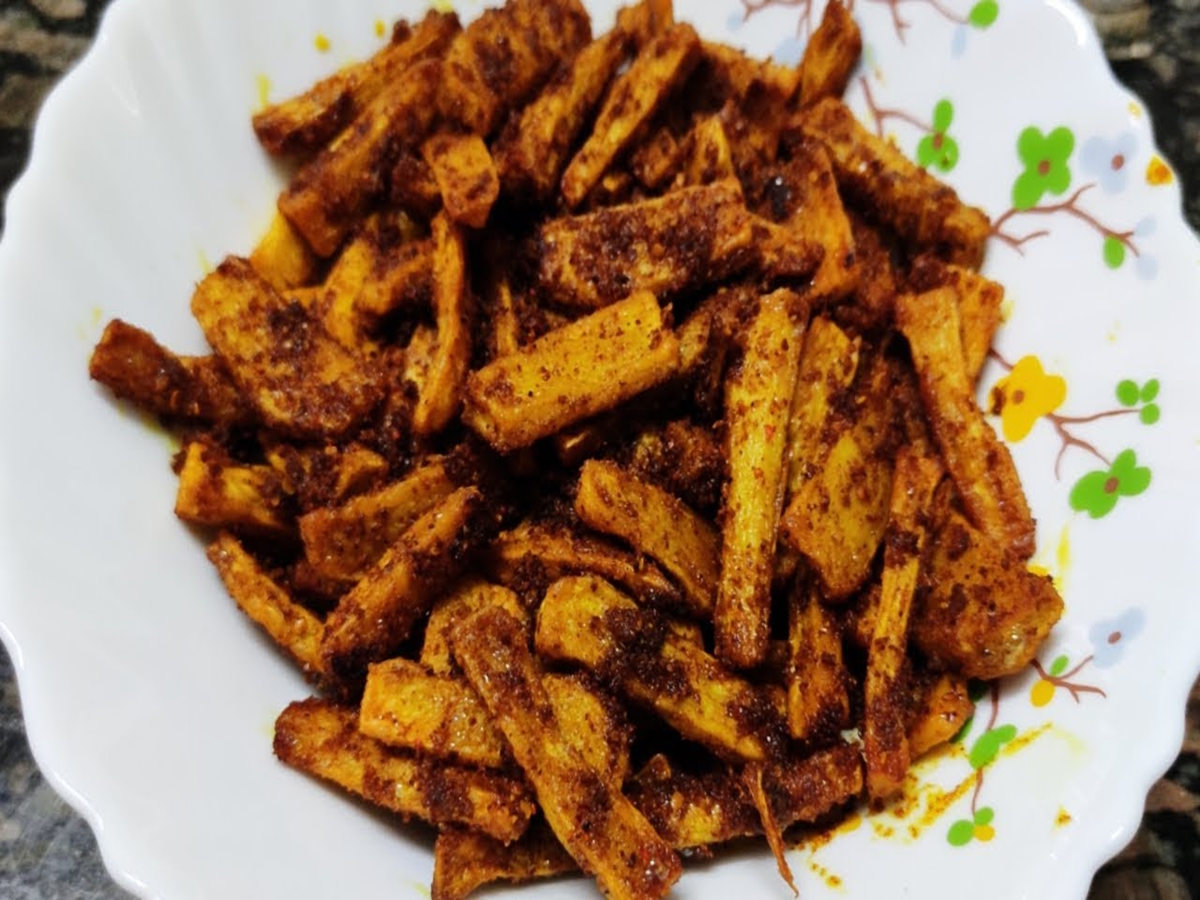
When the *arbi* starts looking light golden, add turmeric powder, coriander powder, Kashmiri red chili powder, and salt to taste. Mix the spices well and continue roasting the *arbi* over low-to-medium heat. It is better to roast it slowly rather than rushing the process. Once the edges of the *arbi* become crispy and the color turns golden, sprinkle *amchur* powder and *garam masala* over it. Mix well, cook for about a minute, and then turn off the heat. Finally, garnish the *bhujia* with fresh coriander leaves.
**Serve with *roti* or *dal-chawal***
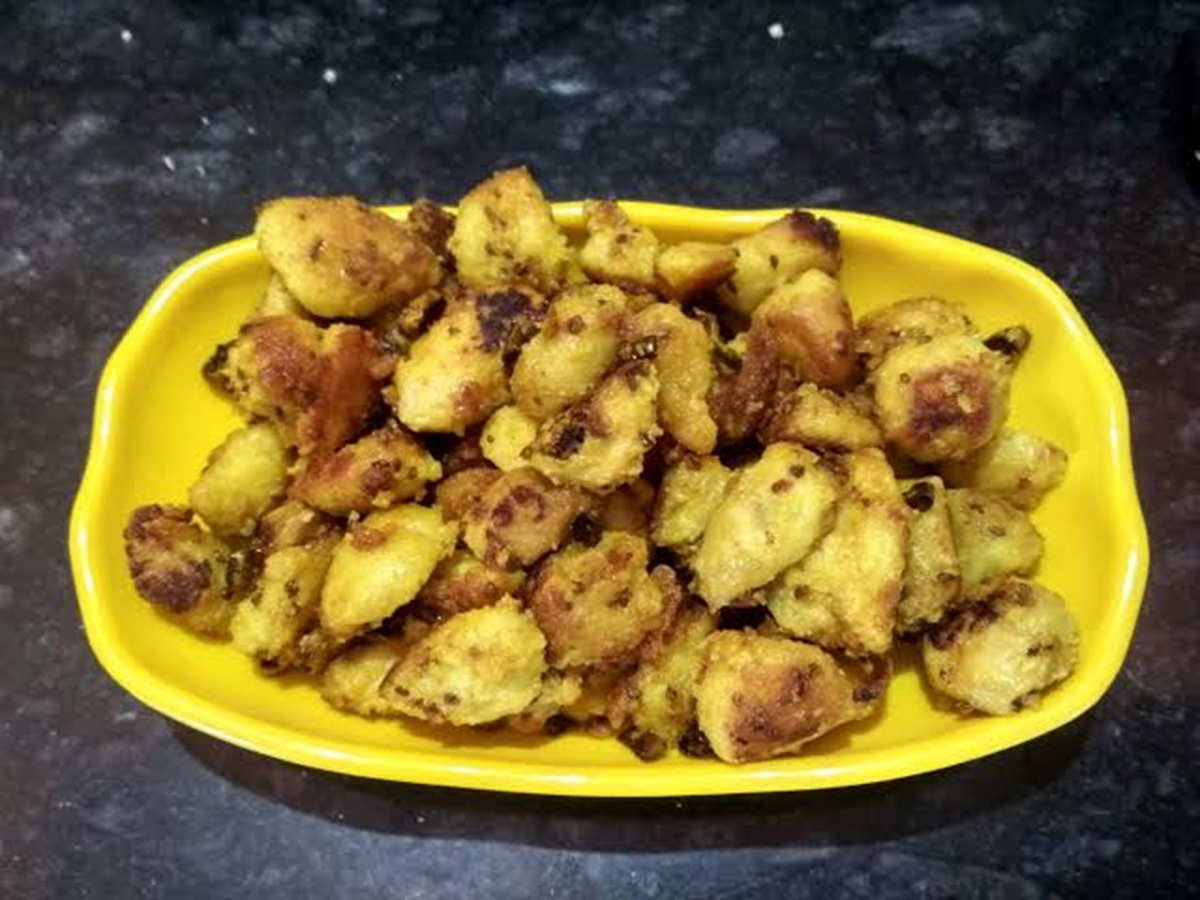
Serve the piping hot *arbi-pyaz bhujia* (taro root and onion stir-fry) with *roti*, *paratha*, or *dal-chawal* (lentils and rice). The subtle sweetness of onions, the aroma of carom seeds (ajwain), and the tanginess of dry mango powder (amchur) give *arbi* (colocasia) a flavor that sets it apart from the usual vegetable dishes; if your family isn't particularly enthusiastic about eating *arbi*, you might want to try making it this way—crispy. Just be sure not to overboil the *arbi* and keep the pan uncovered while roasting it.
PC Social Media