Business
LPG Cylinder Safety Tips 2026: Avoid These 5 Common Mistakes to Protect Your Family From Gas Accidents
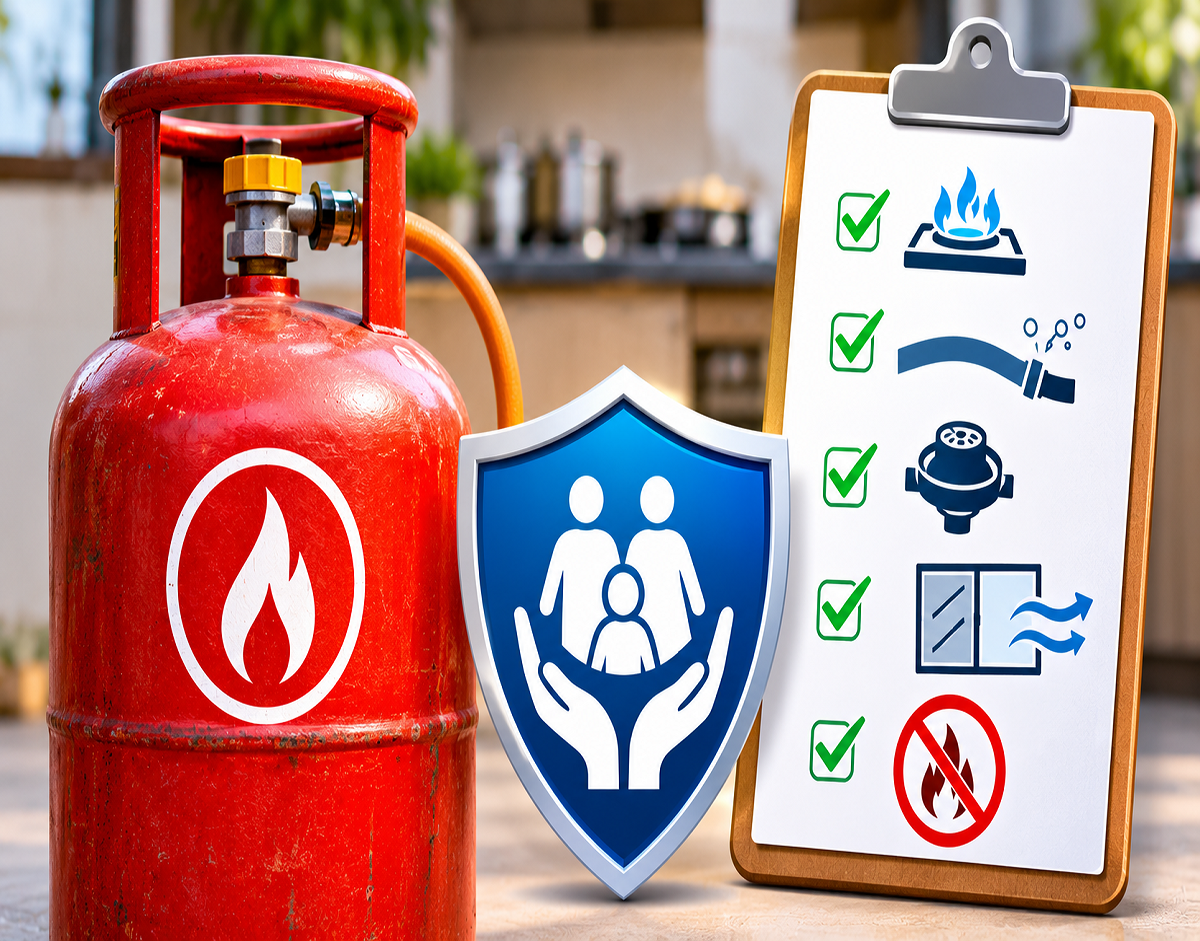
LPG Gas Cylinder Safety Tips: Liquefied Petroleum Gas (LPG) cylinders are widely used for cooking in Indian households. From preparing morning tea to cooking daily meals, LPG has become an essential part of modern kitchens. However, improper handling of gas cylinders, damaged pipes and failure to follow basic safety precautions can increase the risk of gas leaks, fires and other serious accidents.
According to a report published by NewsPoint on November 18, 2026, households should follow important safety practices while using LPG cylinders and gas stoves. Simple precautions, such as switching off the regulator after cooking, inspecting gas connections and ensuring proper ventilation, can significantly reduce the possibility of dangerous incidents.
Whether you use a domestic LPG cylinder every day or occasionally, understanding these five essential safety rules can help protect your home and family.
1. Always Turn Off the LPG Regulator After Cooking
One of the most important precautions when using an LPG cylinder is ensuring that the gas supply is properly switched off after cooking.
Many people turn off the stove burners but forget to close the regulator attached to the cylinder.
Although switching off the burner stops the flame, closing the regulator provides an additional safety measure by shutting off the gas supply from the cylinder.
After preparing food, turn off the stove knobs and then close the cylinder regulator.
Before going to bed, check that all burner knobs and the regulator are in the OFF position.
This simple daily habit can help reduce the risk of accidental gas leakage, especially when the kitchen remains unattended for several hours.
2. Keep the Gas Stove on a Stable and Elevated Platform
The placement of your cooking stove plays an important role in kitchen safety.
Gas stoves should be installed on a stable, level and heat-resistant kitchen platform rather than directly on the floor.
A properly positioned stove makes cooking more convenient and helps reduce the possibility of accidental contact with the flame.
The LPG cylinder should remain upright in a well-ventilated location, away from direct heat sources.
Avoid placing the cylinder inside tightly enclosed compartments where leaked gas could accumulate.
It is also important to ensure that the gas hose is not stretched, twisted or exposed to excessive heat.
Keep flammable materials such as curtains, paper, plastic bags and cleaning chemicals away from the stove.
A clean and organised cooking area can help reduce the risk of kitchen accidents.
3. Inspect the LPG Cylinder Before Accepting Delivery
Many households accept replacement LPG cylinders without checking their condition.
However, inspecting a cylinder at the time of delivery is an important safety precaution.
Before accepting a new cylinder, customers should check whether the security seal and safety cap are intact.
They should also examine the cylinder for visible damage, unusual corrosion or other signs of deterioration.
The cylinder's weight can be verified using the tare weight marked on the cylinder and the declared net LPG quantity.
Customers should also ask the delivery person to perform the prescribed leak check.
If there is a strong smell of gas or any indication of leakage, do not connect or use the cylinder.
Instead, inform the authorised LPG distributor immediately and request appropriate assistance.
Never attempt to repair a damaged cylinder valve or safety component yourself.
4. Regularly Check the Gas Hose and Regulator
The flexible hose connecting the LPG cylinder to the stove is another important component that requires attention.
Over time, a gas hose may develop cracks, become loose or deteriorate due to heat and regular use.
A damaged hose can allow LPG to escape, creating a serious fire hazard.
Households should periodically inspect the visible condition of the hose and ensure that it is properly connected.
Use only approved LPG hoses and regulators suitable for domestic installations.
Avoid using ordinary plastic tubing or makeshift connectors.
The hose should be positioned away from hot surfaces and sharp edges.
Customers should follow the replacement interval specified by the hose manufacturer and their LPG supplier. Do not assume that every hose is safe to use for five years without inspection.
If the hose shows signs of damage, arrange for replacement through an authorised technician or LPG distributor.
Similarly, any suspected problem with the regulator should be examined by qualified personnel.
5. Know What to Do Immediately if You Smell LPG Gas
Recognising and responding correctly to a gas leak can prevent a dangerous situation from becoming more serious.
LPG contains an added odorant that produces a distinctive smell, helping people detect possible leakage.
If you notice this smell, take immediate precautions.
Follow these essential safety steps:
- Turn off the gas regulator if it is safe to approach.
- Do not light matches, candles, cigarettes or gas burners.
- Avoid operating electrical switches, fans, exhaust systems or appliances.
- Open doors and windows manually, if it is safe to do so, to allow natural ventilation.
- Move everyone away from the affected area.
- Contact your LPG distributor or emergency assistance service from a safe location.
- Do not return to the affected area until it has been declared safe.
Never use a flame to check whether a cylinder or hose is leaking.
If the leak is significant or the situation appears dangerous, evacuate immediately rather than attempting to locate or repair the problem.
LPG Emergency Helpline Number in India
24-HOUR LPG EMERGENCY HELPLINE
1906
Call from a safe location to report a suspected LPG leak.
The LPG emergency helpline is intended to assist consumers facing gas leakage and related safety emergencies.
If a fire has started or people are in immediate danger, evacuate and contact emergency responders. India's integrated emergency response number is 112.
Customers should also notify their authorised LPG distributor so that the cylinder and connections can be inspected.
Additional LPG Cylinder Safety Precautions Every Household Should Follow
Apart from the five main precautions, several other habits can improve kitchen safety.
| Safety practice | Why it matters |
|---|---|
| Keep the cylinder upright | Helps ensure safe handling and proper operation |
| Maintain ventilation | Reduces the risk of leaked gas accumulating |
| Use approved gas hoses | Helps prevent leaks caused by unsuitable connections |
| Keep children away from the stove | Reduces accidental contact with burners and controls |
| Avoid storing flammable materials nearby | Lowers the risk of fire spreading |
| Arrange professional inspections | Helps identify damaged components and unsafe connections |
Families should also ensure that children understand the dangers of playing with stove knobs or cylinder regulators.
Never leave cooking unattended for extended periods, particularly when using high flames or heating oil.
Why Proper Kitchen Ventilation Is Important
LPG is heavier than air. If a leak occurs, the gas can collect in low-lying areas and poorly ventilated spaces.
This makes proper ventilation particularly important in kitchens where LPG cylinders are used.
Avoid keeping cylinders in underground spaces, pits or other locations where leaked gas could accumulate.
Ventilation openings should remain unobstructed, and cylinders should be positioned according to the supplier's safety instructions.
During a suspected leak, natural ventilation is preferable to switching on an electric exhaust fan because operating electrical equipment may create an ignition risk.
Can a Damaged LPG Hose Cause a Fire?
Yes. A damaged or improperly connected LPG hose can allow gas to escape.
If leaked gas mixes with air and encounters an ignition source, it can cause a fire or explosion.
Warning signs may include a persistent gas smell, visible hose cracks or loose connections.
However, not every leak will be immediately noticeable.
This is why regular inspections, approved equipment and professional maintenance are essential.
If you suspect a leak, stop using the installation and contact your authorised LPG service provider.
LPG Safety Rules 2026: Important Advice for Every Family
Using an LPG cylinder safely requires consistent attention to basic precautions.
Turning off the regulator, placing the stove correctly, inspecting replacement cylinders, maintaining approved hoses and knowing how to respond to a gas leak can all help reduce household risks.
Families should avoid attempting repairs themselves and rely on authorised technicians for any suspected equipment faults.
Remember: If you smell LPG, do not operate electrical switches or use an open flame. Evacuate if necessary and call 1906 from a safe location.
Following these precautions can make everyday cooking safer and help protect household members from preventable accidents.