Food & recipe
Low-Oil Cooking: Delicious Meals Are Possible Even with Less Oil! Discover Easy Methods for Healthy Cooking..

The impact of ongoing wars and violent conflicts in various parts of the world has now begun to reach the kitchens of ordinary people. First, the price of gas cylinders rose, and now, the soaring cost of cooking oil is disrupting household budgets. In such a scenario, it is essential to adopt simple and effective methods for preparing delicious and healthy meals using less oil, thereby reducing expenses while safeguarding one's health.

Recently, Prime Minister Modi appealed to the citizens of the country to reduce their consumption of cooking oil. He emphasized that this step is crucial for the well-being of both the nation and the individual body. In reality, India imports a significant portion of its cooking oil requirements from abroad—a process that entails a massive annual expenditure of foreign currency.
Consequently, if people were to reduce their oil consumption amidst these war-like conditions, it would not only result in economic savings for the nation but also lead to improved public health. This is because food prepared with excessive oil exacerbates health issues such as obesity, high blood pressure, diabetes, and heart disease. Therefore, you must implement a few simple changes in your kitchen routine. So, let us share with you today some specific techniques for preparing delicious meals using minimal oil.
**Use Non-Stick Cookware**
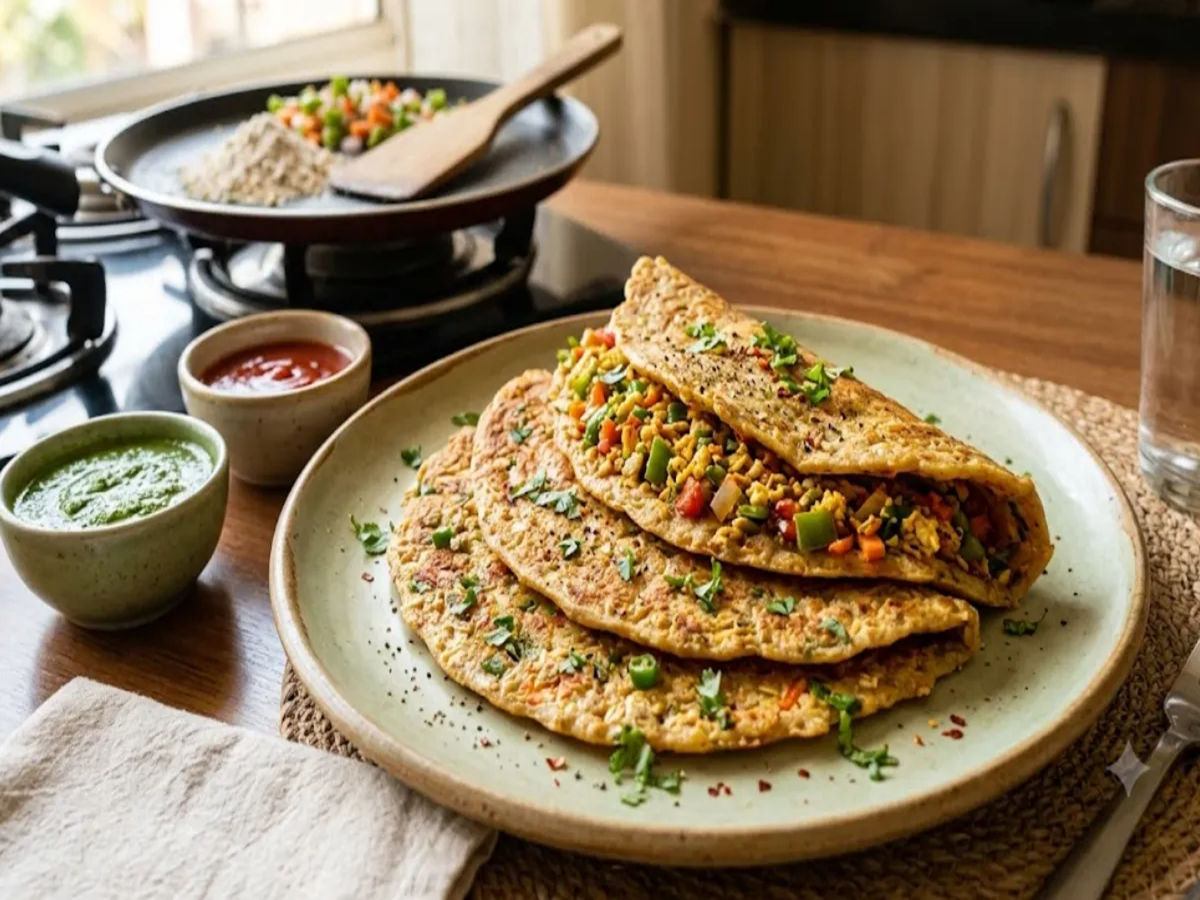
The easiest way to cook with less oil is to utilize non-stick pans and *kadhai* (deep cooking vessels).
With standard cookware, one often has to add extra oil to prevent food from sticking; however, in non-stick vessels, food cooks easily and without sticking, even when using very little oil.
Nowadays, the market offers a wide range of modern kitchen appliances that can help reduce oil consumption by as much as half.
Among these options, non-stick pans remain the most effective choice.
**Measure Your Oil**
When cooking, you may often fall into the habit of pouring oil directly from the bottle without measuring—a practice that frequently results in using more oil than necessary.
Instead, you should always use a spoon or a measuring cup to dispense oil while preparing a meal, adjusting the quantity according to the specific dish being cooked.
If a family collectively decides on a specific limit for oil consumption—whether on a daily or weekly basis—it becomes much easier to effectively control overall usage. This habit not only reduces oil consumption but also gradually acclimates the body to a diet containing less oil.
**Increase the Use of Spices and Natural Flavorings**
Many people use excessive oil in their cooking because they believe that a higher quantity of oil makes food more delicious.
According to food experts, this is a myth; the true flavor of a dish comes from spices, the right combination of vegetables, and the cooking method—not from an excessive amount of oil.
You can make your meals delicious by skillfully utilizing ingredients such as ginger, garlic, coriander, mint, lemon, and various other spices.
This reduces the need for oil and makes the food more nutritious.
**Opt for Steamed and Grilled Foods Instead of Fried Ones**
Fried and deep-fried foods have always been extremely popular in Indian kitchens.
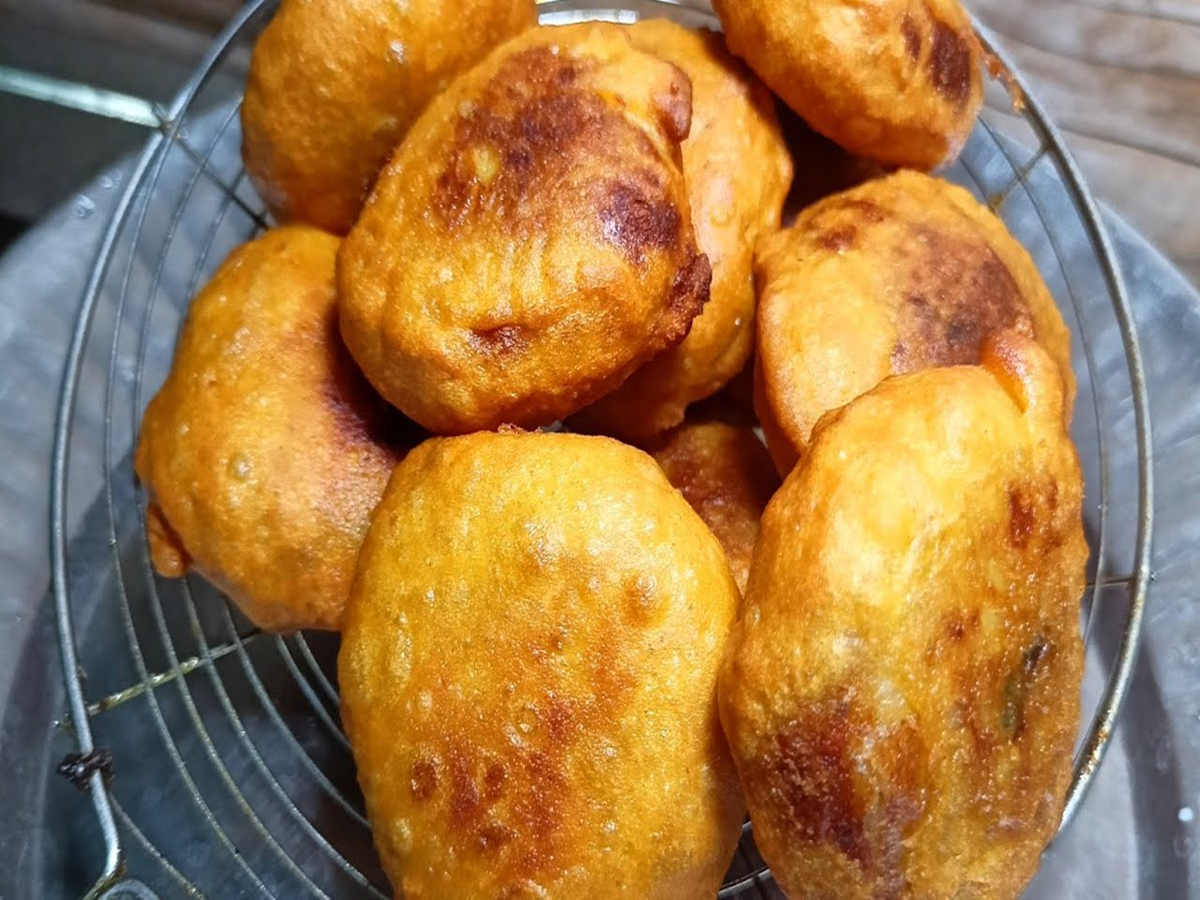
Delicious treats like samosas, pakoras, puris, and chips appeal to everyone; however, they contain a very high amount of oil, which is detrimental to health.
In light of this, you should prepare your meals by steaming, boiling, or grilling them instead.
Dishes such as idli, dhokla, grilled paneer, roasted vegetables, and boiled lentils offer benefits to your health alongside great taste.
This prevents the accumulation of excess body fat and improves digestion.

**The Abundant Health Benefits of Using Less Oil**
Consuming less oil and reducing the intake of fried foods helps maintain a healthy body.
It lowers the risk of obesity, high blood pressure, heart disease, and elevated cholesterol levels.
Low-oil meals are easier to digest and help minimize stomach-related issues.
It helps maintain energy levels in the body and contributes to healthy-looking skin.
Consuming oil in balanced quantities provides the body with essential nutrients, whereas excessive oil intake can be harmful.
Therefore, adopting a simple, nutritious, and low-oil diet is considered highly beneficial.
PC Social Media