Food & recipe
Karwa Chauth Fast: What to eat after sighting the moon? Quickly prepare these delicious dishes at home..
For married women, the Karwa Chauth fast is a celebration deeply rooted in love, faith, and the strength of the marital bond. On this day, women observe a *nirjala* fast (abstaining from both food and water), praying for their husbands' longevity and a happy married life. After consuming *sargi* in the morning, they remain without food or water throughout the day, awaiting the sighting of the moon in the evening.
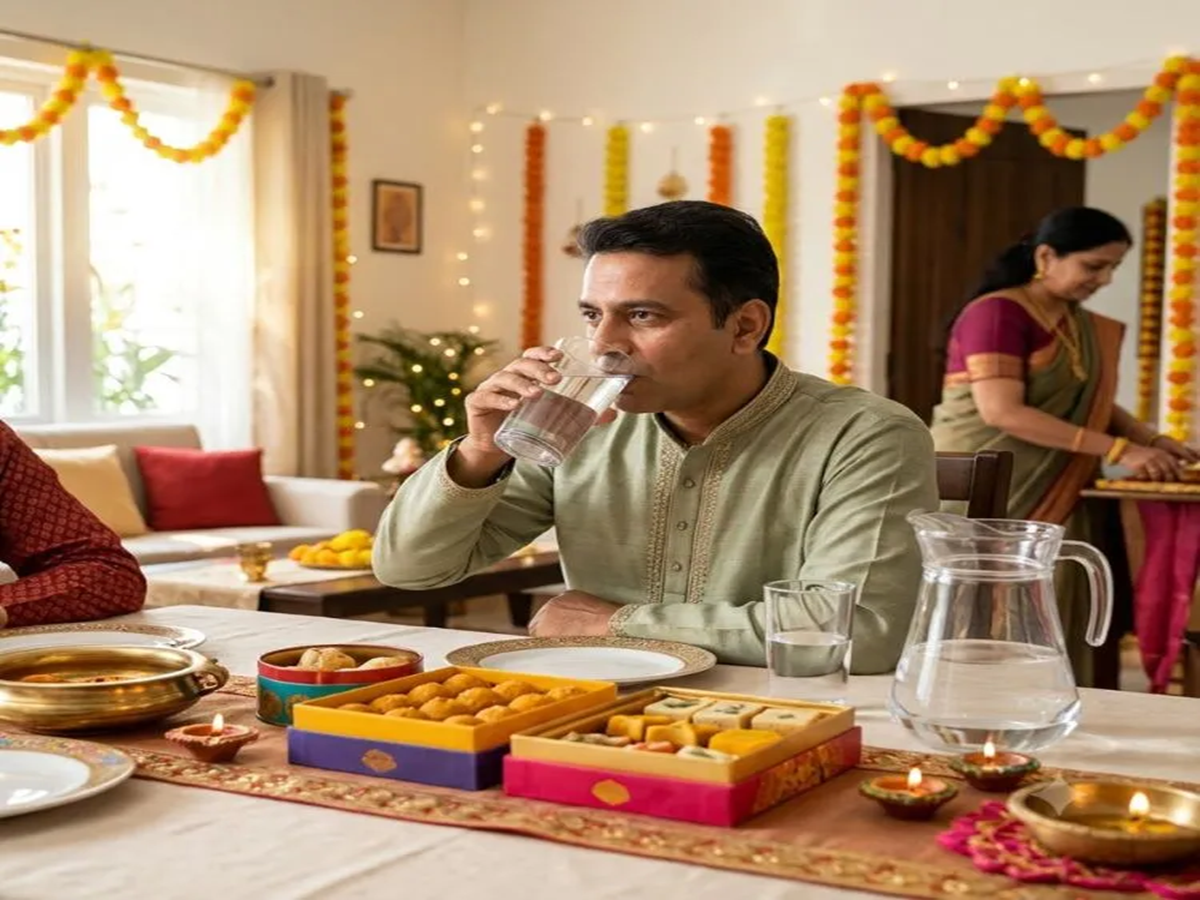
The fast is broken after offering *arghya* (libation) to the moon, performing rituals, and drinking water offered by one's husband. However, after a full day of fasting, the most common question is: what should one eat first?
Many women begin by consuming sweets, fried snacks, *puri-kachori*, or spicy dishes. However, consuming a heavy meal immediately after a long period of fasting is not advisable. It can lead to issues like gas, acidity, a feeling of heaviness in the stomach, or nausea. Therefore, it is best to ease back into eating and drinking gradually.
You do not need to go to great lengths or purchase expensive items from the market; a delicious and nutritious meal can be prepared using staples already available at home—such as lentils (*dal*), rice, yogurt, fruits, and vegetables. Let’s explore what you should eat after sighting the moon on Karwa Chauth, along with some simple recipes you can try.
Start with water and a light sweet
Once the traditional rituals—sighting the moon and performing the *puja*—are complete, begin by sipping some water. It is better to take small sips rather than drinking a large amount all at once. Following this, you may consume a small piece of a sweet, a date, or a piece of fruit, depending on your personal or family traditions. This allows your body to transition back to food gently.
Moong Dal Khichdi
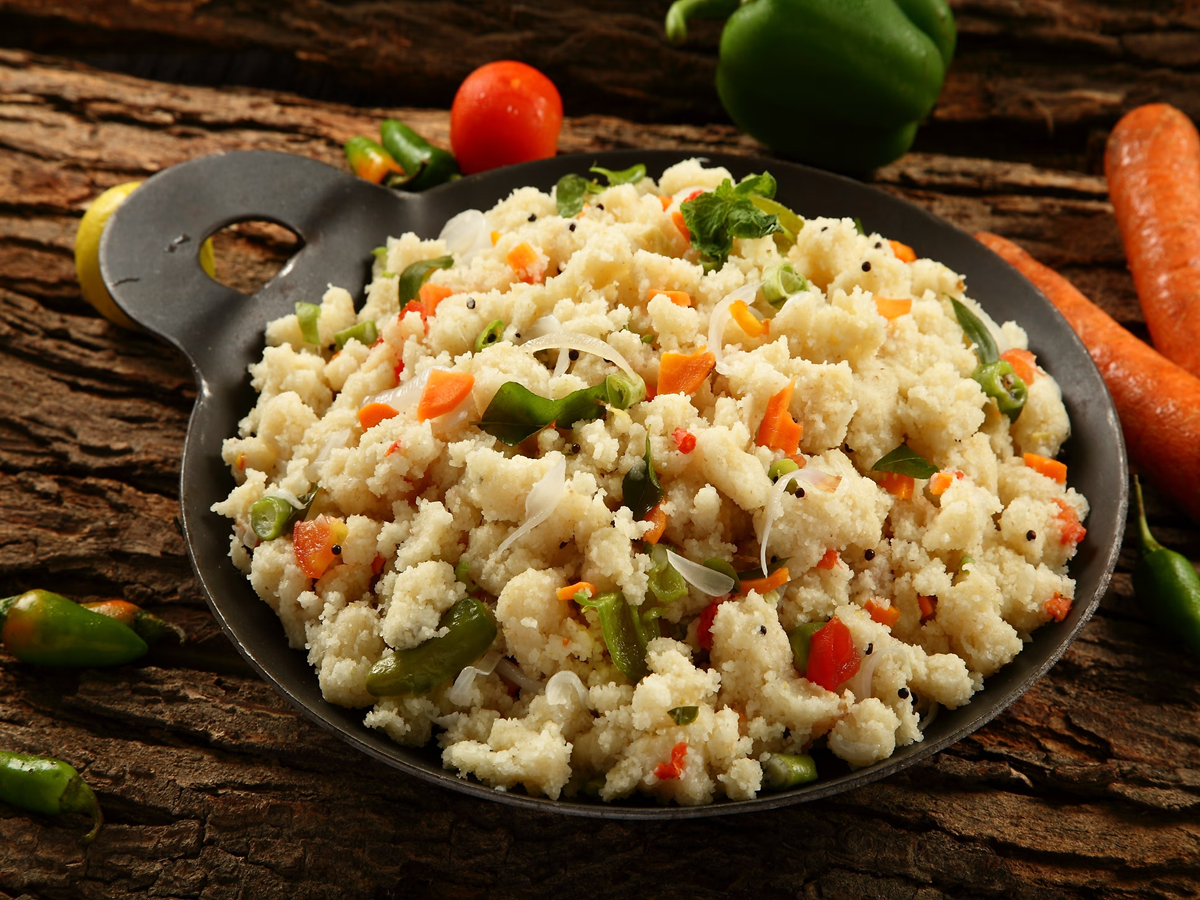
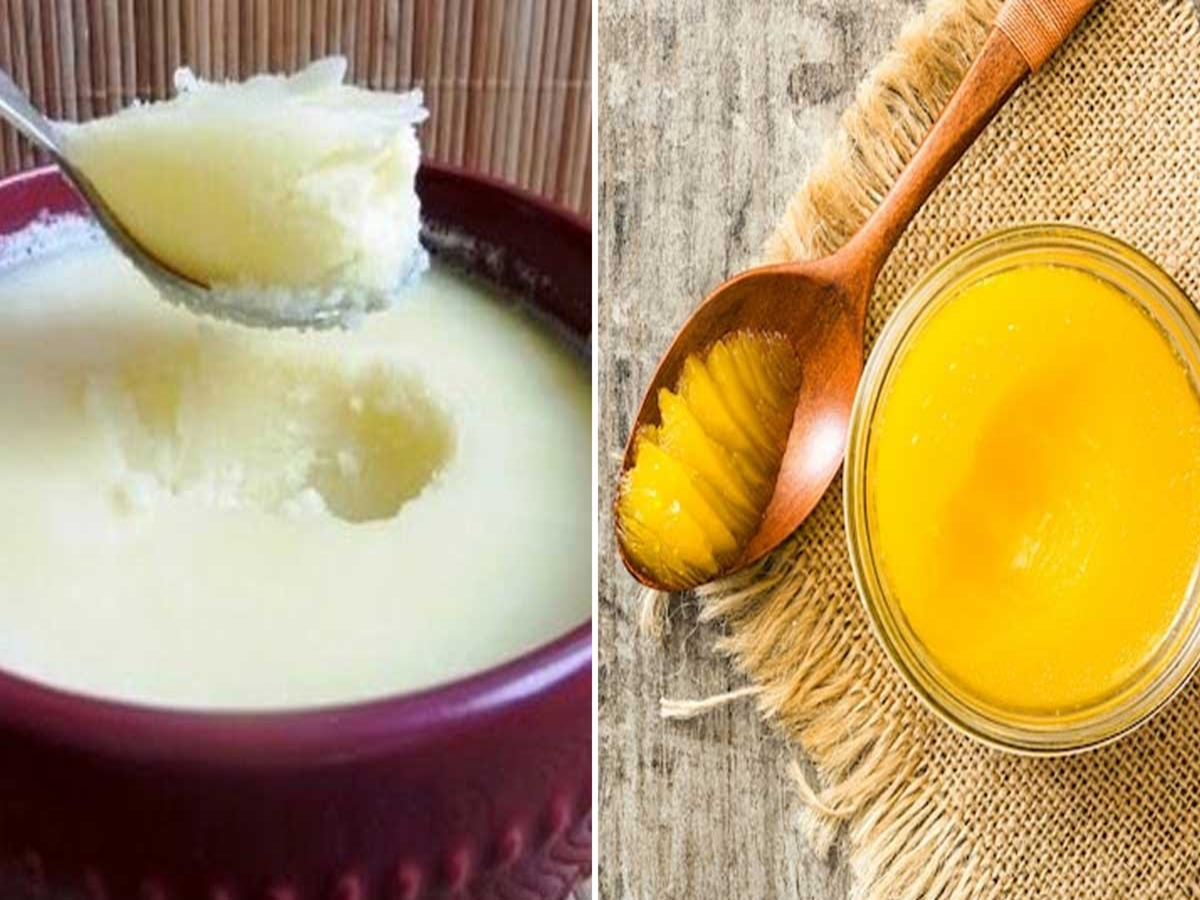
*Moong dal khichdi* (a dish made of lentils and rice) is an excellent choice for breaking the fast. It is soft and, when prepared with minimal spices, is easy to digest. Half a cup of rice, a quarter cup of hulled (split) moong dal, two to three cups of water, a little ghee, and salt to taste.
Preparation Method
Wash the rice and dal thoroughly. Heat ghee in a pressure cooker and add the dal and rice. Add water and a little salt, then cook until three to four whistles. Keep the consistency of the khichdi as soft as you prefer. You may also serve it with some yogurt (curd) on the side.
A Bowl of Yogurt and Seasonal Fruits
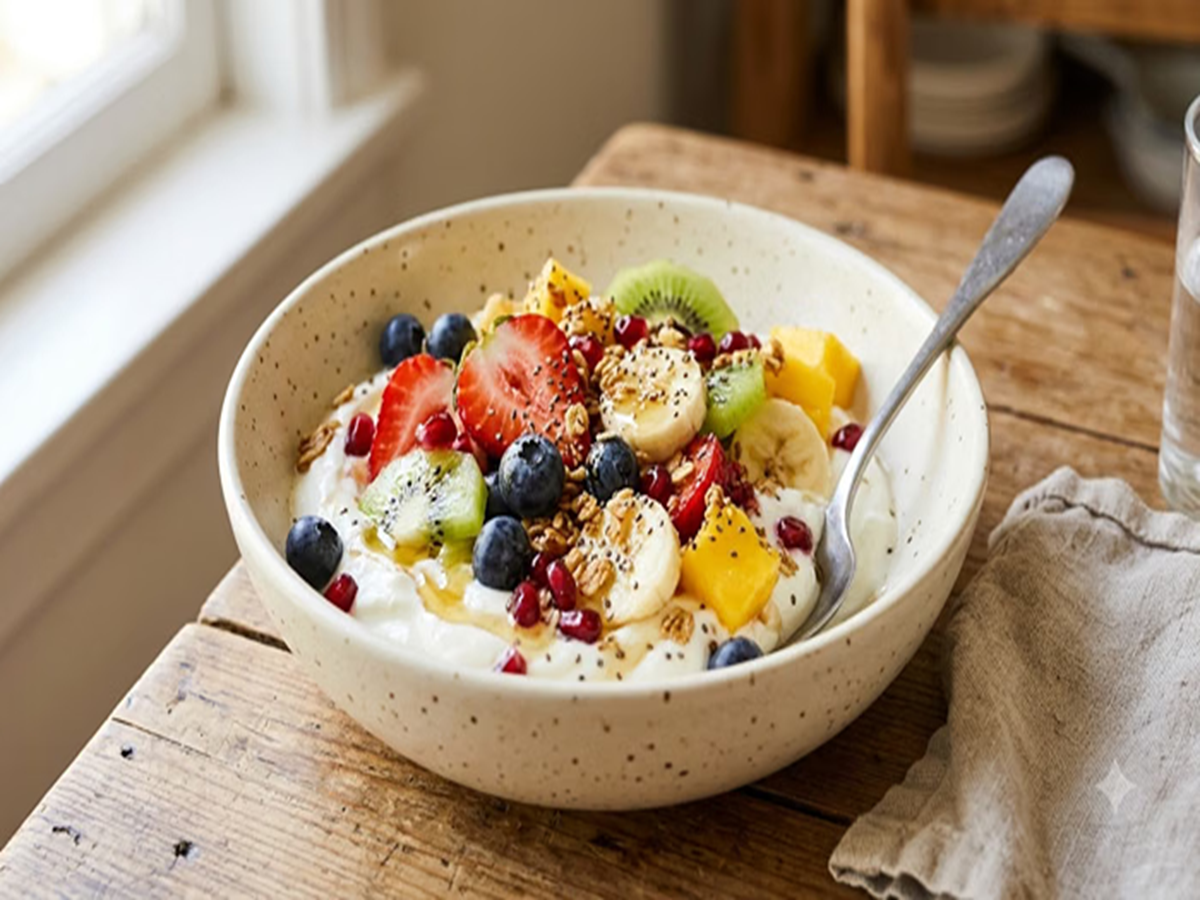
If you prefer something light after breaking your fast, prepare a bowl of fresh fruits and yogurt. Use bananas, apples, pomegranates, and fresh yogurt. Chop the fruits into small pieces and mix them with the yogurt. Avoid adding extra sugar.
This option is particularly useful for women who do not wish to eat a heavy meal immediately after breaking their fast. If consuming yogurt causes acidity or stomach discomfort, you may skip it.
Light Vegetable Soup
If you would like a light meal in the evening, you can prepare a vegetable soup at home.
Ingredients
One carrot, a few beans, some peas, one cup of water, a little salt, and black pepper.
Preparation Method
Chop the vegetables into small pieces and boil them thoroughly in water. Once they are soft, add a little salt and black pepper. If you prefer, you can mash the vegetables to thicken the soup. Serve it hot. Keep in mind that instead of relying solely on the soup, you may also include a roti or a piece of toast, depending on your hunger.
A Meal of Dal, Roti, and Vegetables
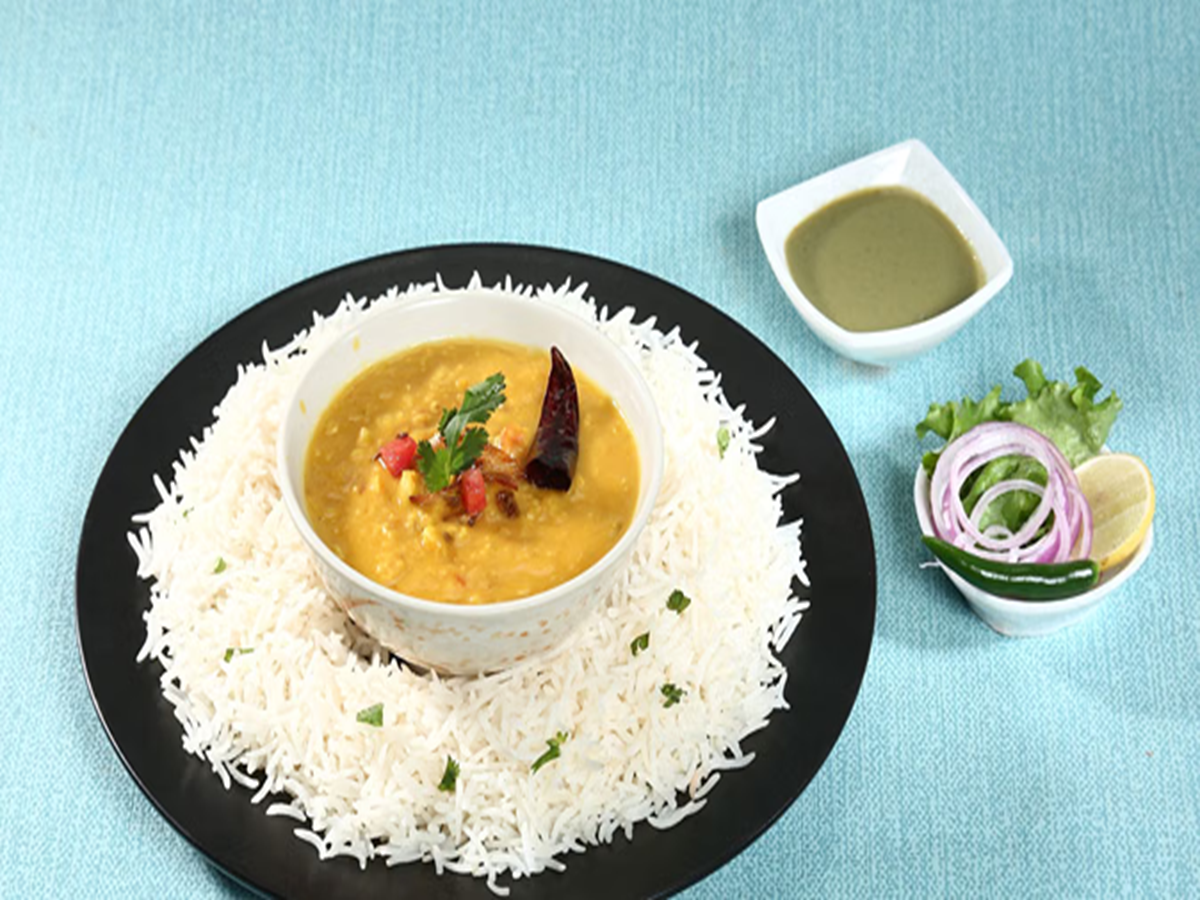
If you prefer a traditional Indian meal, you can have dal, roti, and a light vegetable dish after breaking your fast. Dishes like moong or masoor dal, or vegetables such as bottle gourd (lauki), ridge gourd (tori), or pumpkin (kaddu) are good choices. Keep the amount of oil and chili in the meal to a minimum. Start with a small portion and eat gradually, according to your appetite.
What should you avoid when breaking your fast?
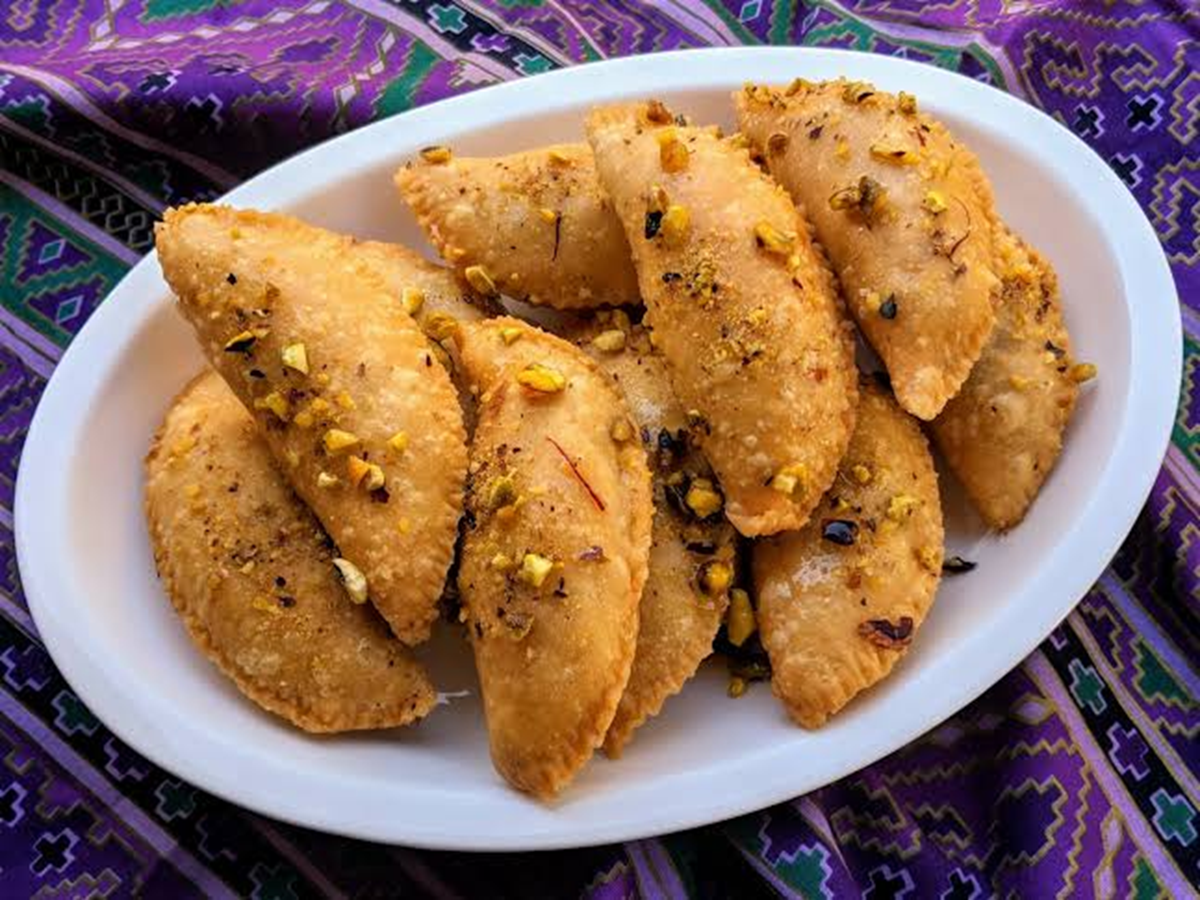
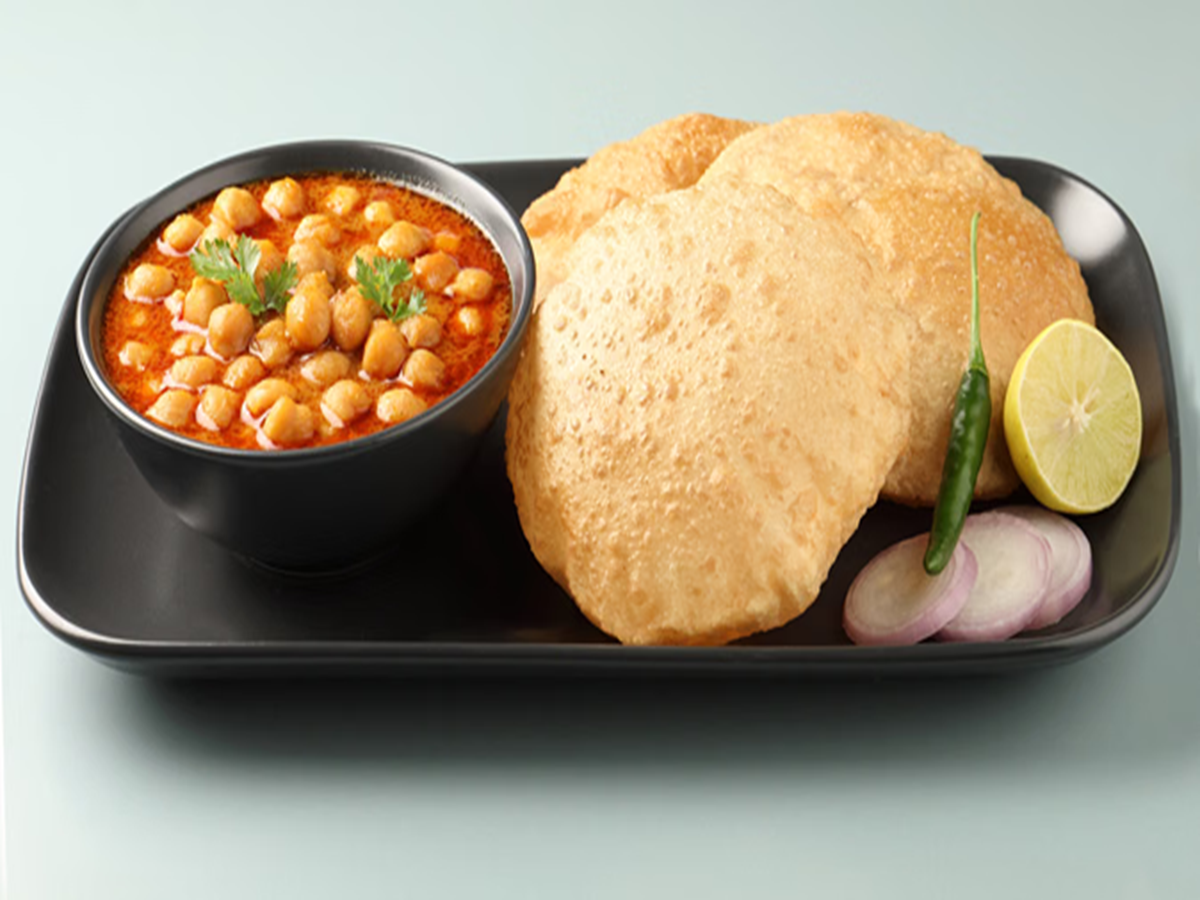
Consuming a large amount of food all at once—especially fried, oily, or highly spiced dishes—after fasting all day can cause discomfort for some people. Therefore, to begin with, limit your intake of items like *puri-kachori*, *chole-bhature*, excessive sweets, and carbonated drinks. Also, avoid consuming too much tea or coffee. Stay hydrated according to your body's needs, and make sure to get some rest.