LIFESTYLE
Jyestha Purnima 2026: When is Jyestha Purnima? Know the auspicious time for the holy bath and the timing of Bhadra..
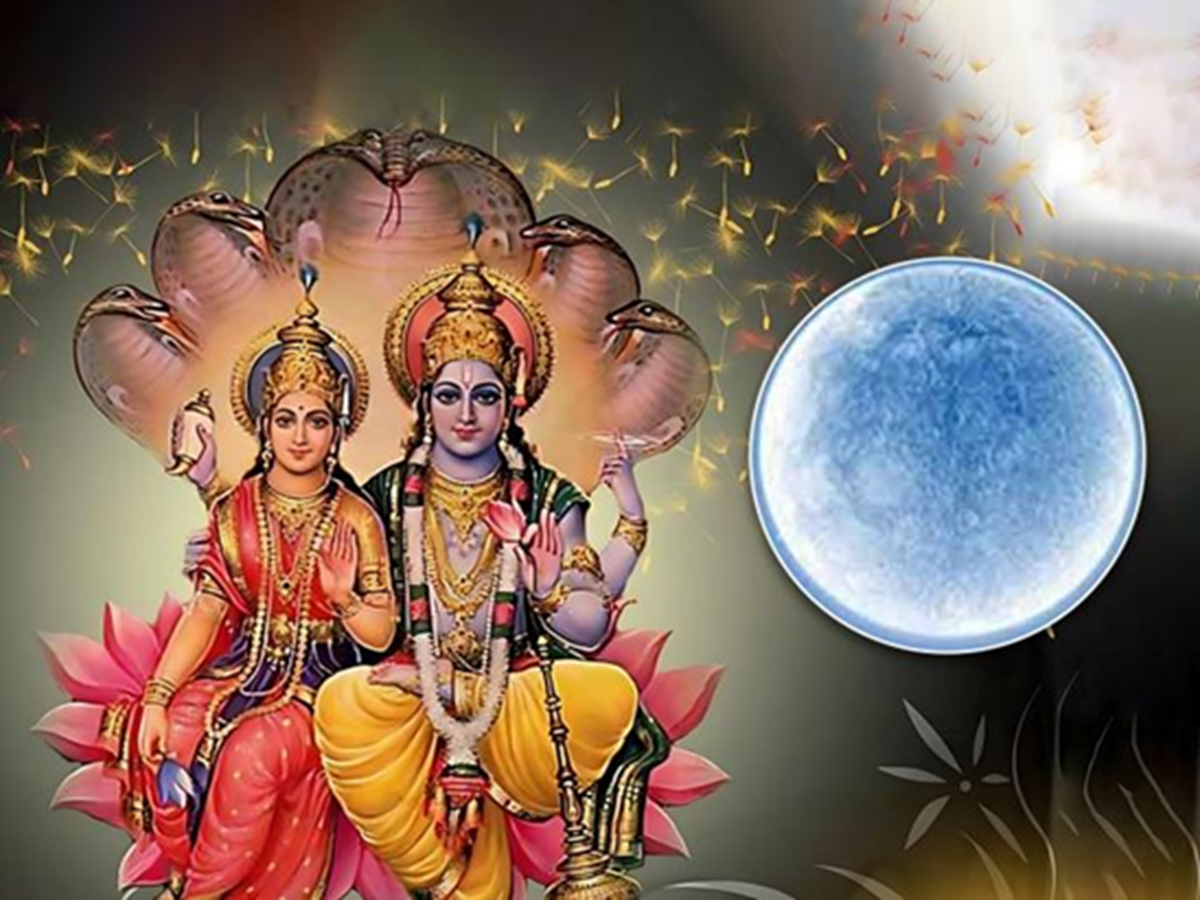
Jyestha Purnima 2026: In Hinduism, the day of Purnima (full moon) is considered extremely auspicious and spiritually rewarding. While the full moon occurring each month holds special significance for spiritual practices, worship, ritual bathing, and acts of charity, the Purnima of the Jyestha month is regarded as even more significant. Worshipping Lord Vishnu, Goddess Lakshmi, and the Moon God on this day brings happiness, peace, prosperity, and an influx of positive energy into one's life. According to religious beliefs, acts of charity and fasting observed on Purnima yield manifold spiritual rewards. Consequently, people often have questions regarding the date, auspicious timings (*Shubh Muhurat*), and rituals associated with Jyestha Purnima 2026. Let us find out when Jyestha Purnima will be observed this year and the most auspicious time for worship.

When will Jyestha Purnima 2026 be observed?
Start of Purnima Tithi (Shukla Paksha of Jyestha month): June 29, at 03:06 AM
End of Purnima Tithi (Shukla Paksha of Jyestha month): June 30, at 05:26 AM
Therefore, Jyestha Purnima will be observed on Monday, June 29. Jyeshtha Purnima 2026: Auspicious Timings
Jyeshtha Purnima 2026: Auspicious Timings
Brahma Muhurta: June 29, 04:06 AM to 04:46 AM
Pratah Sandhya (Morning Twilight): June 29, 04:26 AM to 05:26 AM
Abhijit Muhurta: June 29, 11:57 AM to 12:52 PM
Godhuli Muhurta (Evening Twilight): June 29, 07:22 PM to 07:42 PM
Sayahna Sandhya (Evening Twilight): June 29, 07:23 PM to 08:23 PM
Moonrise Time: June 29, 07:16 PM
Auspicious Time for Ritual Bathing and Charity
Jyeshtha Purnima 2026 will be observed on June 29 this year. The Purnima *Tithi* (lunar day) remains effective from sunrise until the moon becomes visible at night; therefore, all religious activities—such as worship, fasting, ritual bathing, and acts of charity—can be performed throughout the day. Bathing in the morning—whether in a holy river, a sacred pond, or at home using water mixed with *Gangajal* (holy water from the Ganges)—is considered particularly auspicious. According to religious beliefs, donating food, clothing, water, and other useful items to the needy on this day earns spiritual merit and ensures the continued blessings of Lord Vishnu and Goddess Lakshmi. Religious rituals performed with devotion and adherence to prescribed rules on this day are believed to bring happiness, peace, and prosperity into one's life.
Significance of Jyeshtha Purnima
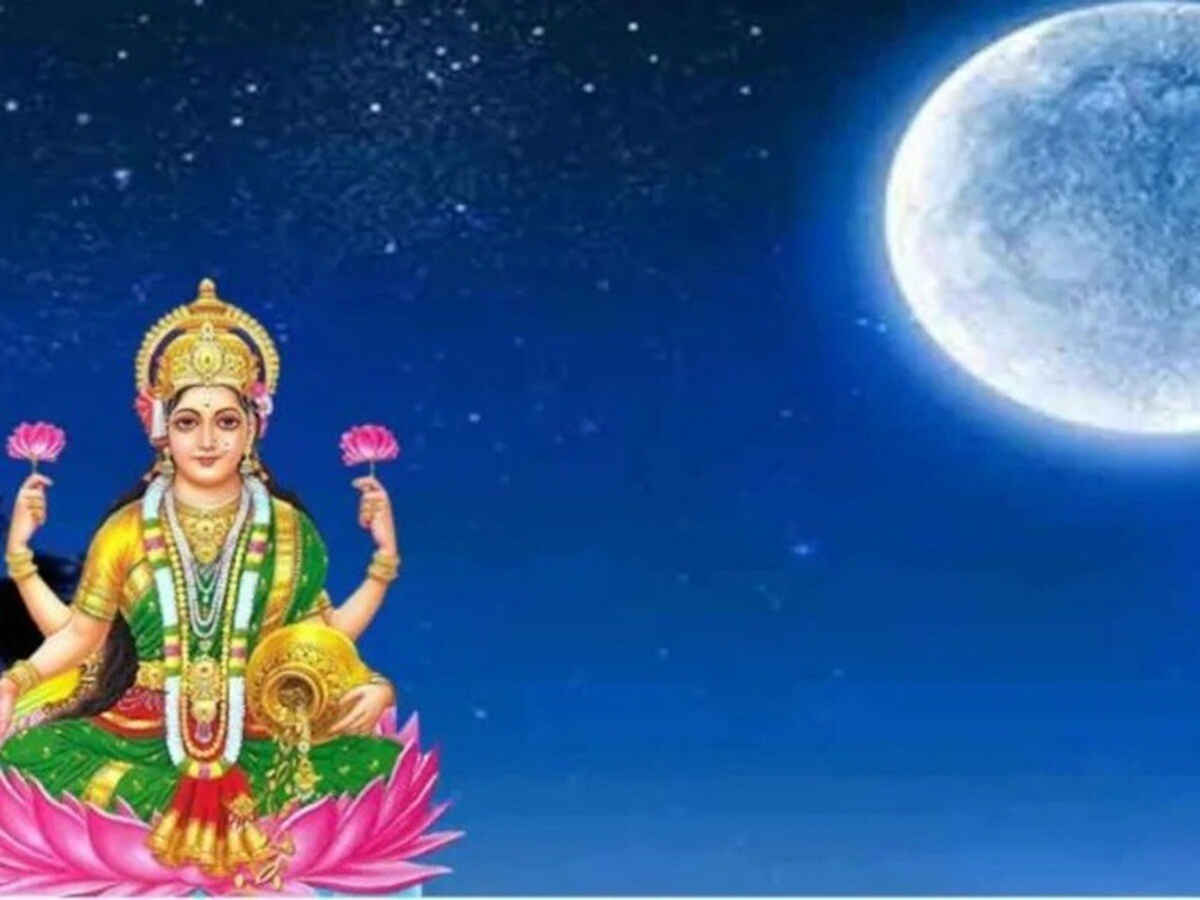
In Sanatan Dharma, Jyeshtha Purnima is considered a highly auspicious and spiritually rewarding day. According to religious beliefs, worshipping Lord Vishnu, Goddess Lakshmi, and Chandra Dev (the Moon God) on this day brings happiness, prosperity, and mental peace into one's life. Many devotees also perform the *Satyanarayan Katha* and worship on this day, which fosters well-being, good fortune, and positivity within the family. It is believed that worshipping Goddess Lakshmi and offering her favorite *bhog* (sacred food offering) at dusk paves the way for financial prosperity, while offering *Arghya* (water oblation) to the Moon calms the mind and helps alleviate mental stress.
What to do on Purnima (Full Moon Day)?
Wake up early in the morning, bathe, and take a vow of fasting.
If possible, bathe in a holy river, sacred lake, or at a pilgrimage site.
If a holy dip is not possible, mix *Gangajal* (holy water from the Ganges) into your bathwater.
After bathing, perform a ritualistic worship of Lord Vishnu, Goddess Lakshmi, Lord Shiva, and Chandra Dev (the Moon God).
Throughout the day, engage in acts of charity and religious activities to the best of your ability.
Donate food, clothing, or other useful items to the needy.
At dusk, after moonrise, offer water to the Moon.
Worship Chandra Dev and pray for happiness, peace, and prosperity.
Reciting or listening to the *Satyanarayan Katha* on Purnima is also considered auspicious.
PC Social Media