Food & recipe
Is the honey in your kitchen real or fake? Check its purity using these simple tricks..
Honey is not only sweet to the taste but is also considered highly beneficial for one's health. However, nowadays, a significant amount of adulterated honey is available in the market. To maximize profits, traders often adulterate honey with substances such as sugar syrup, jaggery syrup, or rice syrup.

Adulterated honey not only lacks the authentic flavor but can also cause harm to your health rather than providing benefits. The good news, however, is that you can easily identify adulterated honey. Let's explore the various methods you can use to distinguish between real and fake honey.
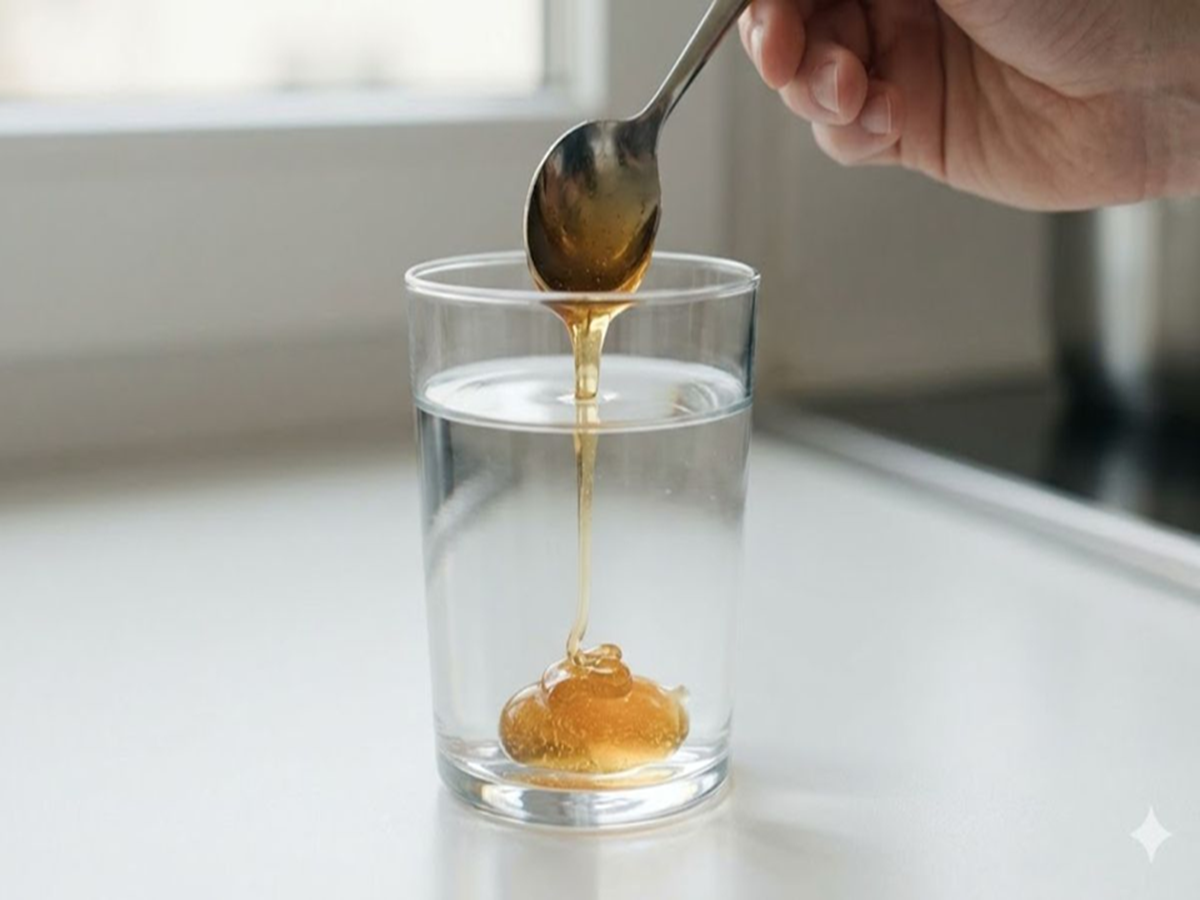
**The Water Test**
This is considered the easiest and most accurate method. Pure honey has a higher density than water; therefore, it does not dissolve easily in it.
**How to perform:** Fill a glass with plain water and add a spoonful of honey to it.
**Identification:** If the honey is pure, it will settle directly at the bottom of the glass without dissolving. However, if the honey is adulterated, it will begin to dissolve the moment it hits the water, turning the water cloudy.
**The Thumb Test**
The texture and viscosity of honey reveal a great deal about its purity.
**How to perform:** Place a small drop of honey on your thumb.
**Identification:** Pure honey is quite thick and viscous. It will stay put on your thumb without spreading quickly. If the honey is thin like water, starts to drip immediately, or gets absorbed into your skin, you can assume that it has been adulterated with syrup or water.
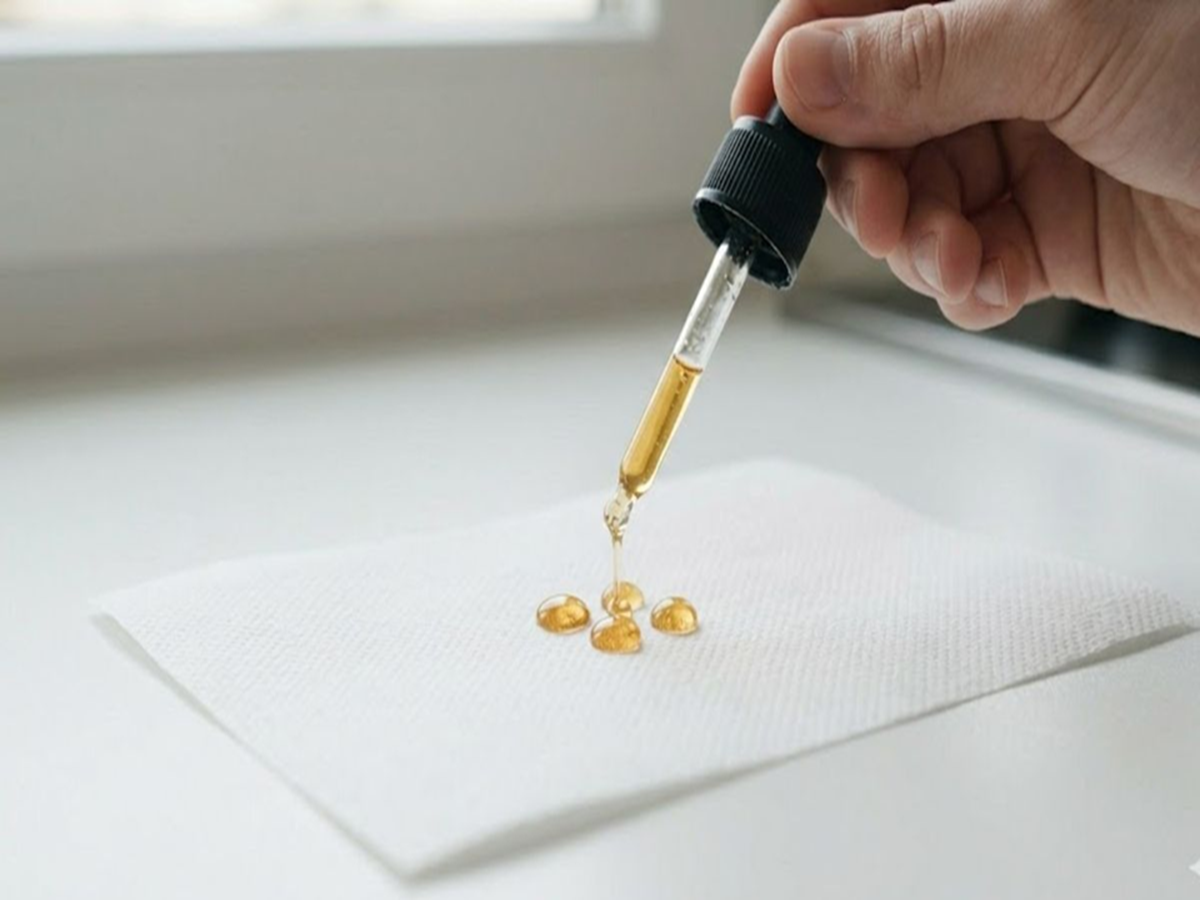
**The Paper Test**
Real honey contains a very low moisture content, whereas adulterated honey contains a higher proportion of water.
**How to perform:** Take a piece of white paper or blotting paper and place a few drops of honey on it.
**Identification:** Pure honey will remain on the surface of the paper without being absorbed. However, if the honey is adulterated, the paper will absorb it, leaving a wet mark on the underside of the paper.
**The Heat Test**
When honey is heated, its chemical reactions provide clues regarding its purity. How to do it: Place a small amount of honey in a microwave for 30 seconds, or heat it in a pan over low heat.
Identification: When heated, pure honey begins to caramelize gradually and emits a pleasant, earthy aroma. In contrast, due to the presence of water or other additives, adulterated honey begins to foam, starts boiling, or gives off a burnt smell.
PC Social Media