
Parenting
How does trying to be the perfect parent create unnecessary pressure on children? Understand this with these 5 points..

Parenting Pressure: Every parent wants the best for their child. Good education, good values, a secure future, and recognition in society – these dreams reside in every parent's heart. However, when this desire to do the best transforms into the pursuit of perfect parenting, it unknowingly creates immense mental pressure on children. This has become a crucial issue today, as the fine line between love and expectations is often blurred.
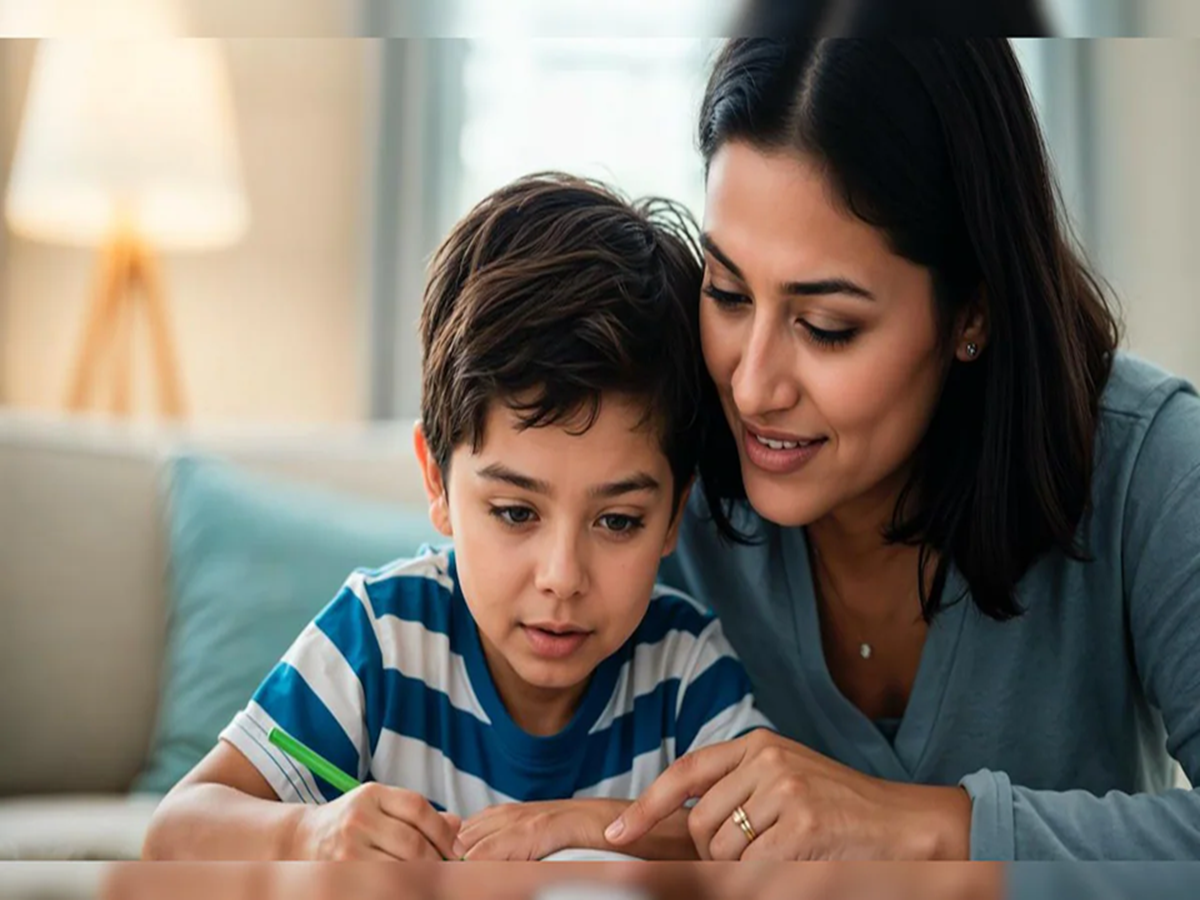
Good Intentions, Negative Impact
Nowadays, social media, parenting books, and the culture of comparison have created an image of the ideal parent. Everywhere, it seems that a good parent is one whose child is a topper, multi-talented, confident, and never makes mistakes. As a result, parents also get caught up in this race to prove themselves. The consequence is that children begin to carry the burden of expectations beyond their age.
How Does Perfect Parenting Create Pressure on Children?
1. Constant Expectation of Improvement
When a child is always expected to do better, they forget to be happy with their achievements. They feel that they are never good enough.
2. Fear of Making Mistakes
Perfect parents often consider mistakes as failures. This makes the child afraid to experiment and learn new things.
3. The Poison of Comparison
"Look what Sharma ji's child is doing" – this one line can deeply hurt a child's self-confidence. Comparison makes the child unhappy with themselves.
4. Suppressing Emotions
When parents focus only on results, the child's emotions are neglected. Gradually, the child stops sharing their problems.
5. Linking Love to Performance
If a child feels that they will only receive love when they perform well, they live under constant pressure to prove themselves.
Long-Term Effects on Children
Children who are under constant pressure may experience:
Increased anxiety and stress.
Reduced self-confidence. Making decisions can be daunting.
Openness in relationships may decrease.
Be a present parent, not a perfect one.

Children don't need perfect parents; they need understanding and supportive parents. View mistakes as learning opportunities, avoid comparisons, and let your child know that your love is unconditional.
When parents stop trying to be perfect and instead connect with their children as human beings, children not only thrive but also become happier and more confident. Remember, children need trust, not pressure, to spread their wings.
PC Social Media