
LIFESTYLE
Heart Health: Whether exercise is insufficient or excessive, both pose risks to heart health; exercise caution..
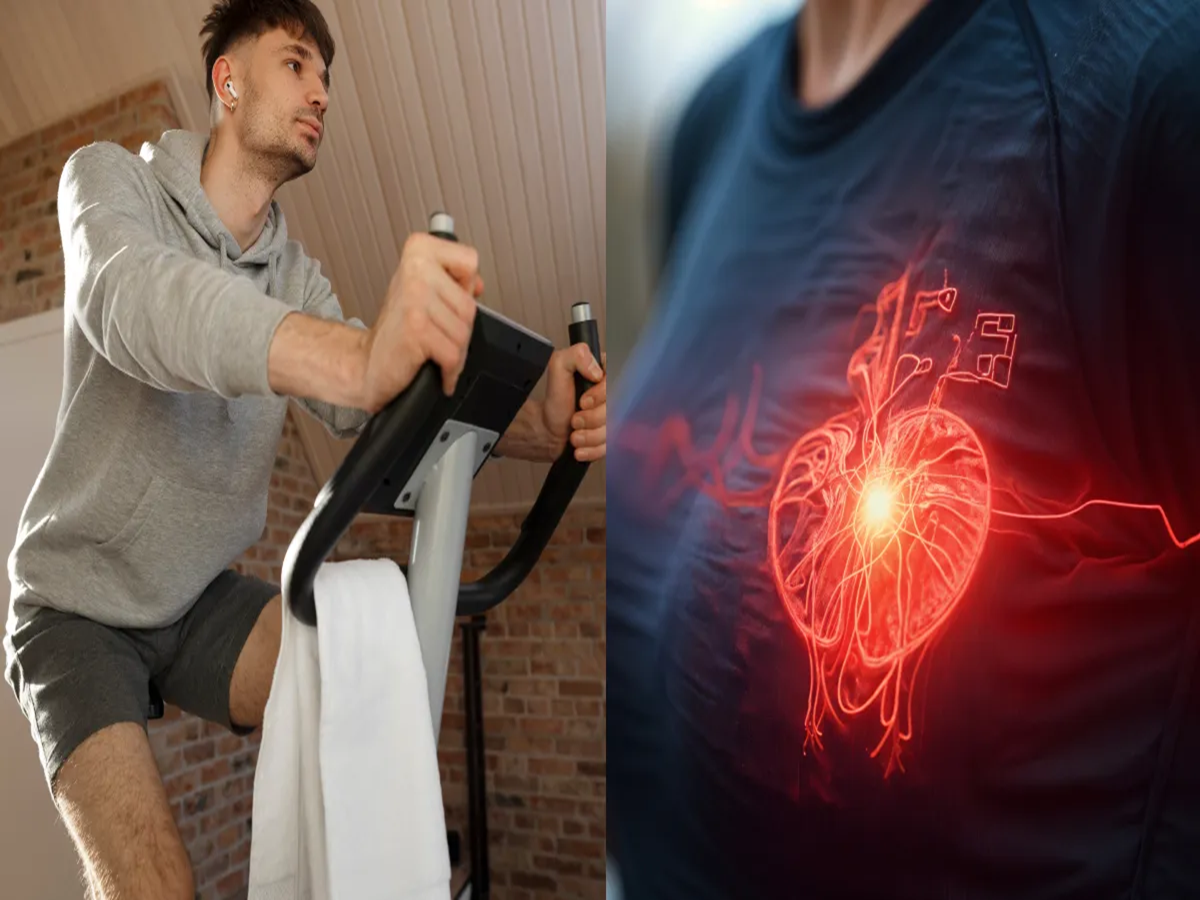
Cases of heart disease are rising rapidly across the globe, affecting everyone from children to the elderly.
Health experts state that an unhealthy lifestyle is the primary cause of this surge in heart disease cases. Habits such as sitting at a desk for hours at work, spending leisure time watching TV or using a mobile phone, and opting to drive short distances instead of walking contribute to the risks associated with a sedentary lifestyle. Prolonged physical inactivity can increase the risk of obesity, high blood pressure, type-2 diabetes, and heart disease. Regular physical activity is essential for maintaining heart health.

However, exercise and physical exertion alone are not enough to keep the heart healthy. Some people over-exercise in an attempt to stay fit or build muscle quickly. Working out for hours without considering one's physical limits, age, or health status can actually jeopardize heart health.
**Harmful Effects of a Sedentary Lifestyle on the Heart**
A sedentary lifestyle involves prolonged periods of sitting or lying down with minimal physical activity. This reduces the body's calorie-burning capacity and increases the likelihood of weight gain. Over time, this can lead to issues such as high blood pressure, elevated blood sugar levels, and high cholesterol—all of which heighten the risk of heart disease.
According to the World Health Organization, adults should engage in at least 150 minutes of physical activity or aerobic exercise per week. Activities like brisk walking or cycling can be highly beneficial.
**Can Excessive Exercise Be Harmful?**
While exercise is generally considered beneficial for the heart, extremely strenuous workouts, lifting weights beyond one's physical capacity, or hitting the gym continuously without adequate rest can cause problems rather than provide benefits. Such practices can lead to muscle and joint injuries, extreme fatigue, dehydration, and, in some cases, place excessive strain on the heart. Individuals with pre-existing heart conditions or those at high risk should consult a doctor before starting strenuous exercise.
For most people, moderate-intensity activities are considered sufficient to maintain heart health.

What should be kept in mind while exercising?
Symptoms such as chest pain or pressure, shortness of breath, dizziness, or a feeling of faintness during a workout should not be ignored. In particular, if chest pain is accompanied by sweating, nausea, or breathing difficulties, stop exercising immediately and seek medical attention. Along with exercise, it is important to prioritize sleep, a nutritious diet, and recovery.
Persistent fatigue or muscle pain may indicate that the body is not getting adequate rest.
PC Social Media