
LIFESTYLE
Heart Health: A deficiency in this vitamin also increases the risk of heart disease! Address the deficiency immediately..
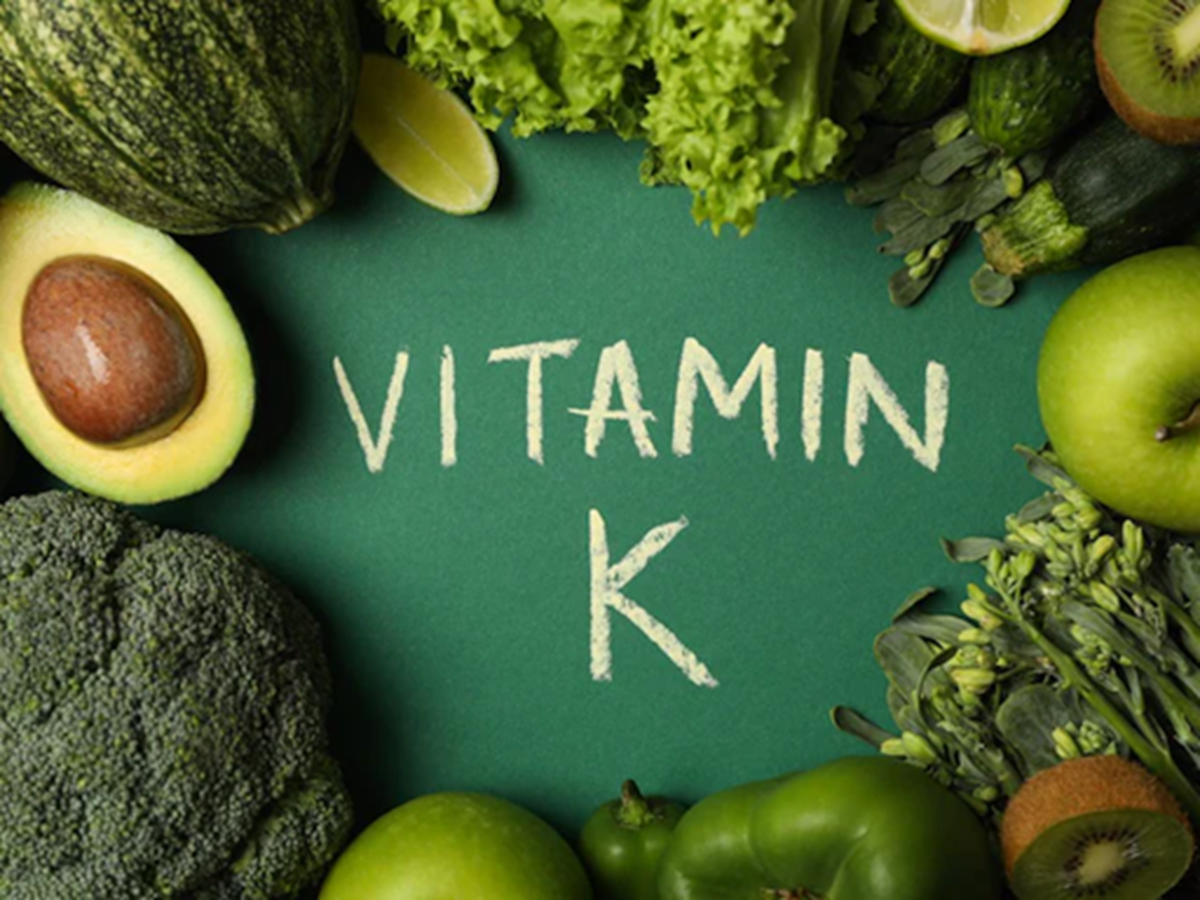
Dangers of Vitamin K Deficiency: Our bodies need many vitamins to maintain proper functioning. People often talk about vitamin A, vitamin B, vitamin C, and vitamin D, but beyond these, another vitamin is crucial for health. This is vitamin K, which also needs attention. Vitamin K deficiency can cause numerous health problems. You may be surprised to know that this vitamin is essential for heart health, and its deficiency can increase the risk of heart disease. Ignoring its deficiency can be fatal.
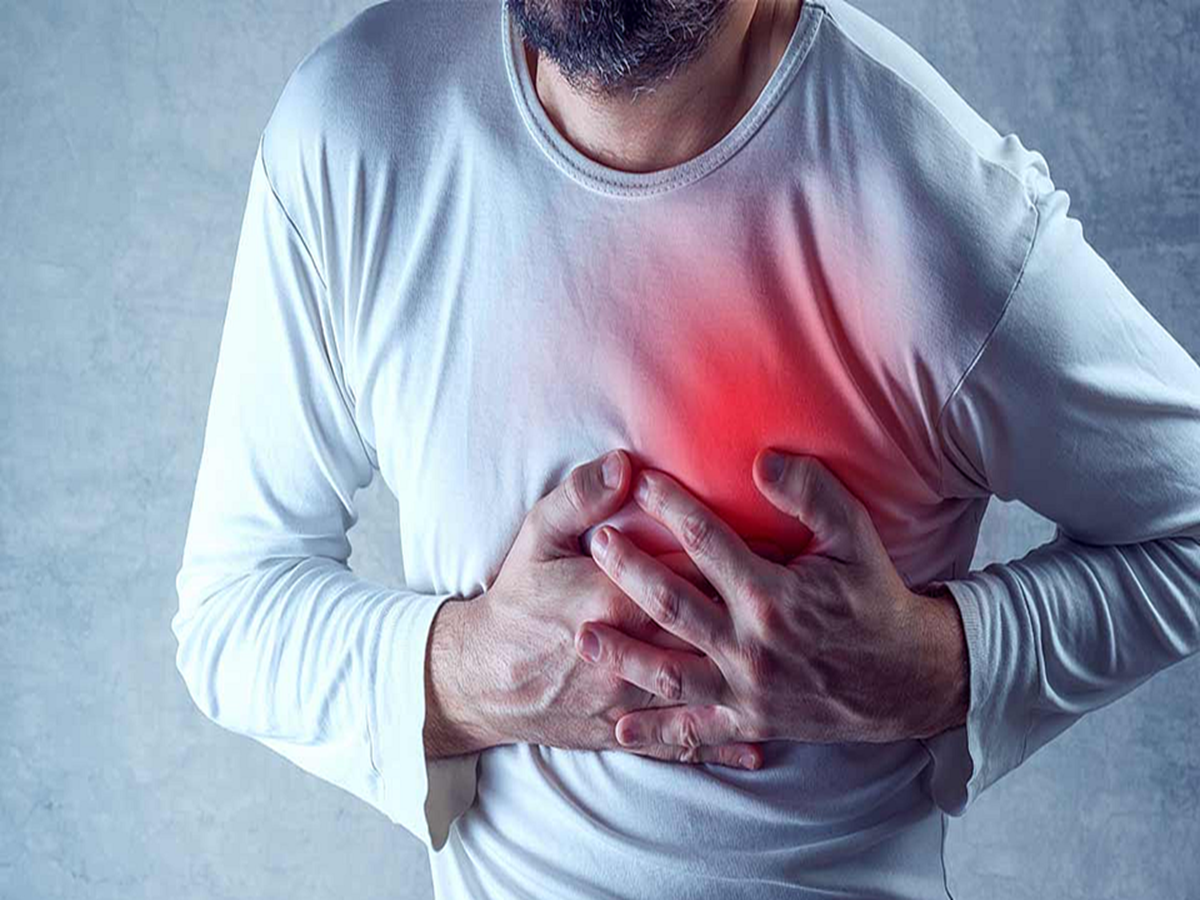
According to health experts, vitamin K is a fat-soluble vitamin and activates several important proteins in the body. In particular, it plays a crucial role in blood clotting. When vitamin K is deficient in the body, even minor injuries can cause excessive bleeding. Frequent nosebleeds, bleeding gums, or unexplained blue marks on the body can be major signs.
Vitamin K is also crucial for bone strength. It helps form a protein called osteocalcin, which binds calcium to bones. When vitamin K levels in the body decrease, calcium cannot be utilized properly, and bones gradually weaken. This can further increase the risk of osteoporosis, a disease in which bones become weak.
In osteoporosis, bones fracture even with a minor blow or fall.
Vitamin K also plays an important role in maintaining heart health. It prevents calcium from accumulating unnecessarily in the arteries. If vitamin K is deficient, calcium can accumulate in the artery walls, hardening them. This affects blood flow and increases the risk of heart disease. Therefore, vitamin K is also linked to heart protection.
Vitamin K is especially important for newborns. At birth, infants have very low levels of vitamin K in their bodies, and their intestines haven't developed the bacteria that can produce it. This can lead to some children developing a serious condition called hemorrhagic disease of the newborn, which poses a risk of internal bleeding. To prevent this potential risk, newborns are given a vitamin K injection immediately after birth to ensure adequate levels.
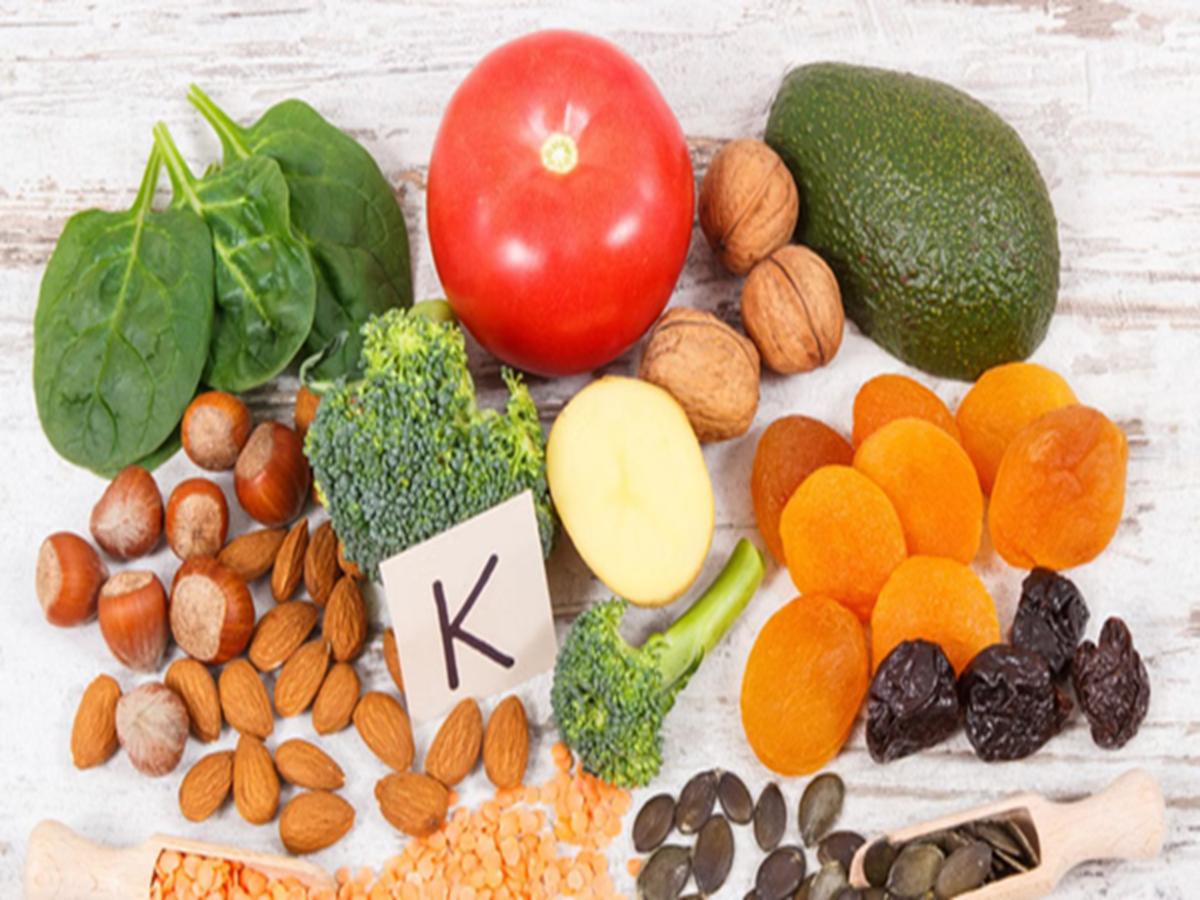
Now the question is, how can vitamin K deficiency be addressed? To address vitamin K deficiency, include green, leafy vegetables in your diet. Eat vegetables like spinach, kale, broccoli, cabbage, Brussels sprouts, mustard greens, turnip greens, and lettuce. These are good sources of vitamin K1. For vitamin K2, include fermented soy, cheese, egg yolks, and fermented dairy products. If the deficiency is severe, consult a doctor and consider a vitamin K supplement or take an injection.
PC Social Media