LIFESTYLE
Do not make these 5 mistakes—even inadvertently—on the day of Santan Saptami; otherwise, the fruits of the worship could go to waste..
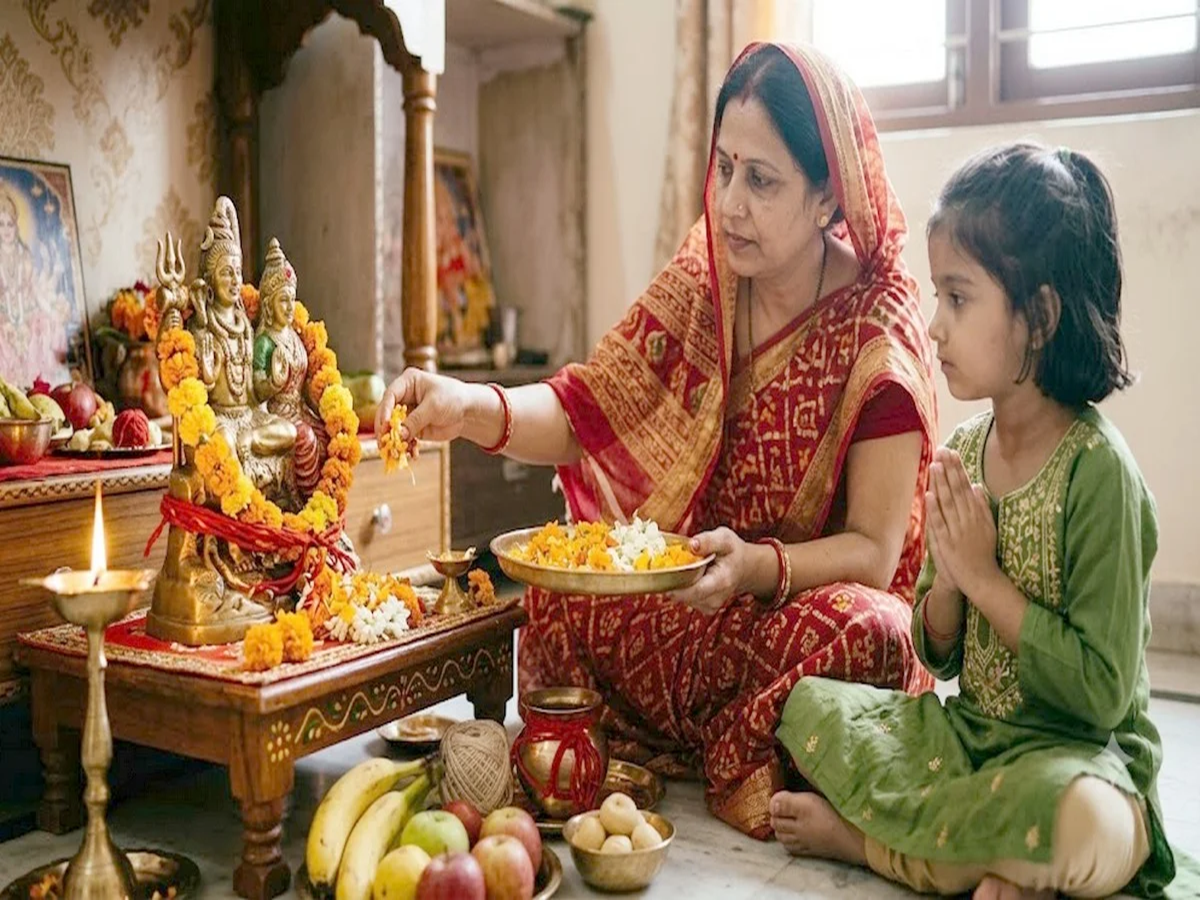
Santan Saptami is one of the major fasts and festivals in Hinduism; it is observed annually on the *Saptami* (seventh day) of the bright fortnight (*Shukla Paksha*) of the Bhadrapada month. Mothers observe this fast to pray for the safety and good health of their children, primarily worshipping Goddess Parvati and Lord Shiva.

On this day, a day-long fast is observed for the well-being of one's children, and a sacred thread with seven knots is offered. Additionally, seven *puris* (deep-fried flatbreads) should be offered to Lord Shiva and another seven to Goddess Parvati as *bhog* (ritual offering).
This year, the Santan Saptami fast falls on September 18. Along with the worship, it is advised to follow certain rules to ensure the ritual yields its full benefits and to secure the blessing of longevity for one's children. Let us look at the activities that are prohibited on this day.
**Avoid *Tamasic* Food at All Costs**
If you are observing the Santan Saptami fast, you should consume only *Sattvic* food throughout the day. If you are fasting, stick to *Phalahar* (fruit-based diet); even if you are not fasting, it is essential to avoid *Tamasic* food. Do not include garlic or onion in your meals on this day under any circumstances. If you consume *Tamasic* items while performing the ritual, the worship is not considered acceptable.
**Observing the Fast Without Making a Formal Vow (*Sankalp*)**
Making a formal vow (*Sankalp*) is crucial for any fast. If you begin the Santan Saptami fast without making this vow, you do not reap its full benefits.
You should always complete this fast with a vow. If you fast all day and break it the following day, your vow should reflect that intention. Many people break the fast on the same day after performing the ritual worship; you should make your vow regarding the worship and the fast accordingly.
**Worship Is Incomplete Without the Ritual Story (*Katha*)**
Many people perform the Santan Saptami worship in haste but fail to read or listen to the ritual story (*Vrat Katha*). Doing so prevents one from receiving the full spiritual benefits of the fast. Whenever you recite the *Santan Saptami Vrat Katha* (the story associated with the fast) as part of the worship, you should conclude the ritual by performing *Aarti* and distributing *Prasad*.
**Not tying the sacred thread**
During the *Santan Saptami* worship, it is essential to use a thread with seven knots; mothers should tie this thread around their wrists after the ritual. Ideally, one should wear this thread for a full year, but if that is not possible, you must wear it for at least seven days. Failing to tie the thread on your wrist after the worship means you will not receive the full benefits of the ritual.
**Using scissors or needles during the fast**
While the use of sharp objects is generally prohibited during any fast, you must strictly avoid using sharp items—such as scissors or needles—on the day of the *Santan Saptami* fast. You should also refrain from sewing clothes on this day.
If you observe the *Santan Saptami* fast, you should avoid the mistakes mentioned here to ensure you reap the full spiritual benefits of the worship and the fast.
PC Social Media