Food & recipe
Could your tomato sauce be adulterated? Use these 4 methods to test it before giving it to your child..

Whether it’s samosas, pakoras, or children’s favorite aloo paratha, everything feels incomplete without tomato ketchup or sauce. Children often ask for sauce with almost everything, and we readily oblige to keep them happy.
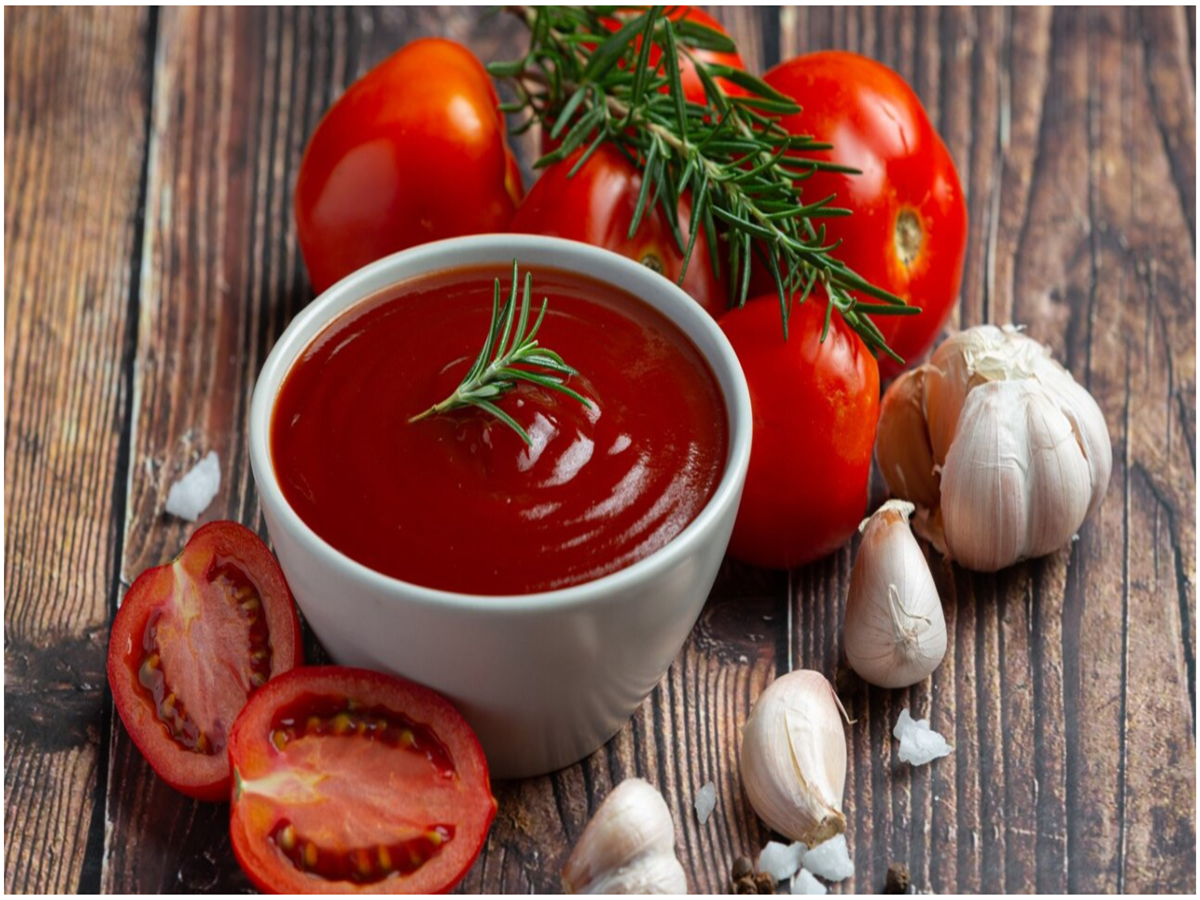
However, have you ever considered whether the thick, red sauce you so lovingly serve your children might actually be a 'slow poison'? Nowadays, the market is flooded with counterfeit and adulterated sauces—products that contain nothing but dangerous chemicals and artificial colors, despite being labeled as 'tomato' sauce.
Instead of tomatoes, these adulterated sauces often contain pumpkin or bottle gourd pulp, excessive sugar, corn syrup, artificial colors, and preservatives—all of which can cause serious harm to a child’s delicate, developing body. Regular consumption can lead to issues like obesity, tooth decay, allergies, and various digestive problems.
There is no need to panic, though. Let’s look at how you can easily distinguish between genuine and fake sauce right at home in just a few minutes.
The Glass Plate Test
Take a clean glass plate and place a few drops of the sauce on it. Tilt the plate slightly. If the sauce is adulterated, the water content will quickly separate and flow downward rapidly. In contrast, if the sauce is made from real tomatoes, it will remain thick, flow slowly, and the water will not separate.
Checking for Artificial Colors Using Water
To make sauces appear bright red and appealing, manufacturers often add harmful chemical dyes. To test for this, add a spoonful of the sauce into a glass of water. If the sauce immediately begins to bleed its color, turning the water red, it is a clear sign that chemical dyes have been added. Genuine tomato sauce does not release its color into water so quickly.
Iodine Test
Arrowroot or cornstarch is often added to thicken sauces. To test for this, take a small amount of the sauce and add a few drops of an iodine solution. If the sauce turns dark blue or black, it indicates a significant presence of starch.

Pay Attention to Taste and Aroma
Authentic tomato ketchup has the subtle tanginess and natural aroma of tomatoes. Counterfeit or adulterated sauce, on the other hand, may taste excessively sharp or sweet and often carries a strong chemical odor or an overpowering smell of vinegar. Sometimes, extra sugar and artificial flavorings are added to mask the sweetness of pumpkin (often used as a filler).
Do not compromise on your children's health. Always purchase sauces from reputable, trustworthy brands, and be sure to read the list of ingredients on the packaging. If possible, making sauce for your children at home using fresh tomatoes is the safest option.
PC Social Media