Parenting
Constantly saying "well done" to your child could backfire; this mistake regarding praise in parenting might prove counterproductive..
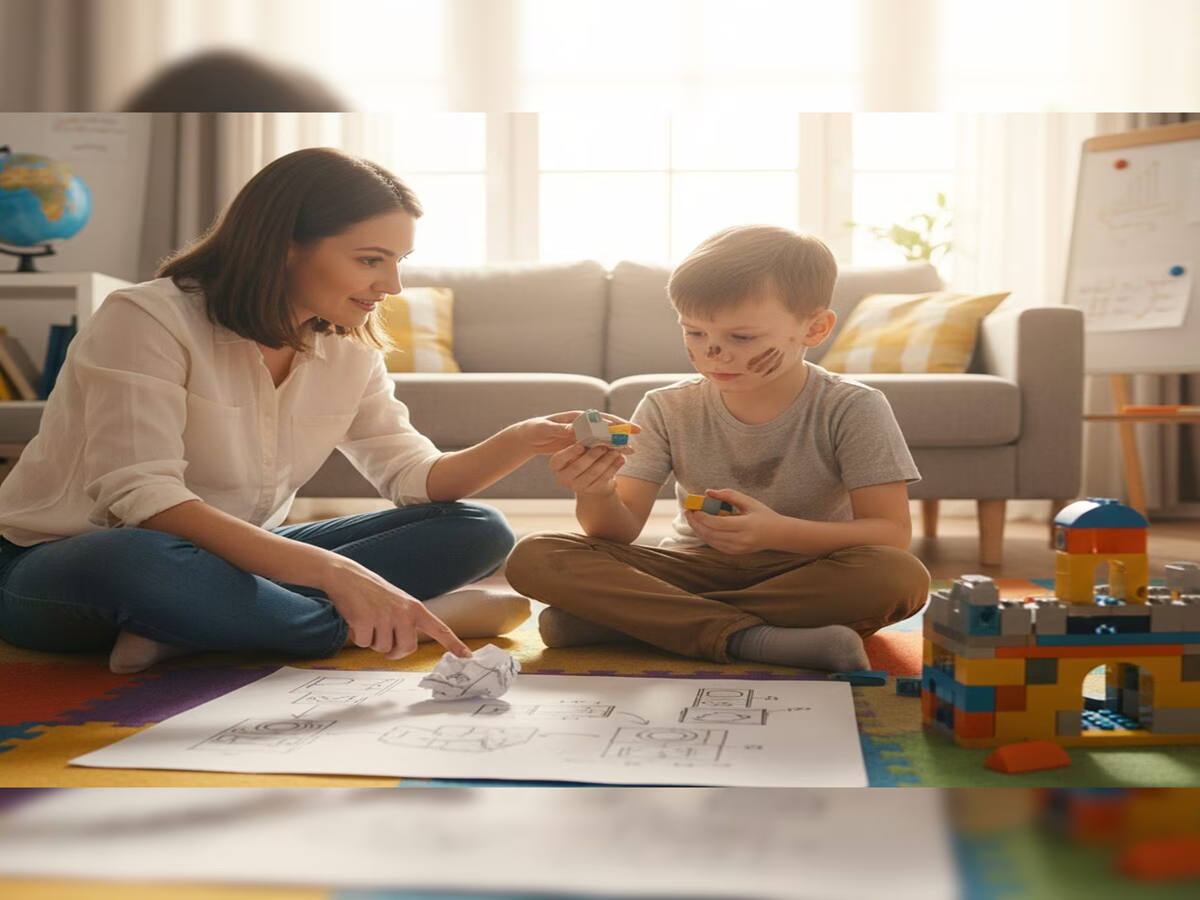
Parenting Praise: When a child brings home a drawing, we immediately say, "Wow, you are such a great artist." When they finish their homework, they hear, "You are so smart." Offering praise for even a small effort seems like an easy way for parents to show love. After all, what could be better than boosting a child's self-confidence? However, psychological research on parenting praise points to an interesting distinction.
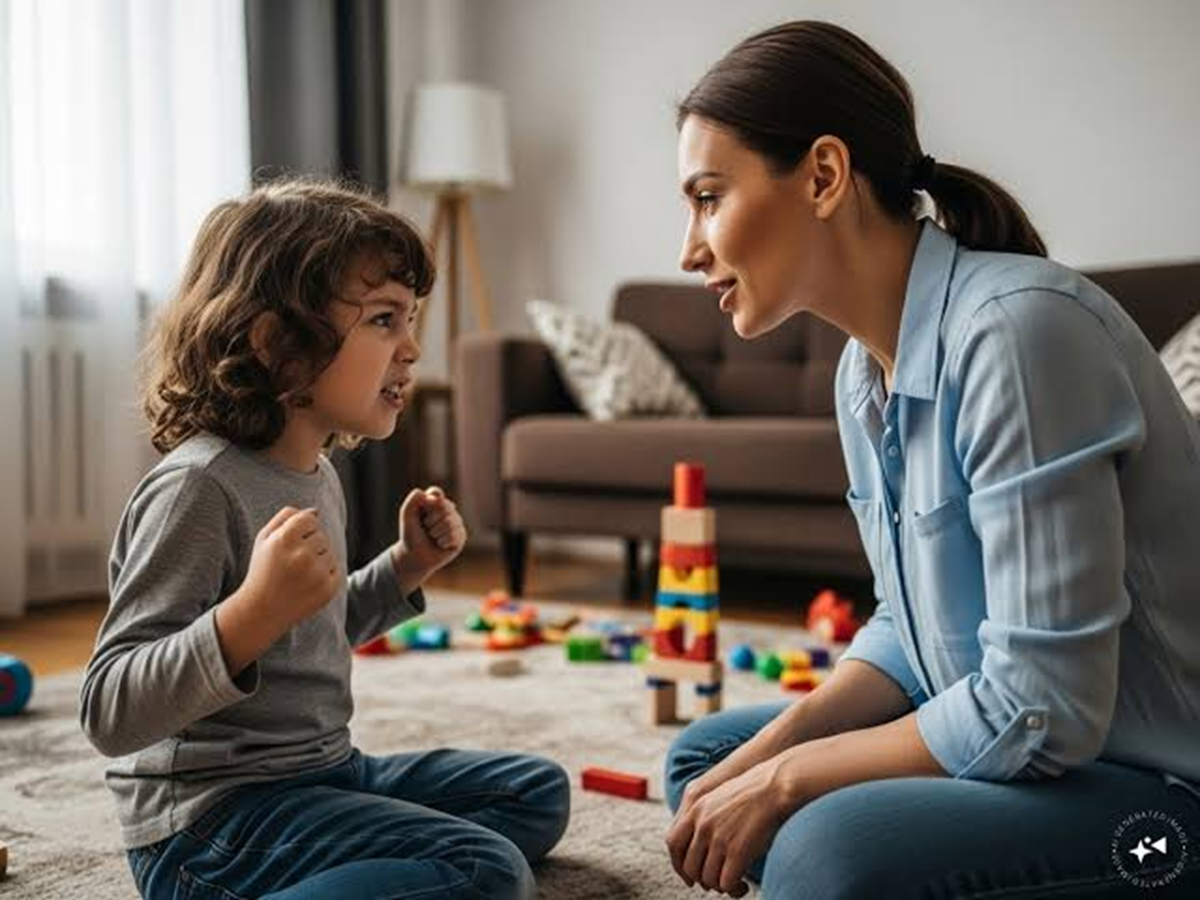
Praising a child is not wrong; what matters is *what* is being praised. Instead of offering the same type of praise after every task, it can be more beneficial to focus on the child's hard work, methods, and effort.
Not all praise is created equal
Parents often encourage their children by saying things like, "You are so smart," "You are a genius," or "You are the best." These statements sound very positive. However, psychology distinguishes between "person praise" and "process praise." Person praise refers to praising a child's innate ability or personality—such as saying, "You are very smart." In contrast, process praise focuses on the child's approach to a task. For example, "You put a lot of effort into solving this problem" or "You tried to understand the difficult part by reading it again."
According to the American Psychological Association, praising children for their effort and problem-solving strategies can encourage them to persevere in difficult situations and take on challenges.
The issue may lie not in the praise itself, but in how it is delivered
Constantly praising a child is not inherently wrong. The real question is how precise and meaningful the praise is. If a child hears "very good" for everything—big or small—generic praise may eventually lose its informative value for them.
In a study published in 2025, researchers found that even children as young as 4 or 5 can understand the extent to which praise is linked to the quality of their work. In other words, for children, simply hearing praise is not the only thing that matters. They also begin to understand what the praise actually conveys about their work. For instance, if a child is trying to balance on a bicycle for the first time, saying "You got back up and tried again after falling" acknowledges their effort, rather than simply saying "You are very good."
What changes when you say, "You are very smart"?
Repeatedly praising a child for their intelligence or talent can lead them to believe that success is the result of an innate, fixed ability. Consequently, if that same child gets stuck on a difficult question or scores lower than expected on an exam, they might conclude that they aren't actually that smart.
Making praise more effective in parenting
Suppose a child solves a puzzle. Instead of saying, "Wow, you are so quick," you could say, "You found the right spot after trying out several pieces." This helps the child understand that their effort and approach play a role in achieving success.
Similarly, when they get good grades, instead of just praising the numbers, you could ask about the study methods they used. If a child colors a picture, along with saying "It's beautiful," you might add, "You carefully chose your colors and filled in the entire picture with great attention." Such praise teaches the child to focus on the process, not just the outcome.
Adjusting your language when mistakes happen
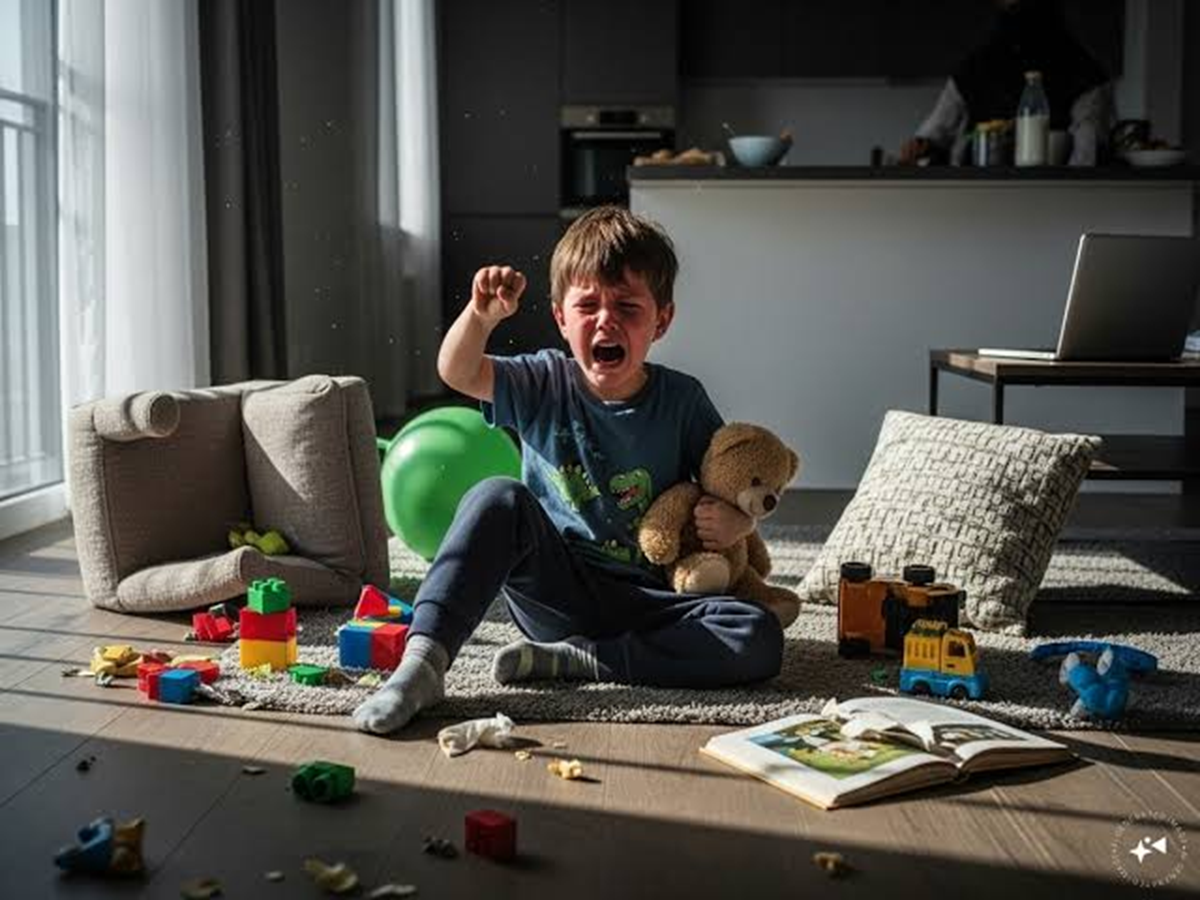
When a child makes a mistake, the right response is more important than the absence of praise. If they get a math problem wrong, saying something like "You aren't good at math" can make them equate the error with their inherent ability. Instead, you could ask, "Where did you get stuck? Let's try a different approach and see." This way, the mistake is viewed as part of the learning process rather than a reflection of the child's identity. Research has also linked "process praise" to children's willingness to take on challenges and persist in their efforts despite difficulties.
PC Social Media