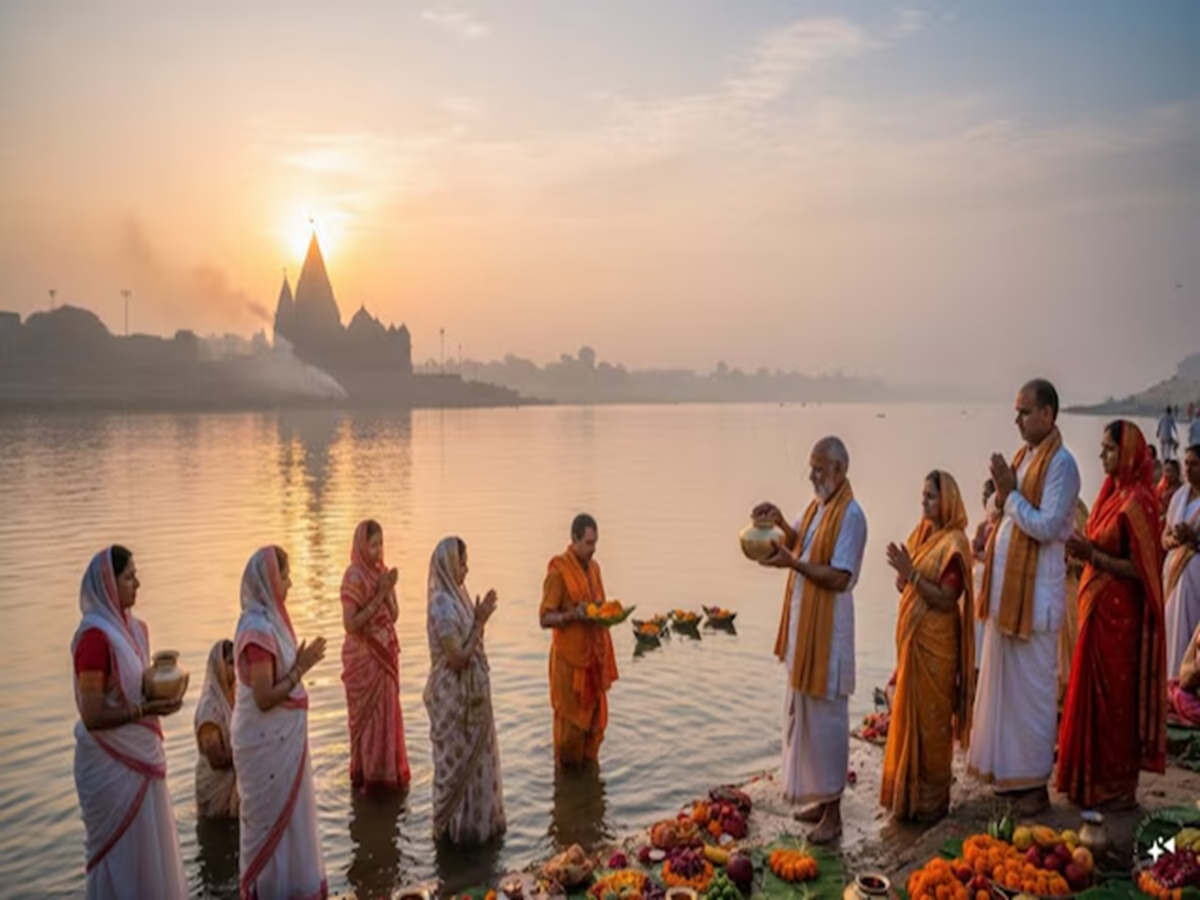
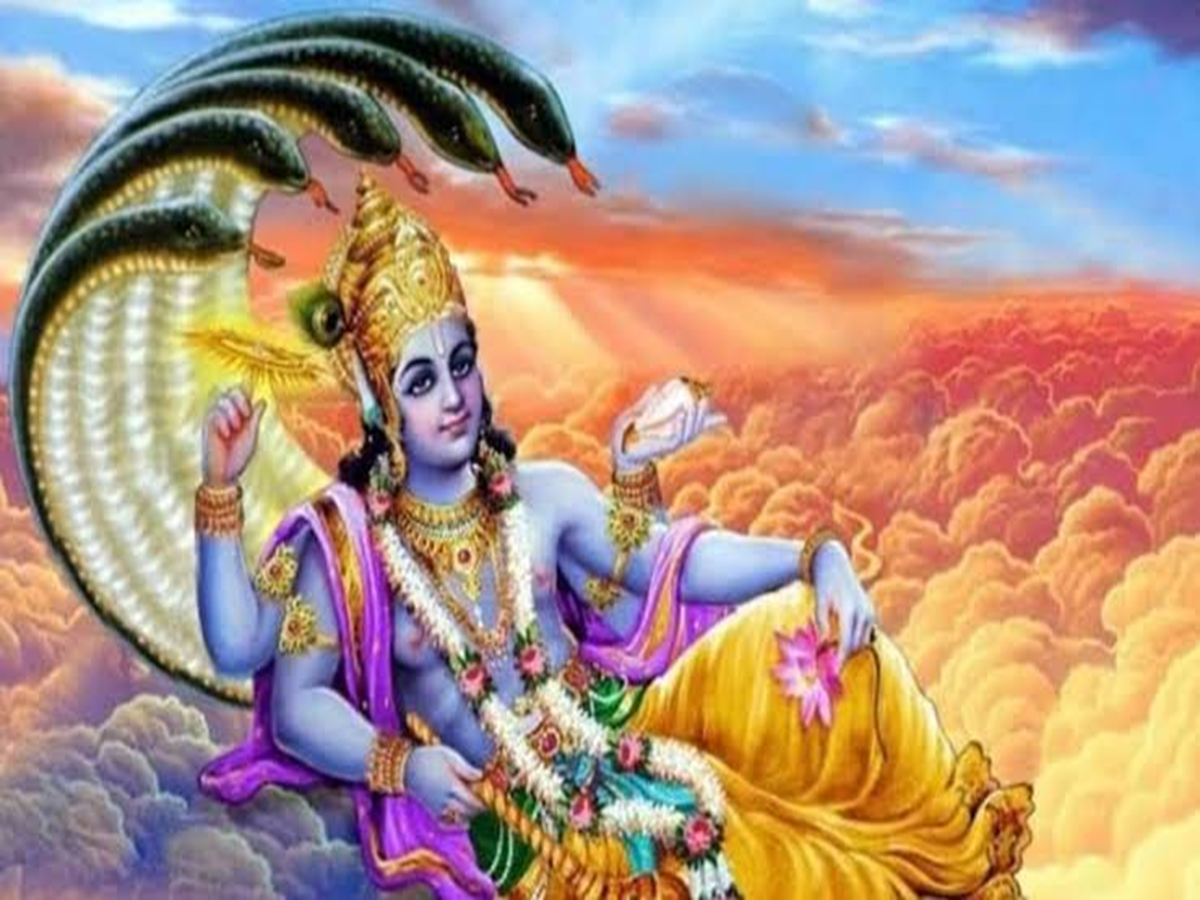
Rules for Chaturmas Pilgrimage: The period spanning from the month of Shravan to Kartik is considered extremely sacred in Hinduism; these four months are known as Chaturmas. While people today embark on pilgrimages in large numbers during Shravan, Janmashtami, or Ganesh Utsav, the scenario was quite different just a few decades ago. Whether for ascetics or ordinary householders, undertaking long pilgrimages during Chaturmas was considered virtually taboo. Religious belief holds that during this time, Lord Vishnu enters a state of *Yoganidra* (divine slumber), and sages remain in one place to perform spiritual practices (*sadhana*).
There were also practical reasons related to weather, health, and nature behind this custom. Why did the tradition of halting travel for four months originate, and what is its significance today? Let us understand this in detail.
What is Chaturmas, and when does it begin?
Chaturmas begins on *Ashadh Shukla Ekadashi*—known as *Devshayani Ekadashi*—and continues until *Kartik Shukla Ekadashi*, or *Devutthana Ekadashi*. These four months are regarded as the period of Lord Vishnu's rest. According to religious scriptures, auspicious ceremonies are restricted during this time; instead of weddings, housewarming ceremonies, or grand celebrations, greater emphasis is placed on worship, chanting (*japa*), penance (*tapa*), fasting, and introspection.
Why did sages and ascetics not undertake pilgrimages during Chaturmas?
Performing spiritual practice while staying in one place
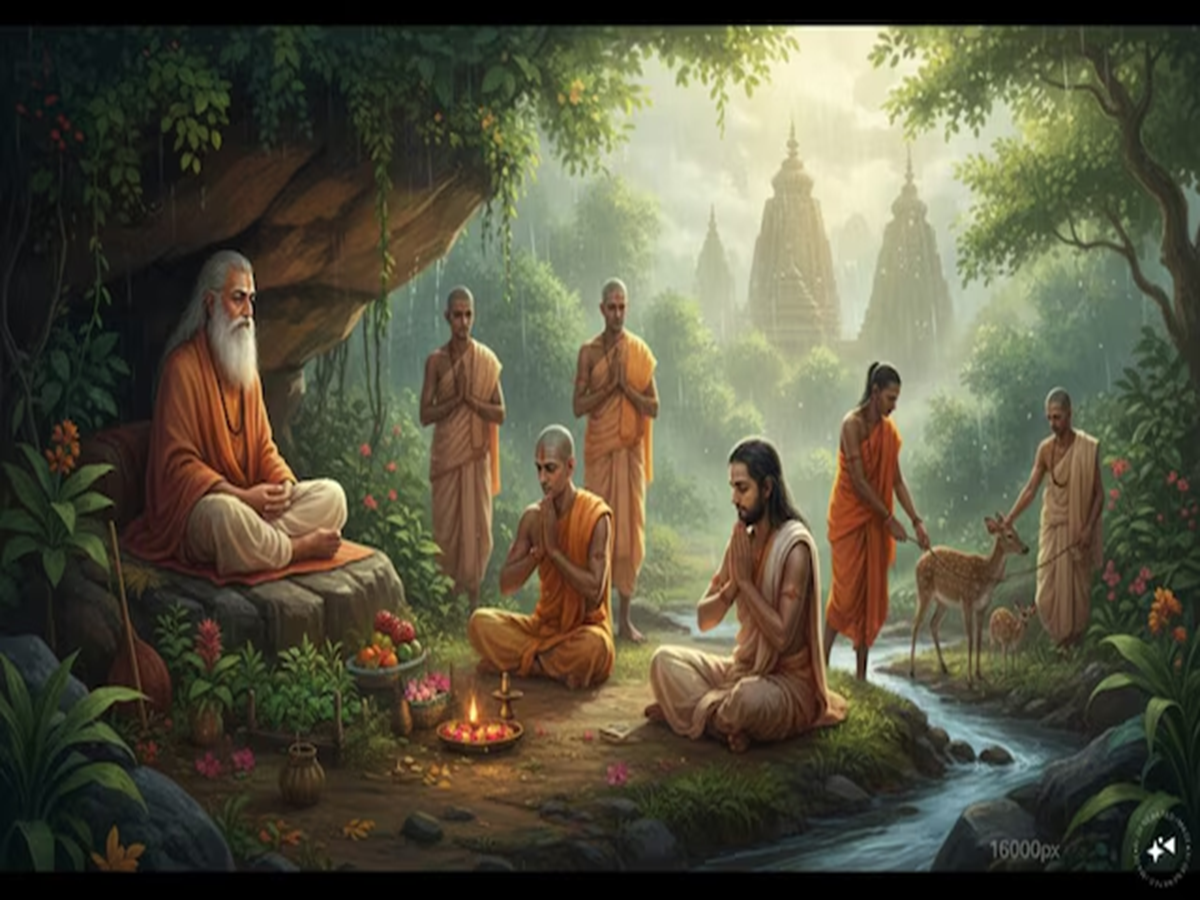
In the Sanatan tradition, sages and ascetics would travel throughout the year, spreading the message of Dharma. However, as soon as Chaturmas began, they would settle in an ashram, temple, or village. This practice is known as the *Chaturmas Vrat* (vow) or *Varshavas* (monsoon retreat). It is believed that stabilizing the mind and senses to engage in spiritual practice during these four months—rather than constantly traveling—fosters spiritual growth. During this period, special traditions involving the study of scriptures, religious discourses, and meditation were observed.
Belief regarding Lord Vishnu's *Yoganidra*
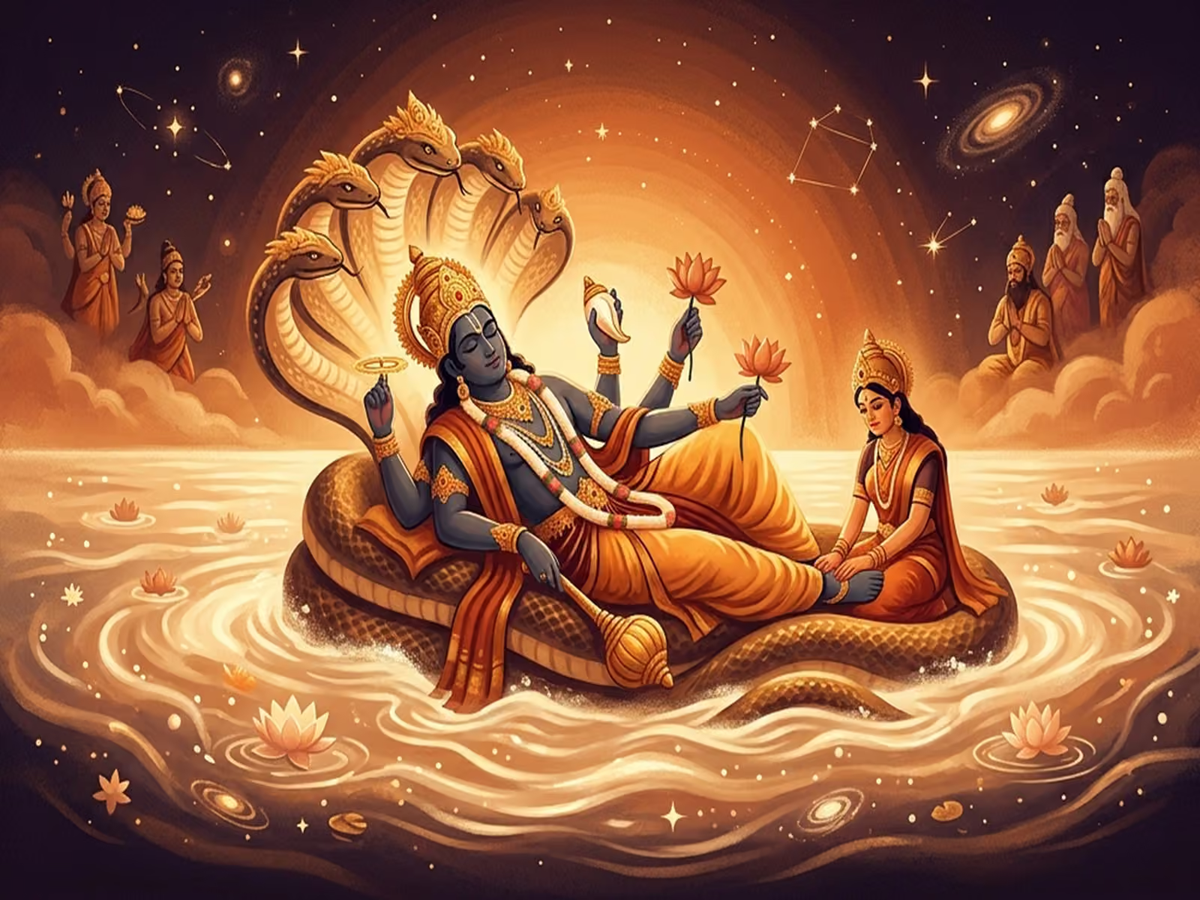
The Puranas state that starting from *Devshayani Ekadashi*, Lord Vishnu enters a state of *Yoganidra* in the *Kshir Sagar* (Cosmic Ocean of Milk). Consequently, greater emphasis was placed on devotion and restraint rather than external activities during this period. Sages and ascetics would also halt their travels, regarding this as a time of rest for the Divine.
Why did this tradition apply to the general public as well?
The rainy season was the primary reason.
In earlier times, there were neither proper roads nor modern modes of transport. *Chaturmas* coincides entirely with the monsoon season. Traveling through heavy rains, swollen rivers, mud, and forests was extremely difficult and hazardous. Undertaking pilgrimages under such conditions increased the risk to life and property. Therefore, religious guidelines advised people to stay at home or within their local vicinity to offer prayers.
A message of protecting small creatures
During the rainy season, countless small creatures and insects emerge on the earth. There was a high probability of crushing them while traveling on foot. Upholding the principle of non-violence (*ahimsa*), sages and ascetics refrained from traveling during this season. This tradition also conveys a message of sensitivity towards nature and living beings.
The scientific perspective behind the religious rule
The tradition of *Chaturmas* was not limited to faith alone. Ayurveda states that digestive power weakens during the rainy season. There is also a heightened risk of infections and waterborne diseases during this time. Maintaining the purity of food and water while traveling was difficult. Thus, people were advised to practice dietary restraint, observe fasts, and minimize travel. This was also considered beneficial for health.
Is it wrong to undertake a pilgrimage during *Chaturmas* today?
Circumstances today are different from the past. Facilities for road, rail, and air travel are available; consequently, huge crowds of devotees visit famous pilgrimage sites during *Chaturmas*. Millions of devotees visit places like the *Kanwar Yatra*, *Amarnath Yatra*, Ujjain’s Mahakal temple, Vrindavan, and various other holy sites during this period. Religious leaders believe that pilgrimage is not strictly prohibited during *Chaturmas*, but the primary objective of this period is an inward journey—focusing on self-restraint, devotion, and spiritual practice—rather than external travel. If one does travel, it should be done with reverence and adherence to rules and restraint.
PC Social Media