
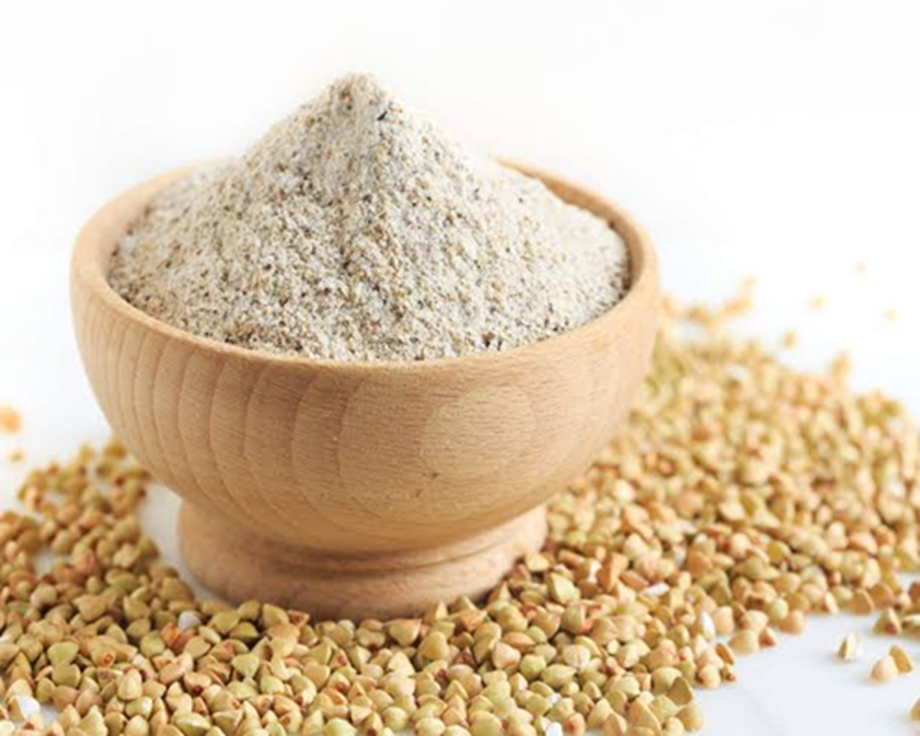
Be it Navratri, Shivratri, or any other fast, the first thing that comes to our mind is buckwheat puris or pakodas. But have you ever wondered why buckwheat flour is used during fasts, leaving aside all other grains? Is this just a tradition, or is there a scientific reason behind it (Why is buckwheat consumed in Navratri)? Let's understand this in detail and find out why it is so beneficial for our bodies.
What is buckwheat flour?
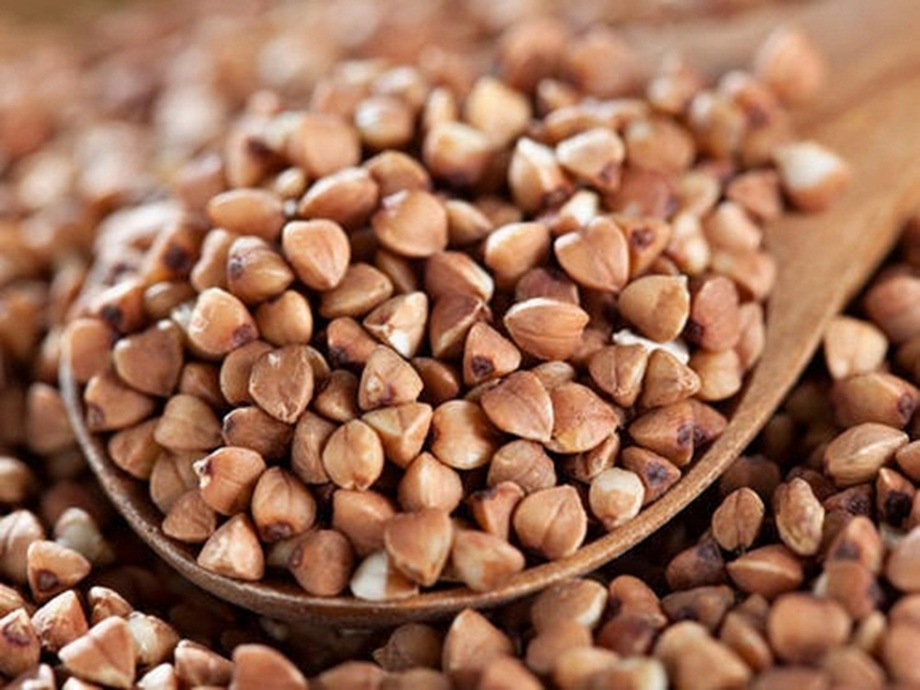
Buckwheat flour isn't actually made from any grain. If you think it's like wheat, rice, or barley, you're wrong. Buckwheat is a type of fruit called buckwheat. It grows on a plant with red stems and white or pink flowers. When the plant fully ripens, it bears small, triangular fruits. These fruits are dried and ground to make buckwheat flour. This is why it is not classified as a grain and is consumed during fasting.
How is buckwheat flour prepared?
The process of making buckwheat flour is very simple. First, when the buckwheat plants are fully ripe, their triangular fruits are collected. After thoroughly cleaning these fruits, they are dried in bright sunlight. Care is taken to ensure that the fruits are free of any moisture, as moisture can cause the flour to spoil quickly.
Once the fruits are completely dry, they are ground in machines or traditional mills. After this process, we obtain a fine brown powder, which we call buckwheat flour. This flour is readily available in the market, but if you prefer, you can also bring these fruits home and grind them.
Why is buckwheat flour eaten during fasting?
Buckwheat flour is the most popular food option eaten during fasting, and there are several reasons behind this:
Religious Reasons: According to Indian tradition, only sattvic foods are consumed during fasting. Because buckwheat is considered a fruit, not a grain, it is compatible with the rules of fasting. This is why people consume it, considering it religiously pure.
Gluten-Free: Buckwheat flour is gluten-free, making it different from wheat. It is an excellent option for those who are allergic to gluten or who want to eliminate gluten from their diet.
Source of Energy: During fasting, the body needs extra energy to prevent weakness. Buckwheat flour is a good source of carbohydrates, which provide energy to the body slowly and keep the stomach feeling full for a longer period of time.
Nutrient Power: This flour is not only beneficial for fasting, but also for health. It is rich in nutrients like protein, fiber, magnesium, iron, and vitamin B-complex. All these nutrients help maintain a healthy body.
Ease of digestion: The fiber content in buckwheat makes it easy to digest. During fasting, when digestion slows down, buckwheat flour helps keep the stomach light and prevents problems like indigestion or bloating.
PC Social media