LIFESTYLE
Bloating: Why does your stomach bloat even after eating a small amount? Find out the 6 major causes of bloating..
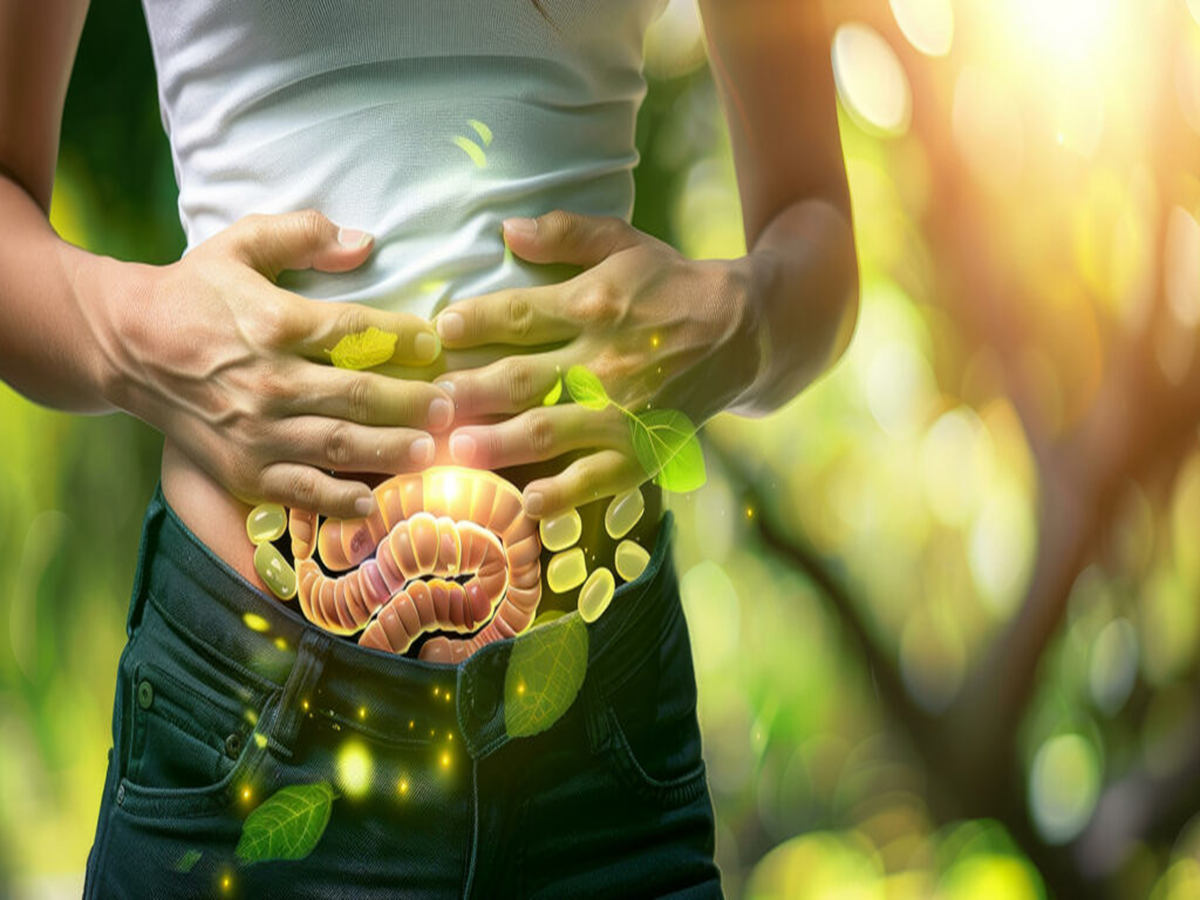
Why Is Your Stomach Bloated? If your stomach often feels bloated or heavy despite eating small amounts, there could be several reasons for this. Bloating is a common issue, often caused by dietary habits or minor digestive troubles. However, persistent bloating should not always be dismissed as a trivial matter.
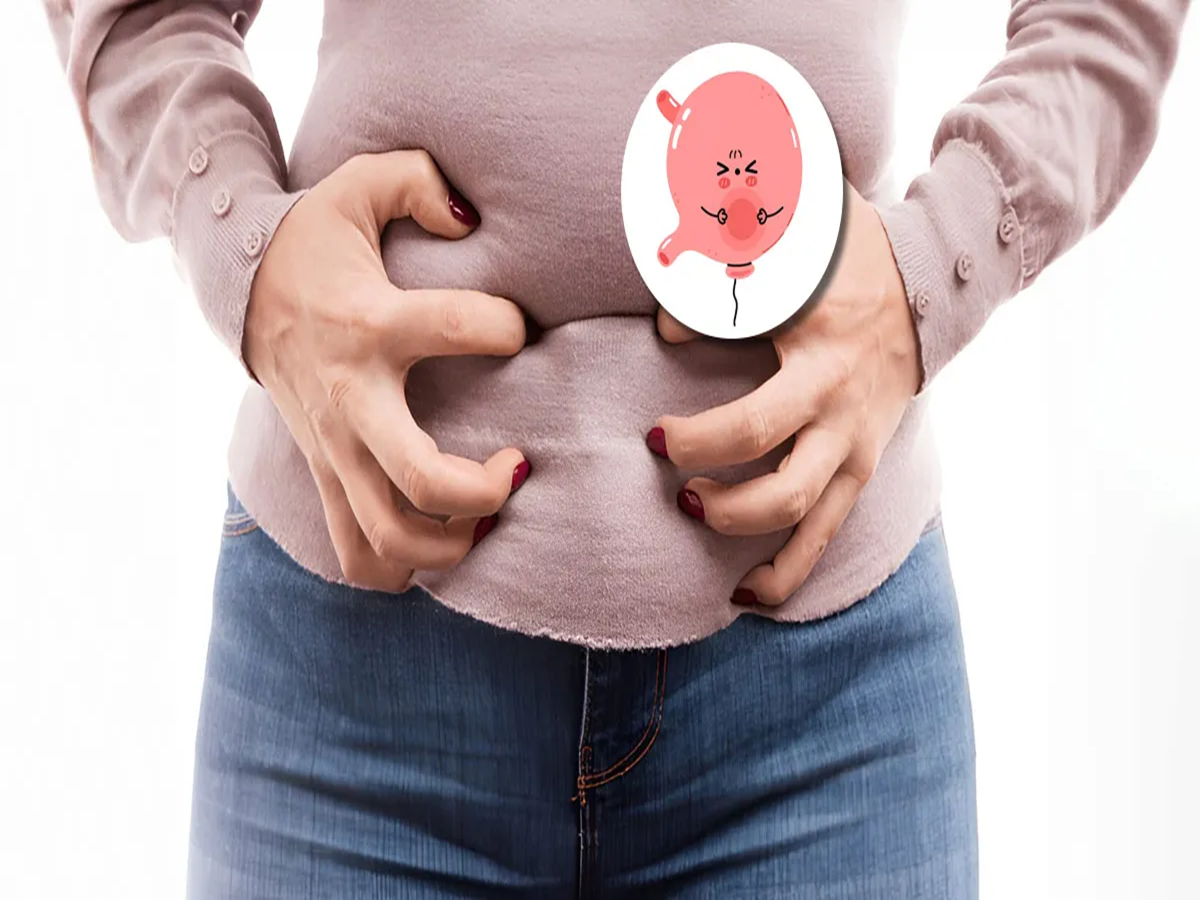
It is important to consult a doctor if bloating is accompanied by symptoms such as stomach pain, vomiting, weight loss, blood in the stool, or chronic constipation. Let us explore the reasons why the stomach might bloat even after a light meal and what measures can be taken to find relief.
Common Causes of Bloating
1. Eating Too Quickly
Eating very rapidly can cause a person to swallow excess air, leading to gas and bloating. Therefore, it is better to eat slowly and chew food thoroughly.
2. Gas-Producing Foods
Certain foods can cause gas to build up in the intestines. For instance, beans, chickpeas, kidney beans, specific vegetables, and carbonated drinks can increase bloating in some people.
3. Constipation
When constipated, stool remains in the intestines for a prolonged period, which can make the stomach feel heavy, tight, or bloated.
4. Food Sensitivities
Some individuals may struggle to digest certain components found in milk or other foods. In such cases, consuming these foods can lead to gas, bloating, or abdominal discomfort.
5. High Salt Intake
Consuming excessive sodium can cause water retention in the body, leading to a sensation of swelling or bloating in the stomach or other areas.
6. Hormonal Changes During Menstruation
Women may experience water retention and bloating due to hormonal fluctuations associated with their menstrual cycle. What can be done to relieve bloating?
Eat slowly and chew your food thoroughly.
Drink plenty of water.
Avoid consuming excessive amounts of carbonated drinks.
Include a balanced amount of fiber in your diet.
Engage in regular physical activity.
Do not ignore constipation.
Consult a doctor if bloating consistently occurs after eating specific foods.
Eat balanced portions instead of consuming too much food at once.
When is it necessary to consult a doctor?
Occasional bloating can be normal, but if the problem persists or recurs frequently, it may be necessary to investigate the underlying cause. You should consult a doctor if bloating is accompanied by symptoms such as severe or persistent abdominal pain, frequent vomiting, blood in the stool, unexplained weight loss, persistent constipation or diarrhea, loss of appetite, or difficulty swallowing.
PC Social Media