LIFESTYLE
All girls should definitely get this vaccine before marriage; it will provide protection against a life-threatening disease..
With the rising threat of various diseases globally—and more people developing chronic health issues at a younger age—there is a growing awareness among the public. A common example of this is that, alongside checking horoscopes, people are now increasingly paying attention to the health reports of prospective brides and grooms before marriage.
While pre-marital health preparations often focus on medical check-ups, diet, and fitness, many people remain unaware of a crucial vaccine. Health experts emphasize the importance of awareness regarding the HPV vaccine, which plays a vital role in preventing cervical cancer.
Doctors note that receiving the HPV vaccine at the appropriate age—well before marriage—can protect young women from the risk of developing serious cervical cancer.
Have you received this vaccine?
HPV, or Human Papillomavirus, is a common virus primarily transmitted through sexual contact. Certain strains of this virus, if they persist in the body for a long time, can lead to an increased risk of cervical cancer.
The HPV vaccine can help reduce this risk.
Experts recommend getting vaccinated at a young age, ideally before the onset of sexual activity.
Receiving this vaccine well before the age of marriage can help lower the risk of cervical cancer.
Not every HPV infection leads to cancer; in most cases, the body’s immune system clears the infection on its own. However, some infections can persist for a long period.
Why is it recommended to get vaccinated before marriage?
Dr. Awadhesh Ahirwar explains that the HPV vaccine is most effective when administered before exposure to the virus. For this reason, the World Health Organization (WHO) recommends that girls be vaccinated between the ages of 9 and 14—meaning the ideal time is well before marriage. Getting vaccinated before marriage does not imply that marriage itself is the cause of an infection.
HPV can be transmitted through sexual contact, and the purpose of the vaccine is to protect against potential infection.
While some individuals may benefit from the vaccine even at a later age, getting it promptly is generally more advantageous.
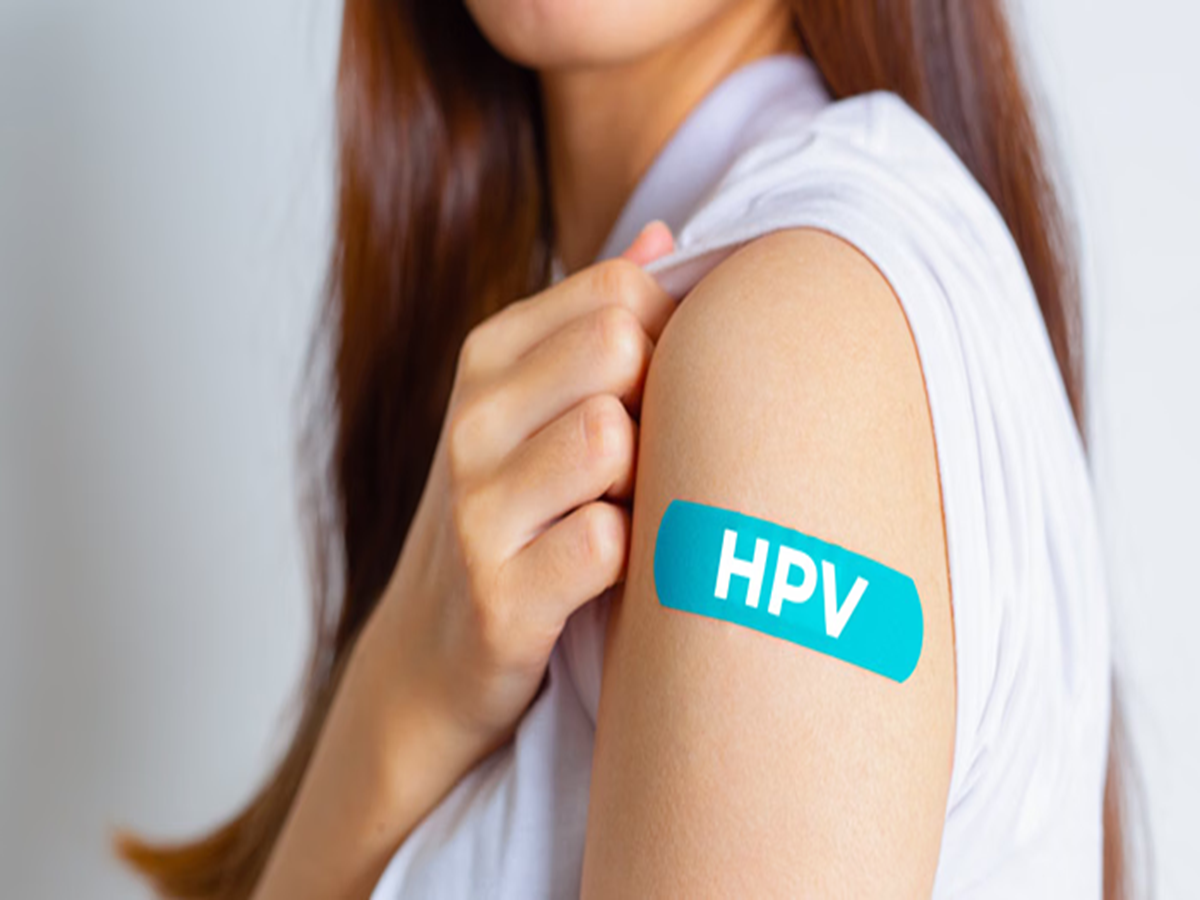
What should you keep in mind before getting vaccinated?
Doctors note that the dosage and timing of the vaccine depend on your age and health status.
It is generally advised not to receive the HPV vaccine during pregnancy.
Men are also at risk of certain HPV infections and associated cancers; therefore, men at higher risk should certainly consider getting vaccinated.
Medical reports indicate that the vaccine cannot treat an existing infection or any cellular changes that have already occurred; in other words, it is still possible to contract an infection even after being vaccinated.
PC Social Media