
LIFESTYLE
Alert: Toxic air is dangerous for the heart—could you be at risk of developing arrhythmia? Learn how to protect yourself..
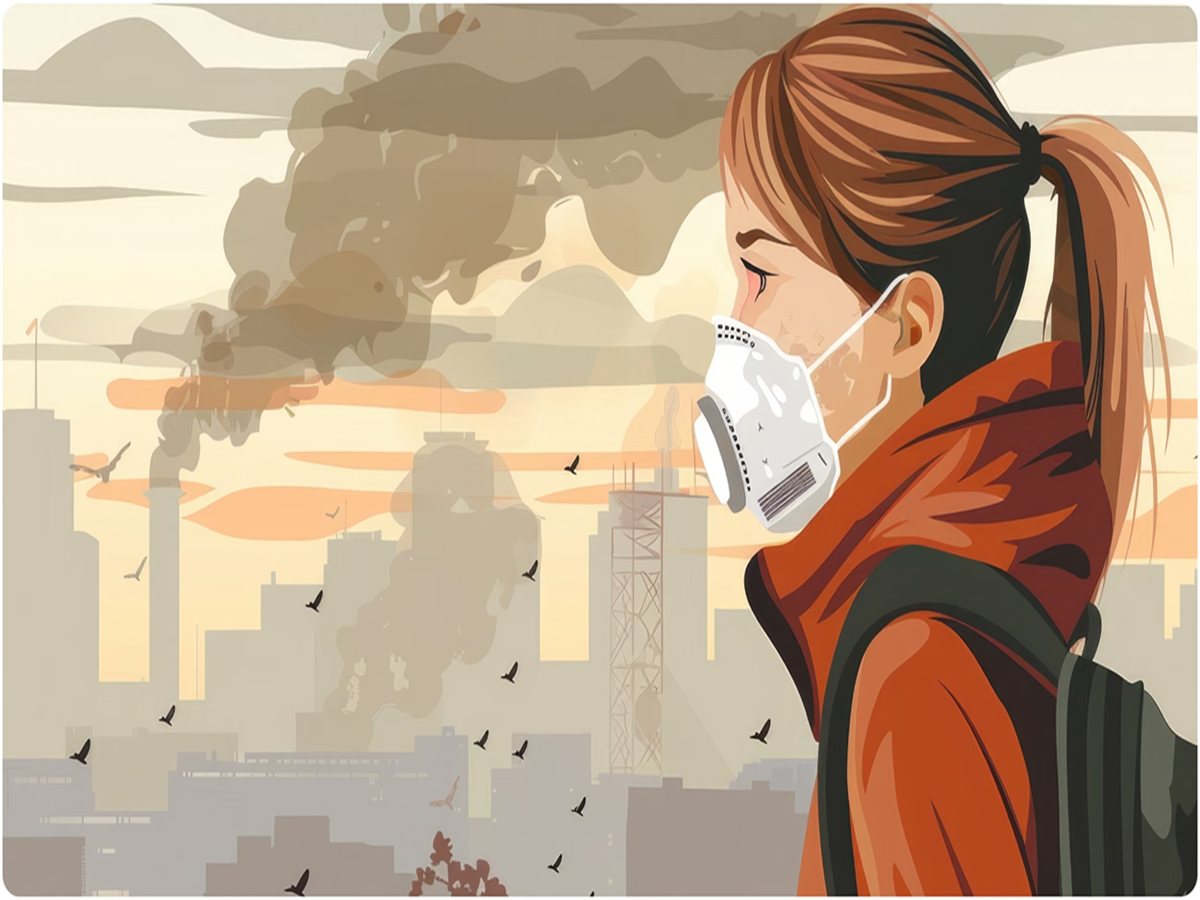
Following Diwali, the threat of air pollution in Delhi appears to be intensifying. Health experts warn that such air quality can lead to a range of serious health issues. Pollution in the air does not merely harm the lungs; it can also adversely affect heart health. While problems like difficulty breathing, coughing, and eye irritation are common consequences of poor air quality, researchers have highlighted another, more danger.

According to scientists, exposure to polluted air can increase the risk of an irregular heartbeat, a condition known as arrhythmia. Of particular concern is the fact that these effects can manifest within just a few hours of exposure to pollution.
Arrhythmia is a condition in which the heart beats faster, slower, or more irregularly than normal. While symptoms may be mild for some, in severe cases, it can increase the risk of life-threatening conditions such as heart failure, stroke, and sudden cardiac arrest.
Given this, it is crucial to remain vigilant about heart health amidst rising levels of pollution.
How does air pollution increase the risk of arrhythmia?
A study conducted in China found that exposure to air pollution can elevate the risk of arrhythmia. Researchers explain that pollutants present in the air can trigger inflammation and oxidative stress within the body. This can disrupt the heart's normal electrical activity, potentially leading to an irregular heartbeat.
Previous studies have also indicated that fine particulate matter from pollution can affect the cardiac function of otherwise healthy adults. This means that it is not just those with pre-existing heart conditions who need to be cautious—healthy individuals should also be wary of the risks posed by pollution.
What did the study reveal?
This study analyzed data from 190,115 patients admitted to hospitals across 322 cities in China.
All these patients were hospitalized due to irregularities in their heartbeat (arrhythmia).
Researchers found that the risk of arrhythmia may increase following a rise in air pollution.
The risk was found to be particularly high in connection with exposure to nitrogen dioxide—a gas primarily released by the burning of coal, petrol, diesel, and other fossil fuels.
What do the experts say?
According to Dr. Renjie Chen, a researcher at Fudan University in Shanghai, the risk of an irregular heartbeat can persist from the first hour of exposure to pollution and continue for up to 24 hours thereafter. Individuals with pre-existing conditions—such as high blood pressure, coronary artery disease, heart failure, or other heart-related ailments—should exercise extra caution during periods of high pollution. The elderly and those suffering from respiratory diseases may also face a higher risk.
What are the signs of arrhythmia?
Arrhythmia can lead to various health issues, including:
A sudden rapid or irregular heartbeat.
Feelings of restlessness or anxiety.
Dizziness or a sensation of impending fainting.
Shortness of breath and weakness.
Fatigue, even without significant physical exertion.

How can you protect your heart from pollution?
When air pollution levels rise, it is advised that everyone take extra precautions:
Limit outdoor activities during such times, and wear a mask if necessary.
Take measures to minimize the entry of polluted air into your home.
Avoid running or exercising outdoors when pollution levels are high.
Do not smoke, and if you have a pre-existing heart condition, ensure you continue taking your prescribed medications as advised by your doctor. Arrhythmia can also lead to serious health problems, so be sure to consult a doctor about it in a timely manner.
PC Social Media