LIFESTYLE
Why is the 'bayana' from a mother-in-law considered so special on Karwa Chauth? Understand the secret linked to good fortune..
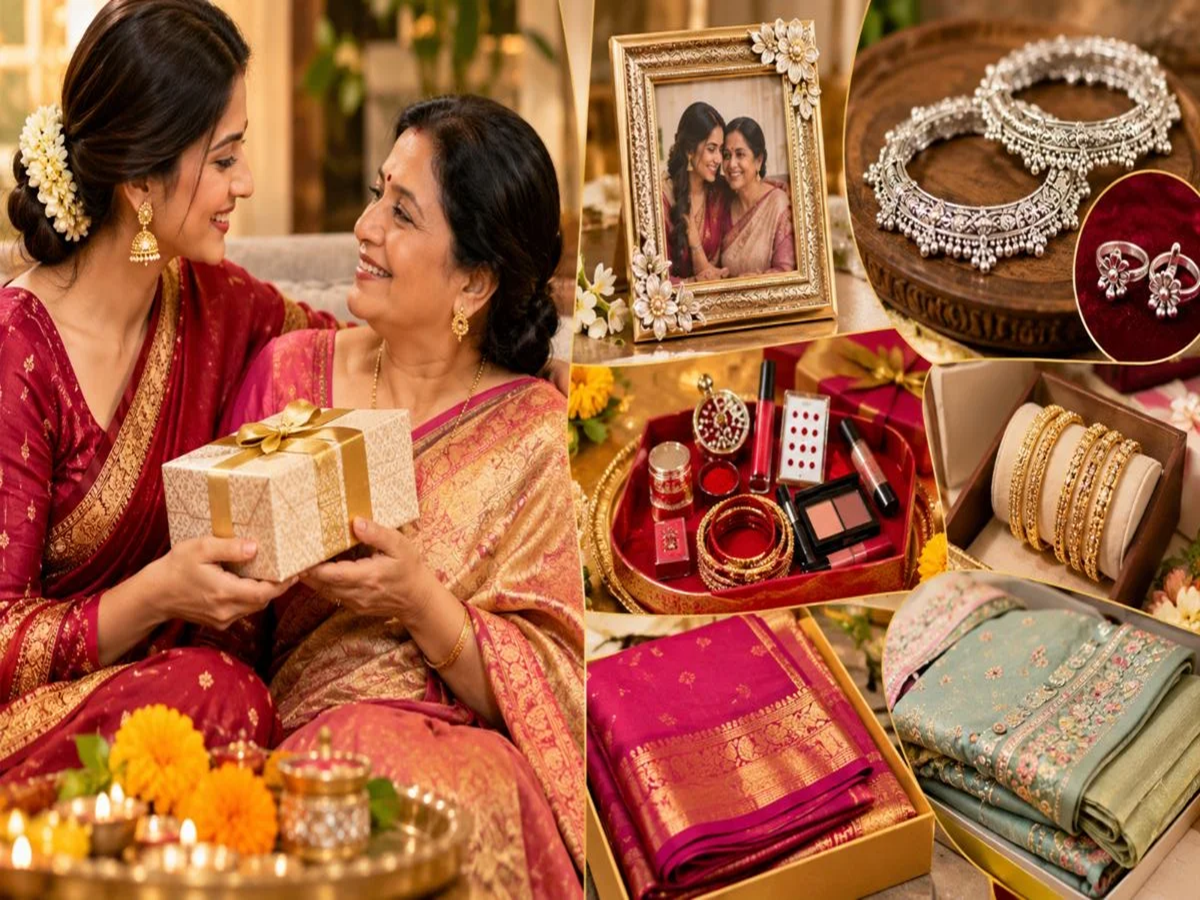
The Karwa Chauth fast holds a special significance in Hinduism; on this day, married women observe a *nirjala* (waterless) fast, praying for a happy and prosperous married life. Along with the fast itself, performing certain rituals is considered equally important.
A key part of the morning is the consumption of *sargi*—a meal prepared and given by a mother-in-law to her daughter-in-law. Another essential tradition is the preparation of *bayana* for the mother-in-law. This ritual is regarded as being just as significant as the fast, and it is observed with great devotion every Karwa Chauth.
This custom symbolizes the love, respect, and warmth shared between a mother-in-law and her daughter-in-law. According to tradition, women observing the fast present *bayana* to their mothers-in-law and seek their blessings.
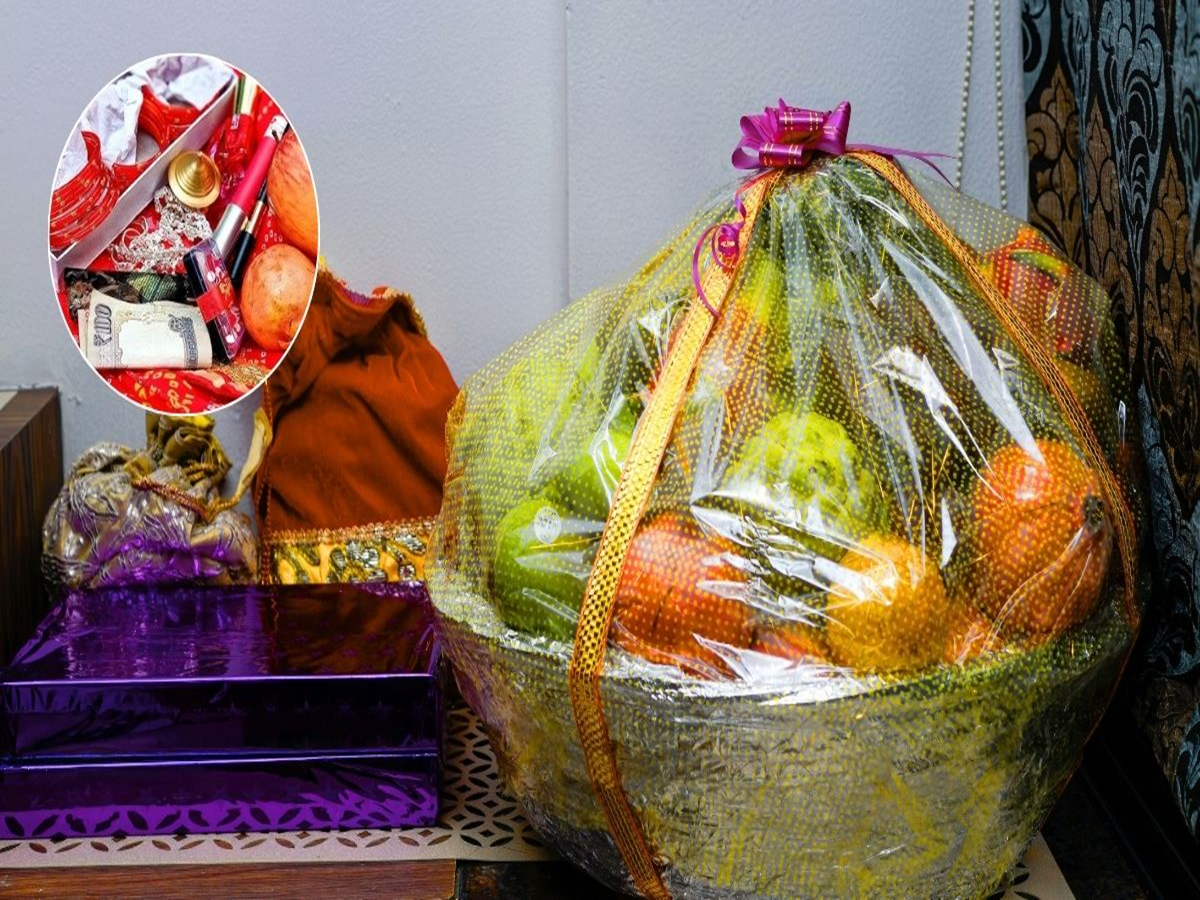
*Bayana* typically consists of items associated with marital status (*suhag*), such as traditional adornments, sweets, fruits, and *dakshina* (a monetary offering). This ritual is primarily observed in the Purvanchal and northern regions of India. Let us explore the tradition of *bayana* and understand why it holds such importance on Karwa Chauth.
Why is *bayana* given to the mother-in-law on Karwa Chauth?
It is believed that by offering *bayana* to the mother-in-law, one receives her blessings and the boon of an enduring, unbroken marital bond (*akhand saubhagya*). This tradition serves as a way to show respect toward the elders of the household, acknowledging their vital importance to the family. *Bayana* is generally presented to a mother-in-law whose husband is still living; in cases where the father-in-law has passed away, the daughter-in-law seeks blessings by touching her mother-in-law’s feet and offering *dakshina*.
What does the *bayana* for Karwa Chauth include?
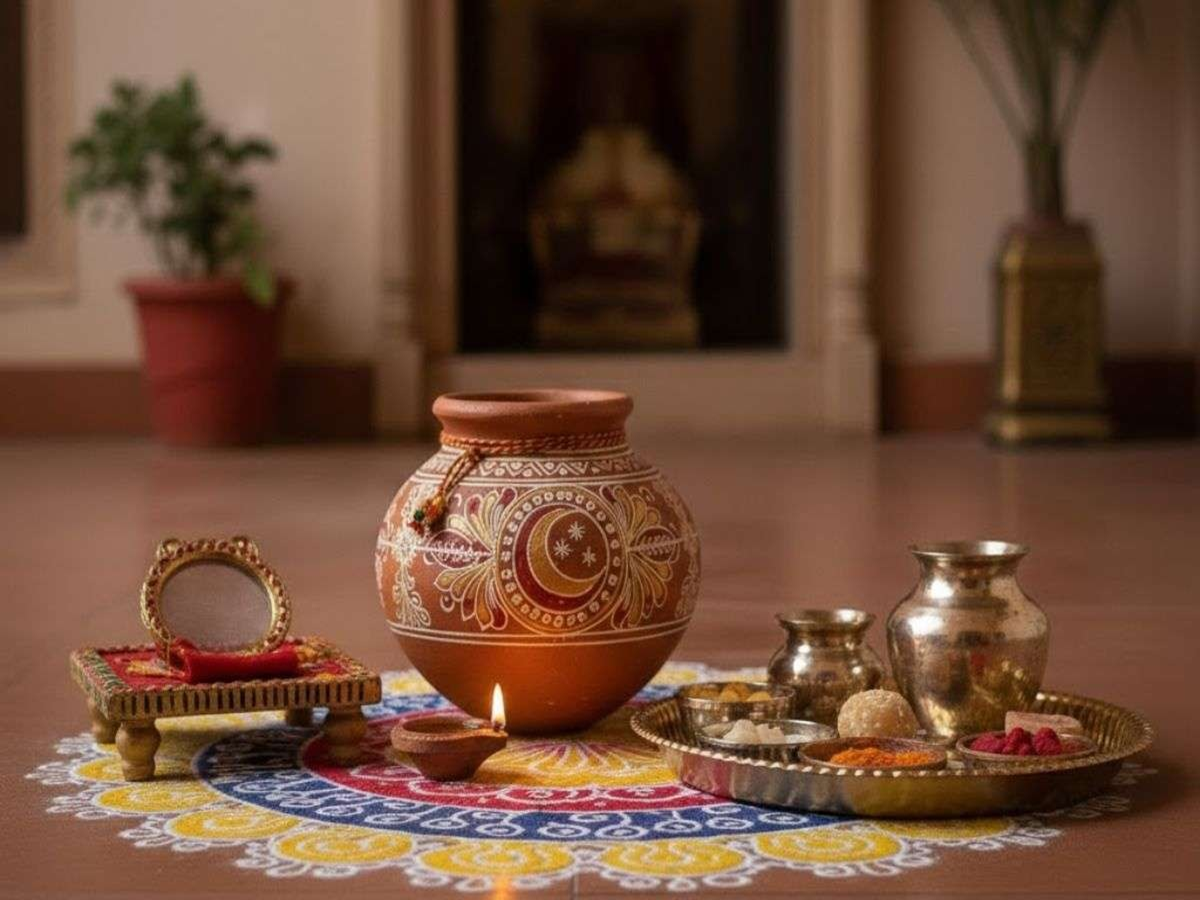
The most prominent components of the *bayana* are items related to a woman’s marital status—ranging from traditional adornments (*solah shringar*) to clothing. It also includes items used during the Karwa Chauth *puja*, such as the *karwa* (earthen pot), *seenk* (reeds/sticks), a ritual calendar, and various traditional snacks or sweets like *choora* and *gatta*. 'Bayna' includes items such as mathri, laddus, pedas, ghevar, or other sweets, and may even feature seasonal fruits.
It also includes a red, yellow, or orange saree or chunri (veil/scarf), and placing toe rings (bichhiya) within it is considered highly auspicious. A coconut is also an essential component of the bayna, as it is regarded as a symbol of auspiciousness.
When is the 'bayna' presented on Karwa Chauth?
The bayna for one's mother-in-law is presented before the Karwa Chauth puja. In many places, it is given a day in advance, and the mother-in-law uses the items provided for her own Karwa Chauth rituals. In other regions, it is presented on the evening of Karwa Chauth, before the worship of the moon. While presenting the bayna, the daughter-in-law touches her mother-in-law’s feet and seeks her blessings for a long and prosperous married life (akhand saubhagya).
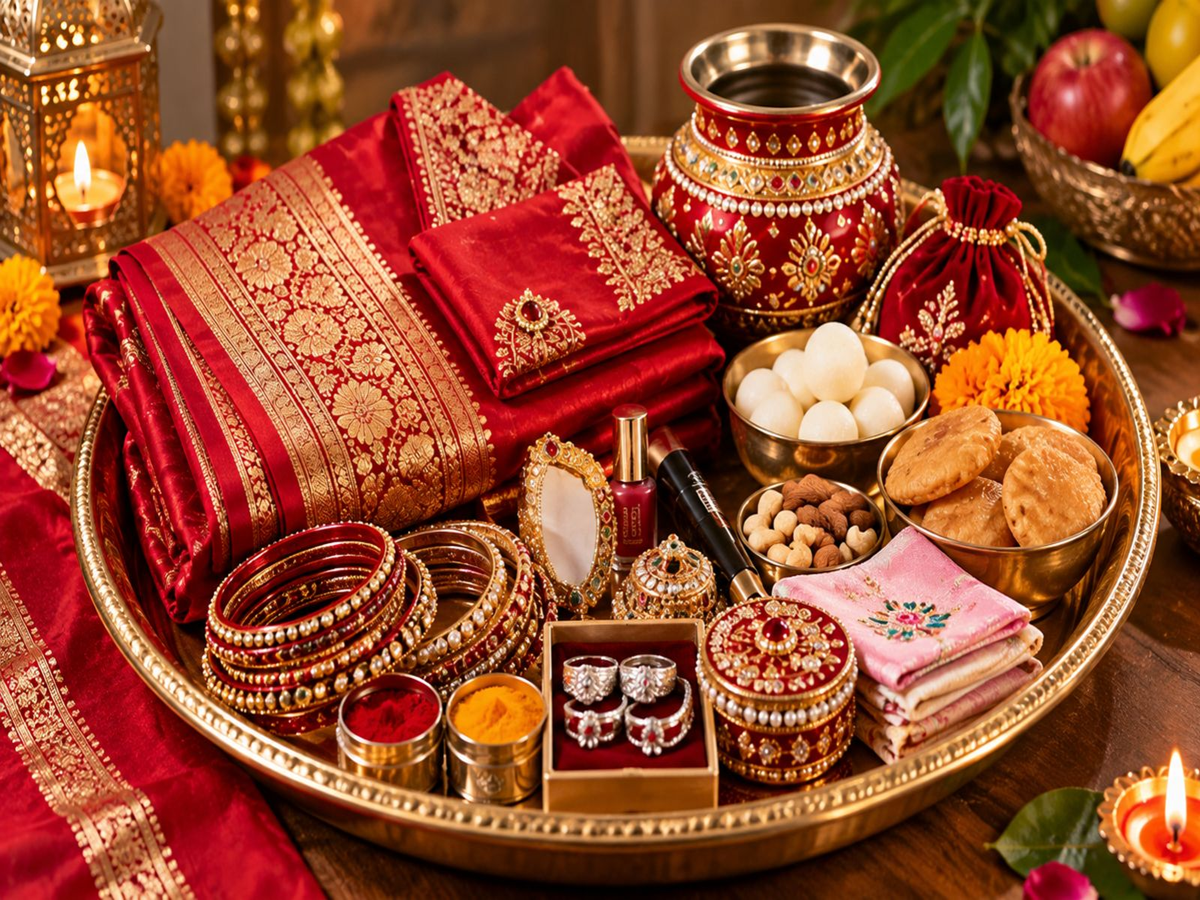
The significance of 'bayna' on Karwa Chauth
Presenting the bayna on Karwa Chauth is not merely a tradition; it is also a way to strengthen the bond between a mother-in-law and her daughter-in-law. While the daughter-in-law seeks blessings, the mother-in-law prays for the well-being of her daughter-in-law and the entire family. If, for any reason, the mother-in-law is not present, the bayna ritual may be performed with a sister-in-law (nanad or jethani).
If you also prepare a bayna for your mother-in-law on Karwa Chauth, it is important to keep these points in mind, as they help foster a positive and harmonious relationship between a mother-in-law and her daughter-in-law.
PC Social Media