
LIFESTYLE
Why is only rock salt consumed during the Sawan Monday fast? Discover the surprising religious and scientific facts behind it..

Sendha Namak (Rock Salt) During Sawan Fasts in 2026: The month of Sawan is considered the most sacred time for devotion to Lord Shiva. During this period, millions of devotees observe the 'Sawan Somvar' (Monday) fast to please Lord Shiva. While fasting, some people consume salt-free *falahar* (food allowed during fasts), whereas others consume *falahar* containing salt. However, this is not ordinary table salt; it is *Sendha Namak* (rock salt). Have you ever wondered why only rock salt is consumed during the Sawan Monday fast or other religious fasts? There are scientific reasons behind this, in addition to religious beliefs.
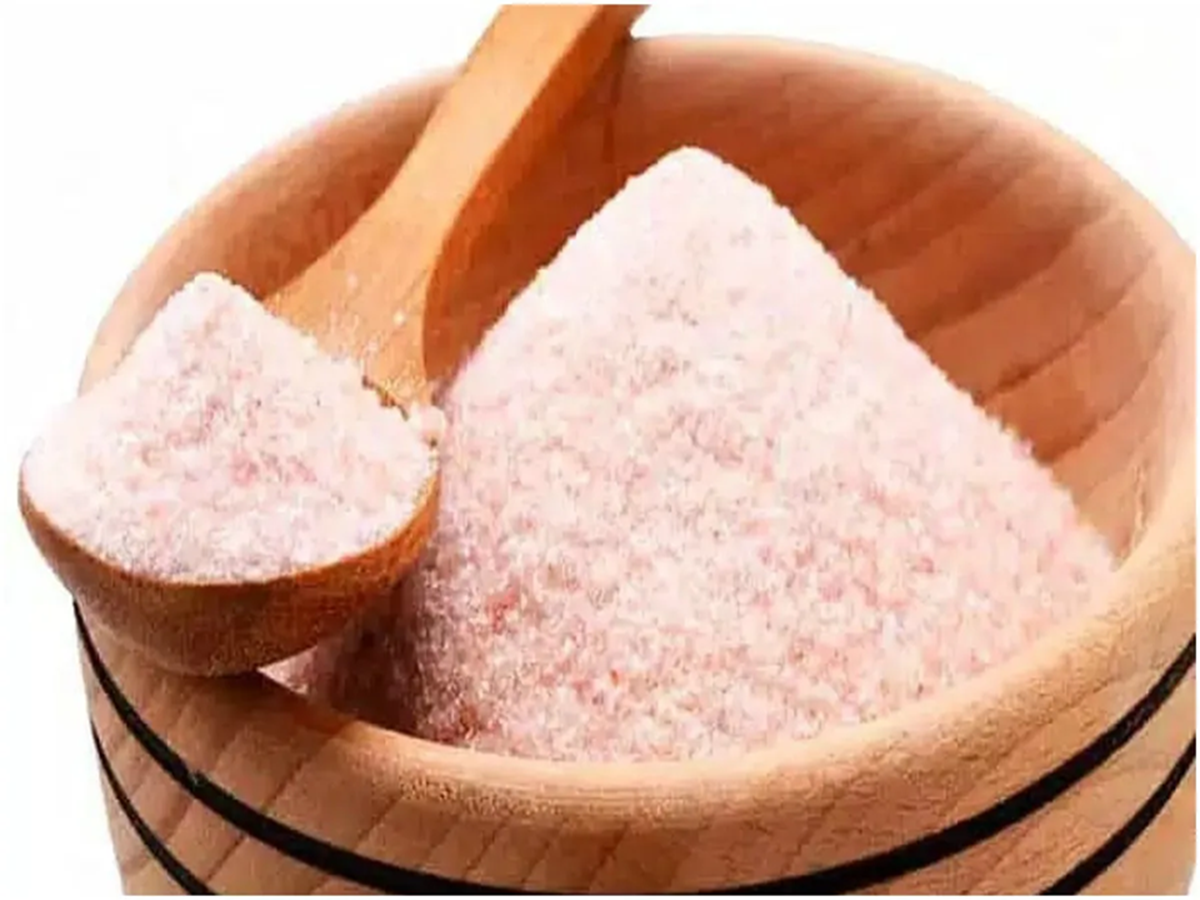
Why Rock Salt is Consumed During Fasts
According to religious beliefs, the purpose of fasting is not merely to abstain from food but to purify both the body and the mind. Therefore, it is recommended to consume natural foods, *sattvic* (pure/wholesome), and minimally processed. Rock salt is consumed during fasts precisely because it possesses these qualities.
Rock Salt is Extracted from Rocks
Ordinary salt is produced in factories through various chemical processes. Iodine and other elements are added to it, placing it in the category of processed foods. In contrast, rock salt is naturally extracted from rocks. It does not undergo extensive chemical processing, which is why it is considered purer. This is the reason why religious traditions deem it suitable for fasting.
Rock Salt is Beneficial in Many Ways
From a scientific perspective, too, rock salt is considered beneficial in several ways. People do not consume regular meals during fasts, which can lead to an electrolyte imbalance in the body. Rock salt helps maintain electrolyte balance and can assist in reducing fatigue or weakness.
Adding Rock Salt to Fasting Meals
According to experts, rock salt contains relatively less sodium and higher levels of minerals like potassium and magnesium compared to ordinary salt. This is why it is considered relatively gentle on the digestive system. During fasts, many people consume foods made from fruits, yogurt, sago (sabudana), buckwheat flour (kuttu), or water chestnut flour (singhara atta) seasoned with rock salt (sendha namak) to ensure the body receives essential minerals.
**Use Salt in Moderation**
Additionally, rock salt is considered to have a cooling effect on the body. It is believed to help maintain hydration and facilitate smooth digestion. It is also considered useful in alleviating the fatigue and weakness that can result from prolonged periods of fasting. However, the consumption of any type of salt should be limited. Health experts advise that pregnant women, the elderly, and individuals who struggle with prolonged fasting should maintain a balanced diet of fruits and other permitted foods, consuming rock salt only as needed.
PC Social Media