LIFESTYLE
Health Matters: Pay attention to these signs and you’ll never develop diabetes! Learn how to reverse pre-diabetes..
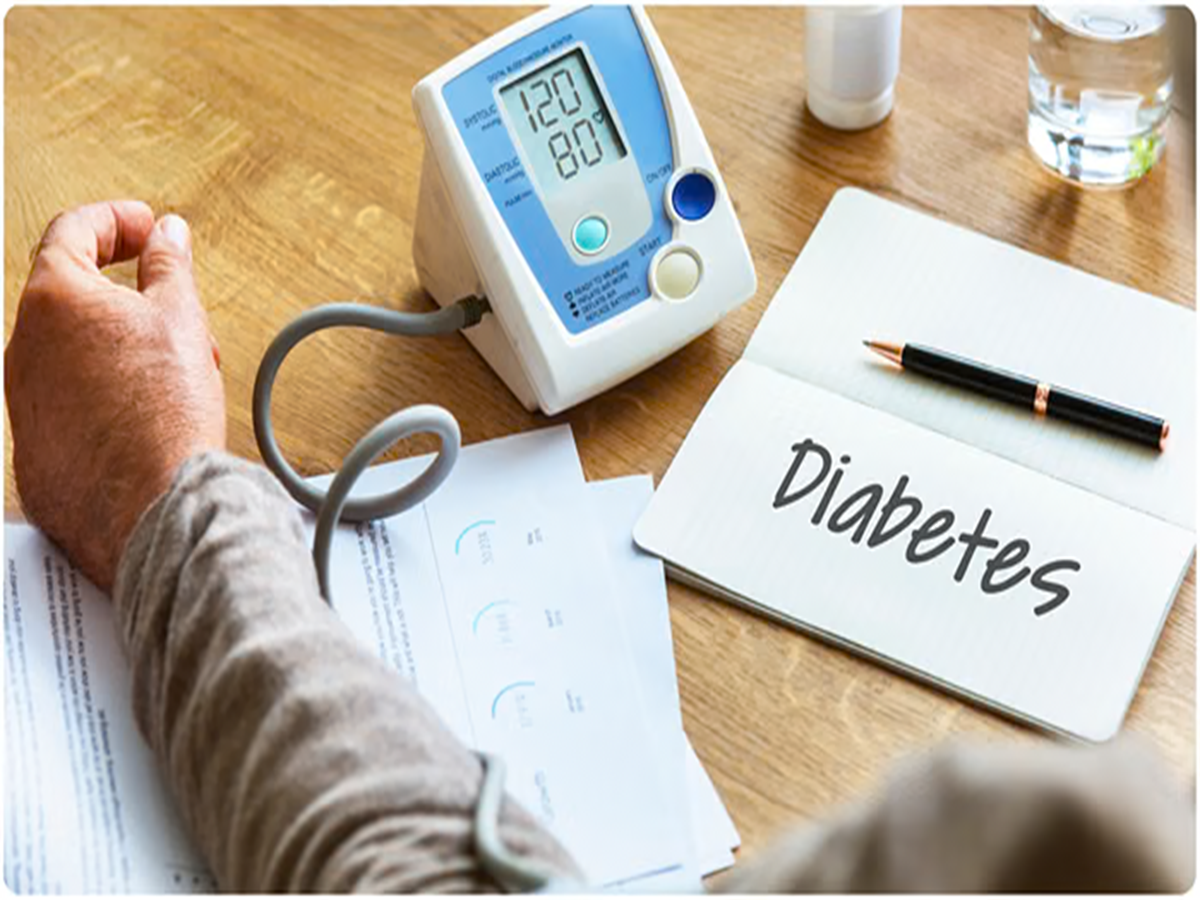
Early Signs of Prediabetes: Nowadays, the risk of diabetes is rising rapidly due to changing lifestyles, poor dietary habits, and a lack of physical activity. Once diabetes develops, it is very difficult to reverse; it can only be managed through lifestyle adjustments, dietary changes, and medication.
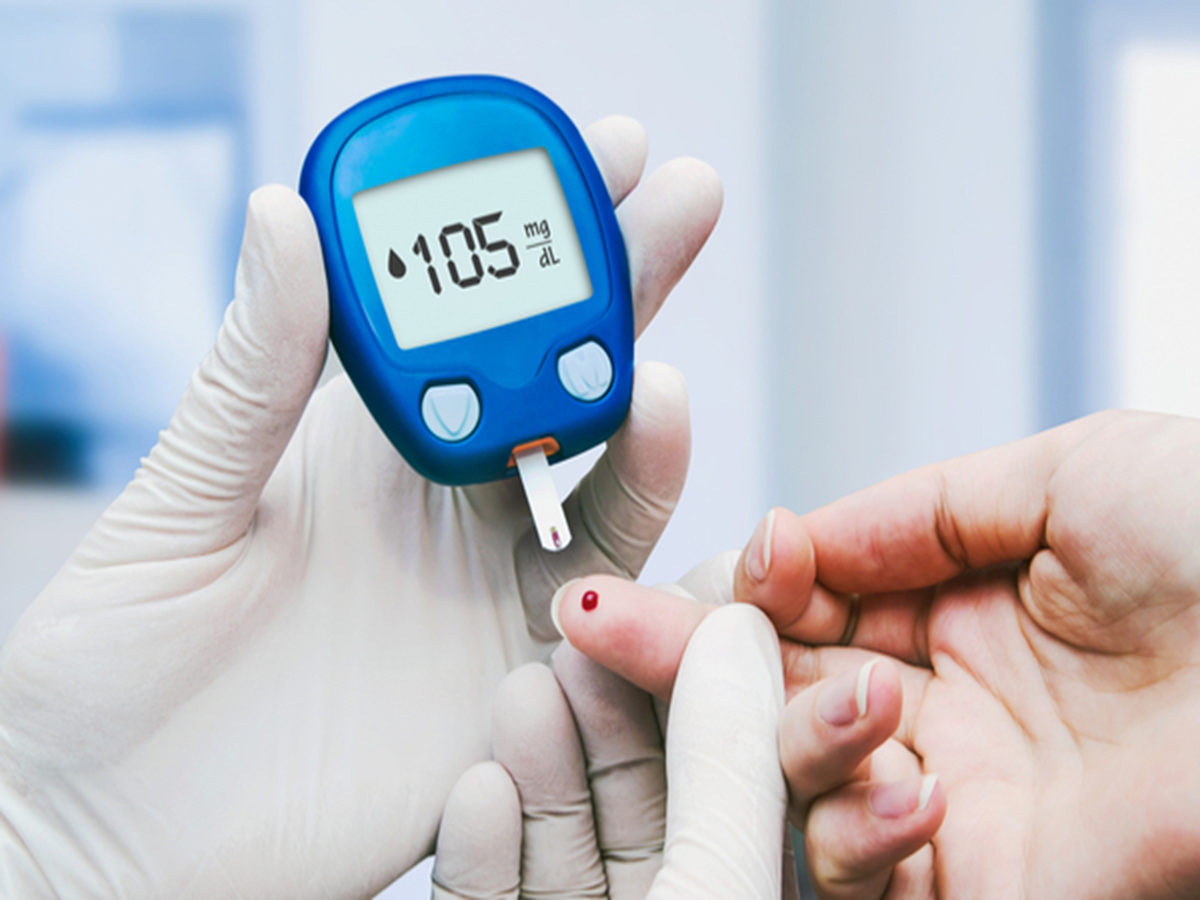
Health experts state that if you pay attention to this issue early on and get tested in time, the risks can be significantly controlled. Being cautious, especially during the prediabetes stage, can help prevent the onset of full-blown diabetes.
In the prediabetes stage, blood sugar (glucose) levels are higher than normal, though they have not yet reached the threshold for a diabetes diagnosis. This is considered a warning sign for the potential development of type 2 diabetes in the future.
Doctors explain that a prediabetes diagnosis is not merely an alarm bell; it is a signal from the body that offers an opportunity to take corrective action in time. By adopting a healthy diet and making lifestyle changes, it is possible to bring blood sugar levels back to a normal range and reduce the risk of developing diabetes.
Let’s explore the early signs of prediabetes and the measures you can take to avoid developing diabetes.
What are the early signs of prediabetes?
The primary challenge with prediabetes is that most people do not exhibit clear, noticeable symptoms. An individual may feel perfectly normal, even while their blood sugar levels are elevated. Consequently, it is difficult to identify the condition based on symptoms alone.
In some individuals, the skin in areas such as the neck, armpits, or other parts of the body may become darker and thicker. This can be an indicator of insulin resistance—a condition where the body’s cells do not respond effectively to insulin, which can lead to an increase in blood sugar levels. Additionally, weight gain and the accumulation of excess fat around the abdomen can increase the risk. Frequent thirst, increased urination, and fatigue can be signs of elevated blood sugar. If such symptoms appear, you should consult a doctor.
How is pre-diabetes identified?
A blood test is the most reliable method for detecting pre-diabetes. There are three primary types of tests used for this:
HbA1c test: A level between 5.7% and 6.4% is considered pre-diabetes. This provides an estimate of your average blood sugar over the past two to three months.
Fasting blood sugar: A fasting blood sugar level between 100 and 125 mg/dL falls into the pre-diabetes category.
Glucose tolerance test: A blood sugar level between 140 and 199 mg/dL, two hours after consuming a glucose solution, is considered pre-diabetes.
Your doctor can decide which test is appropriate based on your specific situation.
What do experts say?
Dr. Saurabh Sethi, a gastroenterologist trained at Harvard and Stanford universities, explains that pre-diabetes can be reversed—returning the body to a normal state—especially if the right steps are taken in time. Adopting a healthy lifestyle can contribute 70–80% toward reversing pre-diabetes.
If you do not make lifestyle improvements or fail to address pre-diabetes, the cells in the pancreas responsible for producing insulin lose approximately 4–5% of their functional capacity each year.
Dr. Sethi also clarifies a common misconception: beta cells are not always destroyed.
In many cases, they are simply exhausted from being overworked. Proper dietary and lifestyle habits can help restore the functionality of these cells.
Dr. Sethi notes that studies have shown that among individuals with pre-diabetes, losing 10–15 percent of their body weight reduced the risk of developing type 2 diabetes by up to 86 percent. He explains that as weight loss leads to a reduction in excess fat stored within the body—particularly around the liver and pancreas—the body’s sensitivity to insulin can improve.
How can prediabetes be managed?
It is possible to bring blood sugar levels back to a normal range by adopting a healthy lifestyle. This requires making some essential changes to your daily habits.
1. Improve your diet
Include green vegetables, lentils, whole grains, fruits, and fiber-rich foods in your diet. Limit the consumption of sugary drinks, sweets, and foods with high sugar content.
2. Exercise regularly
Aim for at least 150 minutes per week of brisk walking or other moderate-intensity physical activity. Start gradually and increase the level of activity according to your capacity.
3. Maintain a healthy weight
If you are overweight, losing weight gradually can improve the body's ability to use insulin effectively.
4. Prioritize sleep and manage stress
Ensure you get enough sleep each day, and incorporate practices like yoga, meditation, or other relaxing activities to help reduce stress.
PC Social Media