
Vitamin D Best Sources: Vitamin D is a nutrient that keeps your bones, muscles, immunity, and mood balanced. A deficiency can lead to fatigue, pain, sleep disturbances, hair loss, weakened immunity, and, in the long term, weakened bones. According to studies, about 80% of people living in cities suffer from this deficiency, and even those who spend time in the sun don't get enough of it, as the amount in their daily diet is almost negligible. So the question arises: how can you get 100% of your daily vitamin D requirement? Is sunlight alone sufficient, or are foods and supplements also necessary? Let's find out...
Spend Time in the Sun
Vitamin D is called the sunshine vitamin. Sunlight helps your skin produce vitamin D directly. According to experts, people with fair skin should spend 10-15 minutes in the sun, while those with darker skin should spend 20-30 minutes. It's important to note that the best time for sun exposure is before 10 am or after 4 pm. Using sunscreen, jackets, or caps reduces vitamin D production. Also, avoid overexposure; just a few minutes are enough.
Fatty Fish and Seafood
If you eat non-vegetarian food, fatty fish and seafood can be the best sources for you. The highest amount of vitamin D is found in fish like salmon, tuna, mackerel, sardines, and shrimp. Just 100 grams of salmon provides more than 500 IU of vitamin D. This means that these can fulfill 100% of your daily requirement. Fatty fish and seafood are among the best natural sources of vitamin D. A 3-ounce serving of salmon can provide up to 100 grams of benefit.
Mushrooms
Mushrooms are the only vegetarian food that naturally contains vitamin D. UV-treated mushrooms have a significantly higher amount of vitamin D. Eating 70-80 grams of mushrooms four times a week provides a good amount of vitamin D.
Egg Yolks and Fortified Foods
If you eat eggs, 1-2 egg yolks daily can also provide a significant amount of vitamin D. One egg contains approximately 40-45 IU of vitamin D. In addition, many foods worldwide are fortified with vitamin D. In India, commonly available foods rich in vitamin D include fortified milk, soy, almond, and oat milk, yogurt, orange juice, breakfast cereals, and tofu.
Supplements
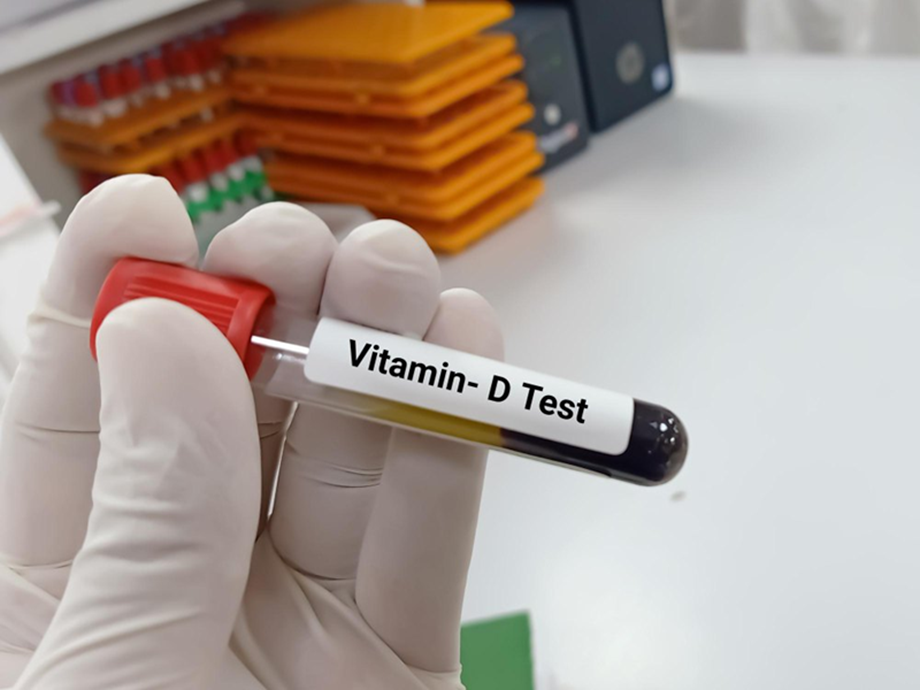
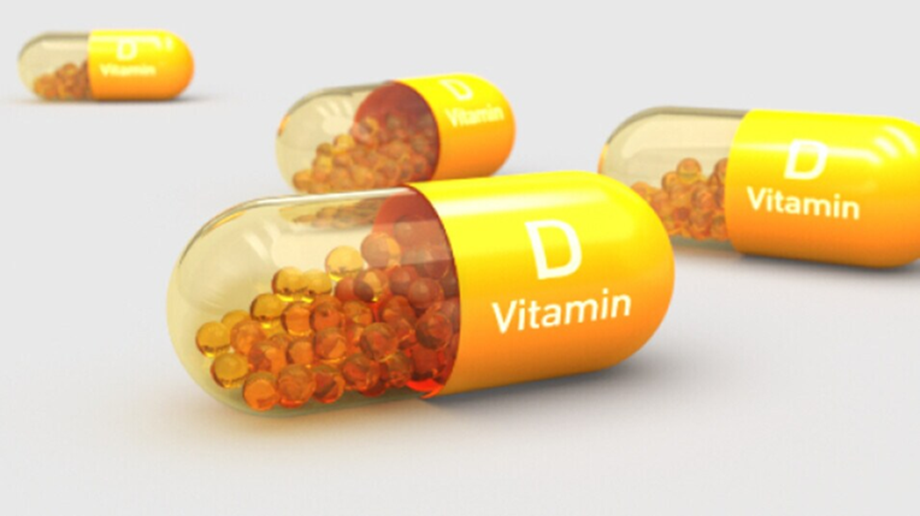
If you have a very low vitamin D level or if you don't get enough sunlight or don't consume non-vegetarian food, supplements are the best option. Supplements come in two types: D2 (plant source) and D3 (animal source). Most doctors recommend taking vitamin D3 because it works faster. The general dosage is 1,500-2,000 IU daily, but the correct dosage is determined after a blood test. This dosage is especially important for office workers, the elderly, women who stay at home, and people with dark skin whose test results show a level below 20 nanograms per milliliter.
PC Social Media