Parenting
Teach children religion, faith and Indian culture in Sawan, these activities will lead to complete development..

Childhood is such a time when you can introduce your child not only to studies but also to the values of life and Indian culture. During this time, it is very important to connect them with qualities like religion, faith, discipline, and love for nature. Especially the month of Sawan provides such an opportunity when you can easily attract your children towards worship and religious rituals. This is a beautiful opportunity to connect children with religion, which not only develops their spiritual development but also gives rise to a sense of responsibility, cooperation, and discipline in them.
Involve them in the preparation of worship.
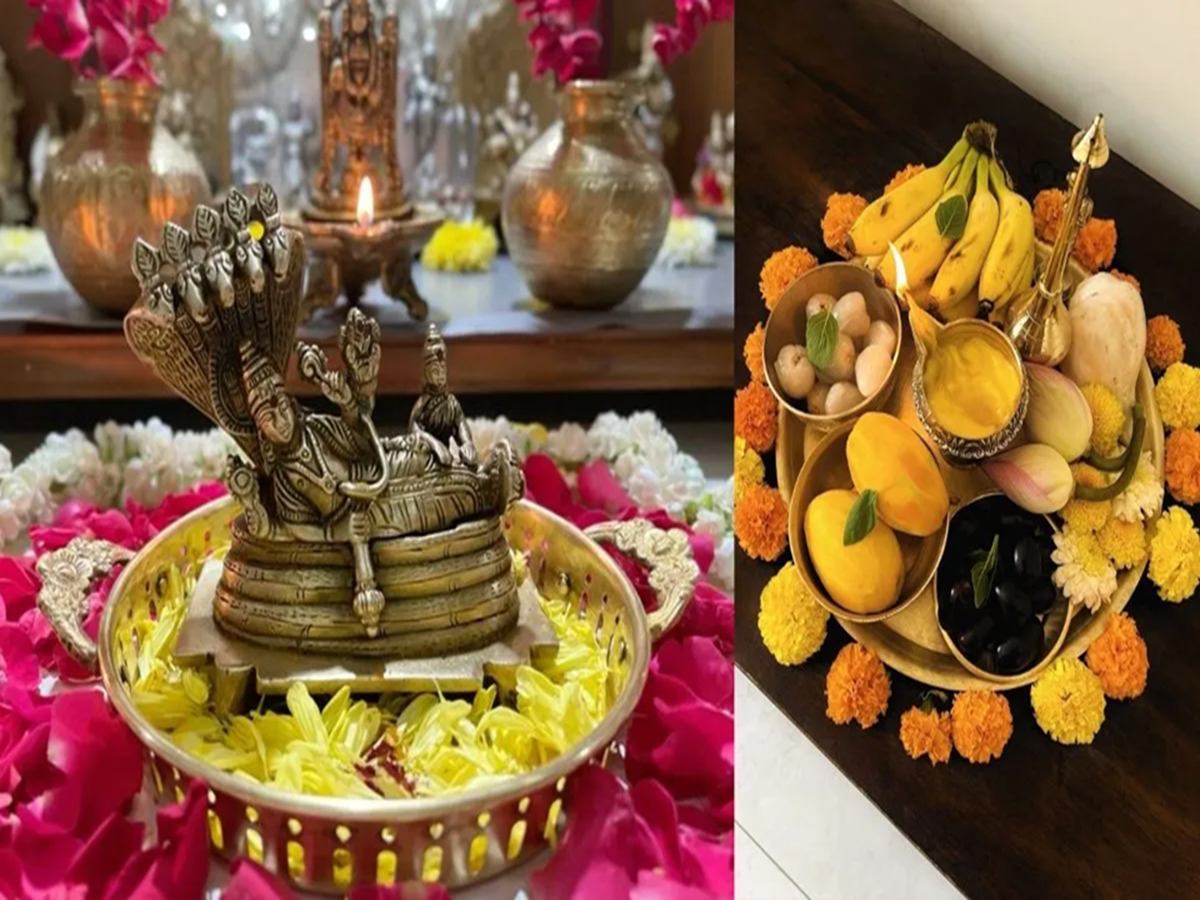
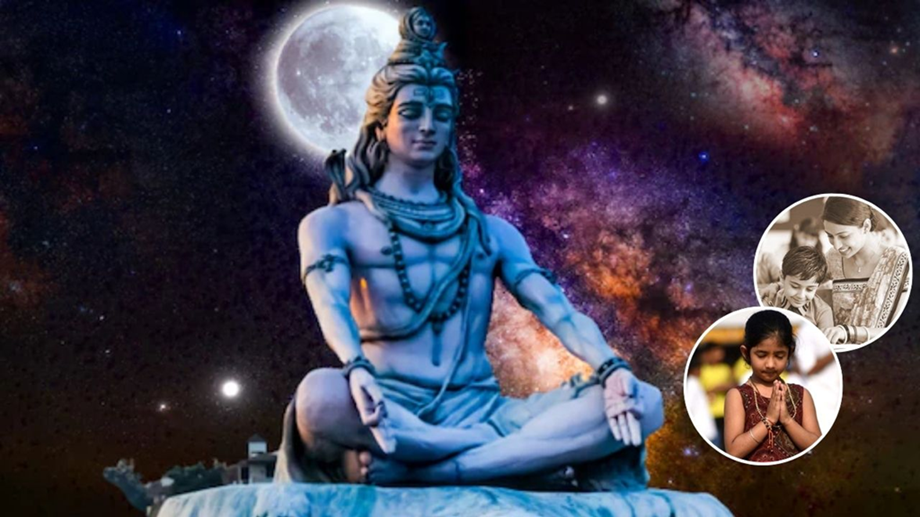
The worship of Lord Shiva has special significance in Sawan. When you are preparing for Shiva worship, make children participate in it as well. You can assign them tasks like plucking Belpatra, picking flowers, and filling Gangajal in the Kalash. Also, explain to them why religious symbols like Trishul, Om, or Swastika are made on Belpatra. These activities connect children with nature, symbols, and spirituality. Along with this, they also develop creativity and concentration in them.
Take your children to the temple or create a temple atmosphere at home.
When you go to the temple for worship, definitely take your children along. The peace of the temple, the atmosphere of devotion, and the activities of the devotees have a positive effect on children. If you worship at home, then also assign small tasks to the children like offering water to the Shivling, lighting a lamp, and burning incense. This will give them a sense of responsibility, and they will gradually start understanding the religious rituals. It also deepens family unity and emotional bonding.
Participate in mantras and bhajans.
Teach children to pronounce simple mantras like "Om Namah Shivaya", "Om Namo Bhagwate Vasudevay". When you worship, ask them to ring the bell during the aarti or encourage them to clap during the bhajan. If there is a musical atmosphere at home, then singing religious songs or bhajans for children is a good option. With this type of practice, they understand the importance of spiritual music and sound, and their mind also remain happy.
Increase understanding and connection with mythological stories.
Children love to listen to stories, and this is a great opportunity to connect them with mythology. Through the stories of Shiva, Parvati, Ganesh, Kartikeya, and Nandi, you can teach them the lessons of moral values, compassion, hard work, devotion, and courage. Tell these stories in an interesting style and get the children to engage in dialogues related to them so that they can actively engage. If possible, also read books with simple stories from the Shiva Purana with the children.
Teach religion through nature and service as well.
Religious education is not limited to temple or worship only. You can also involve children in activities like planting trees, saving water, and feeding birds. These tasks also highlight the sense of devotion towards Shiva and harmony with nature. Explain to children that religion is not just worship but also a responsibility towards nature and society.
Give information about festivals and fasts.
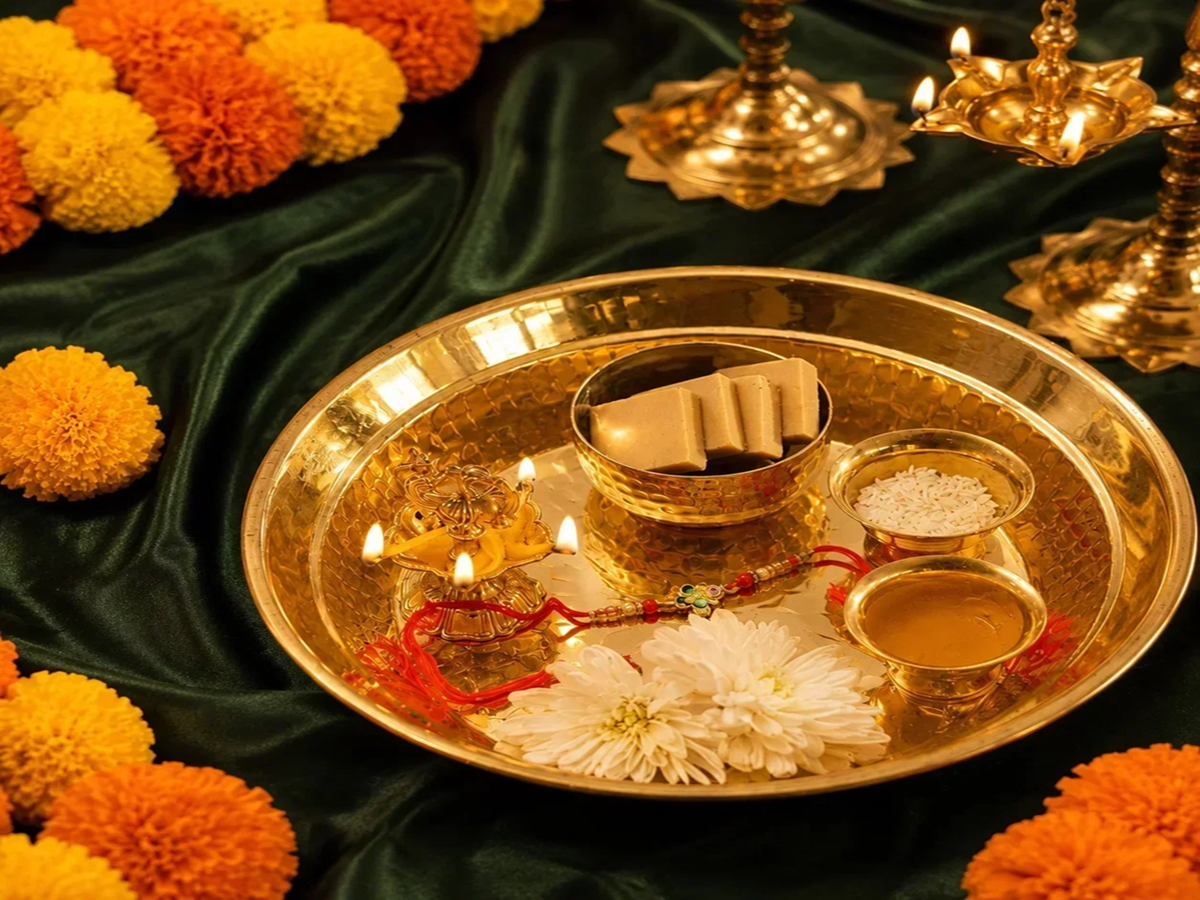
Although small children do not observe fasts, you must tell them the importance of festivals like Sawan Monday, Nag Panchami, and Rakshabandhan. Explain the stories behind these traditions and special worship methods in an interesting way. If you want, teach them to make a Rakhi or ask them to offer something handmade to Lord Shiva.
The month of Sawan is not only an opportunity for religion and devotion, but also for the personality development of children. They can be deeply connected with religion, faith, and Indian culture through worship, nature, service, stories and songs. These sanskars help in making them a responsible, sensitive and spiritual person in the future.
PC Social media