Food & recipe
Sweet Corner: Make soft, grainy, halwai-style pedas at home using mawa—check out this easy recipe..
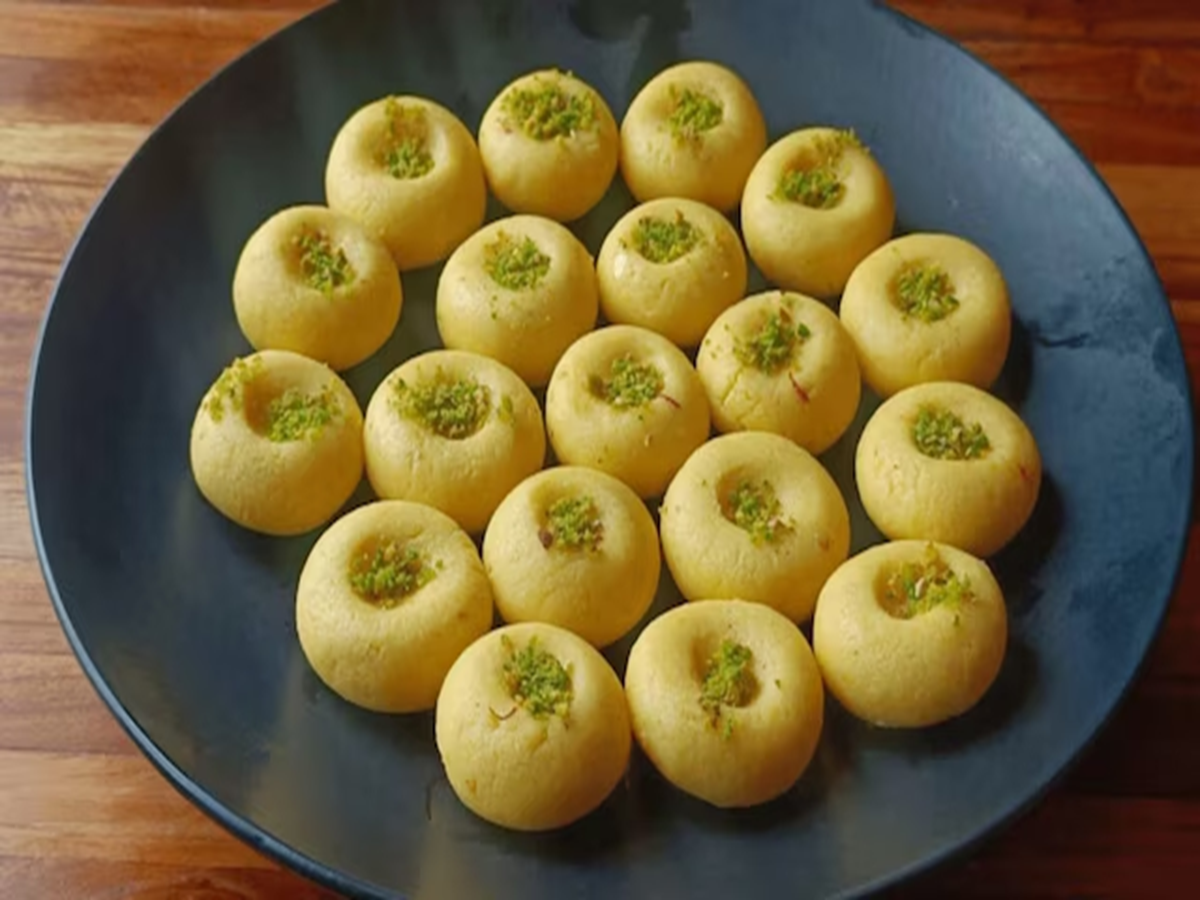
Mawa Peda Recipe: Whether it is the festival of Diwali or a special occasion at home, celebrations feel incomplete without sweets. As festivals approach, sweet shops in the market begin to get crowded. Some people buy Kaju Katli, while others prefer Laddoos or Barfi. Among traditional sweets, Mawa Peda is also a popular choice. Its slightly grainy texture, the aroma of milk, and the way it melts in the mouth make it truly special. Many people believe that making pedas like those from a professional sweet shop (halwai) requires a long list of ingredients and hours of hard work—but that is not the case. If you have good-quality Mawa (khoya) at home, you can prepare delicious pedas using just a few simple steps. There is no need to prepare sugar syrup (chashni) or follow any complicated techniques.
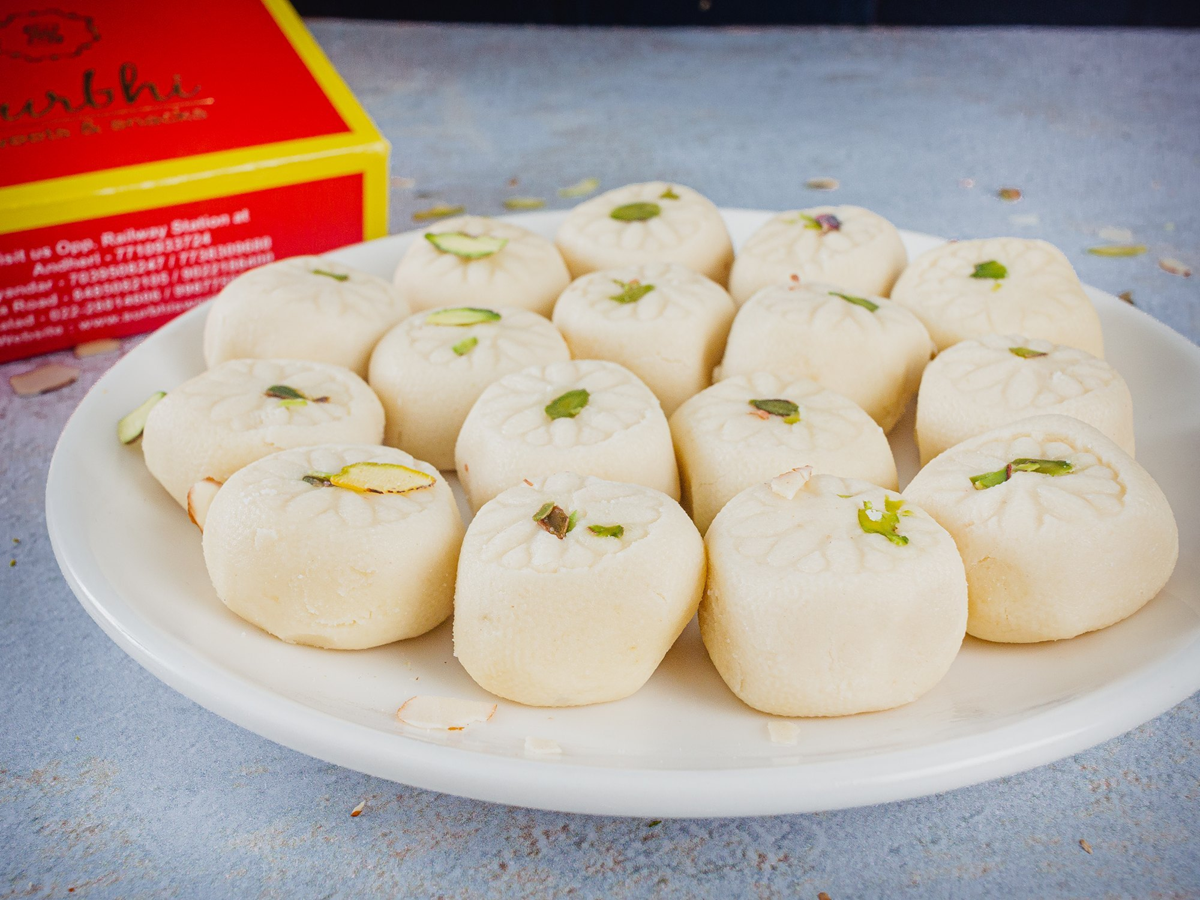
All that is required is to roast the Mawa correctly, ensure the right amount of sugar, and shape the mixture at the perfect moment. With a little care, you can make pedas at home that rival the quality and taste of those found in the market. These are perfect for Diwali, Bhai Dooj, birthdays, or any family gathering. Let’s explore an easy recipe for making Mawa Peda, along with a few tips to enhance its flavor and texture.
Ingredients for Making Mawa Peda
You don’t need many ingredients to make Mawa Peda at home. You will need 500 grams of Mawa (khoya), about 100 to 125 grams of powdered sugar, half a teaspoon of cardamom powder, and one teaspoon of ghee. You can use finely chopped pistachios or almonds to garnish the pedas. If you prefer a subtle yellow hue, you can also add a few strands of saffron—though the pedas will be just as delicious even without it. You can adjust the amount of sugar according to your taste. Ensure that the *mawa* (milk solids/khoya) is fresh and free from any sour or unpleasant odor.
**Preparing the *mawa***
To make *pedas*, first transfer the *mawa* onto a large plate. If it has been stored in the refrigerator, let it sit at room temperature for a while so it becomes easier to break apart. Then, crumble it using your hands or grate it finely. This ensures that the *mawa* heats evenly in the pan and prevents large lumps from forming. If the *mawa* is already soft, you can use it as is. For a good texture in the *pedas*, it is essential that the *mawa* is evenly distributed throughout the mixture.
**Roasting on low heat for better flavor**
Place a heavy-bottomed pan on the stove and add a little *ghee*. Once the *ghee* is slightly warm, add the *mawa* and begin roasting it over low heat. Stir continuously with a spoon to prevent it from sticking to the bottom or burning. After a while, the *mawa* will soften and release a pleasant, milky aroma. Gradually, its excess moisture will evaporate. If you prefer lighter-colored *pedas*, do not let the *mawa* turn too brown; however, if you prefer a light golden hue, you can roast it for a bit longer. Be careful—roasting over high heat can cause the *mawa* to burn quickly, which will spoil the flavor of the sweet.
**Adding the sugar**
Once the *mawa* is well-roasted, turn off the heat and let the mixture cool for a while. It should be cool enough to touch comfortably, but not so cold that it hardens completely. Now, add the powdered sugar and cardamom powder. Mix everything thoroughly so that the sugar is evenly incorporated throughout the *mawa*. If you add sugar while the *mawa* is still hot, it will melt and make the mixture too soft. This can make it difficult to shape the *pedas*. Therefore, it is best to let the *mawa* (milk solids) cool down slightly before adding the sugar.
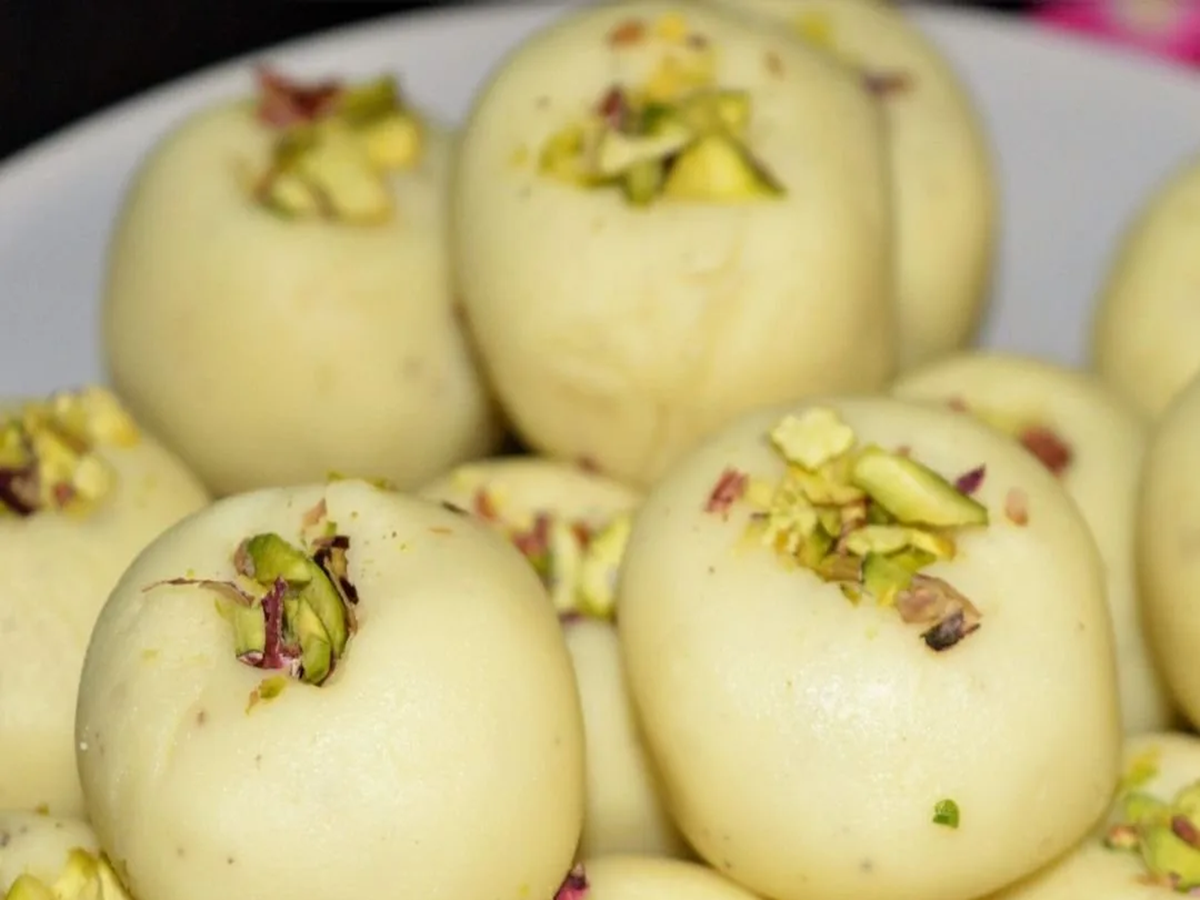
An easy way to shape *pedas*
Once the mixture of *mawa* and sugar is well prepared, apply a little *ghee* (clarified butter) to your hands. Take a small portion of the mixture, roll it between your palms, and press it lightly to form a *peda*. Prepare the remaining *pedas* in the same way. If you like, you can make a small indentation in the center of each *peda* using your thumb; this will give them the appearance of traditional, authentic sweets. If the mixture feels too soft, let it cool for a while. Conversely, if it is too dry, you can adjust the consistency by adding a bit more *mawa*.
PC Social Media