LIFESTYLE
Note: What kind of mask should you use when the AQI is poor? Keep these points in mind when making a purchase..
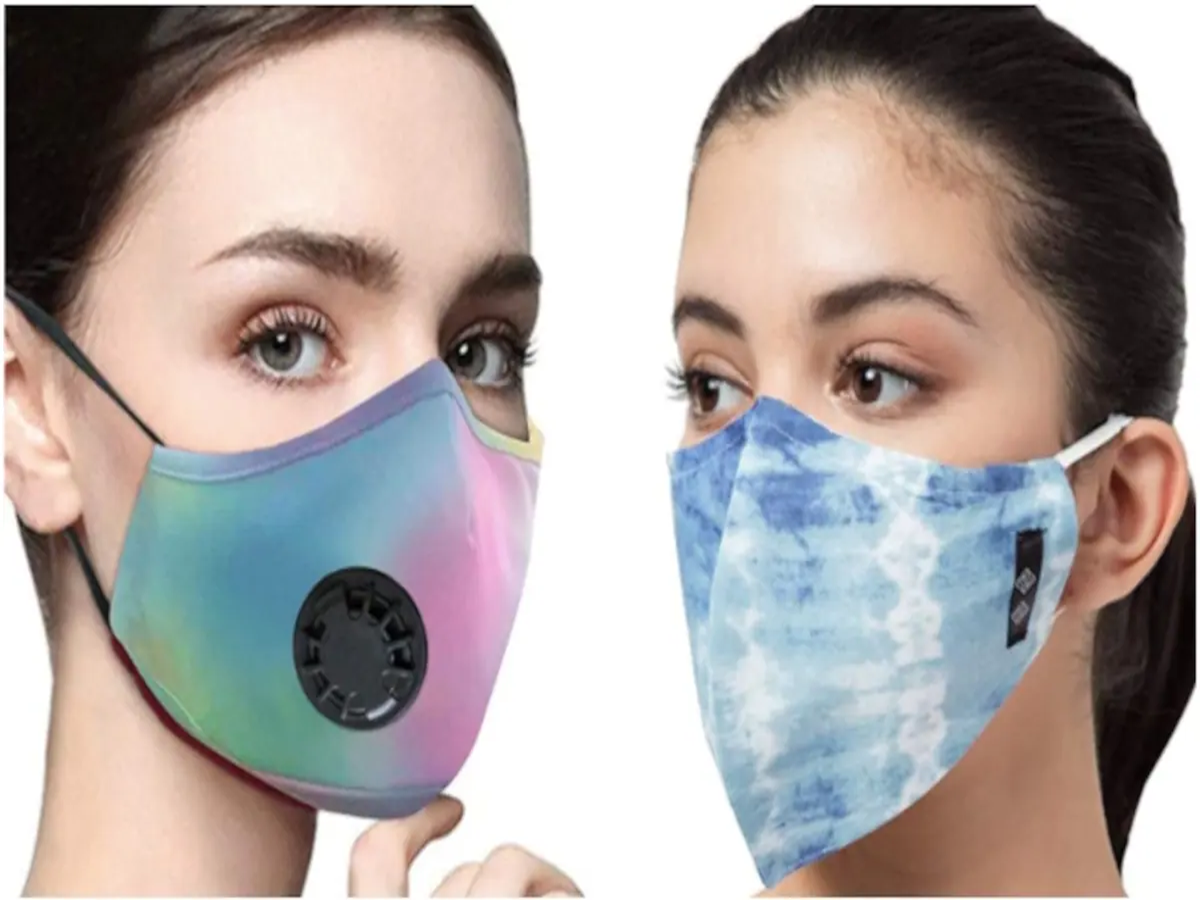
How to Choose the Right Mask for Air Pollution: With rising air pollution in many cities across the country, people are facing respiratory issues. Wearing a mask when stepping out during periods of poor Air Quality Index (AQI) can be an essential measure to reduce exposure to pollution. But can every mask protect against pollution? The answer is no. Let’s explore which type of mask you should choose when the AQI is poor, and what factors you should consider before making a purchase.
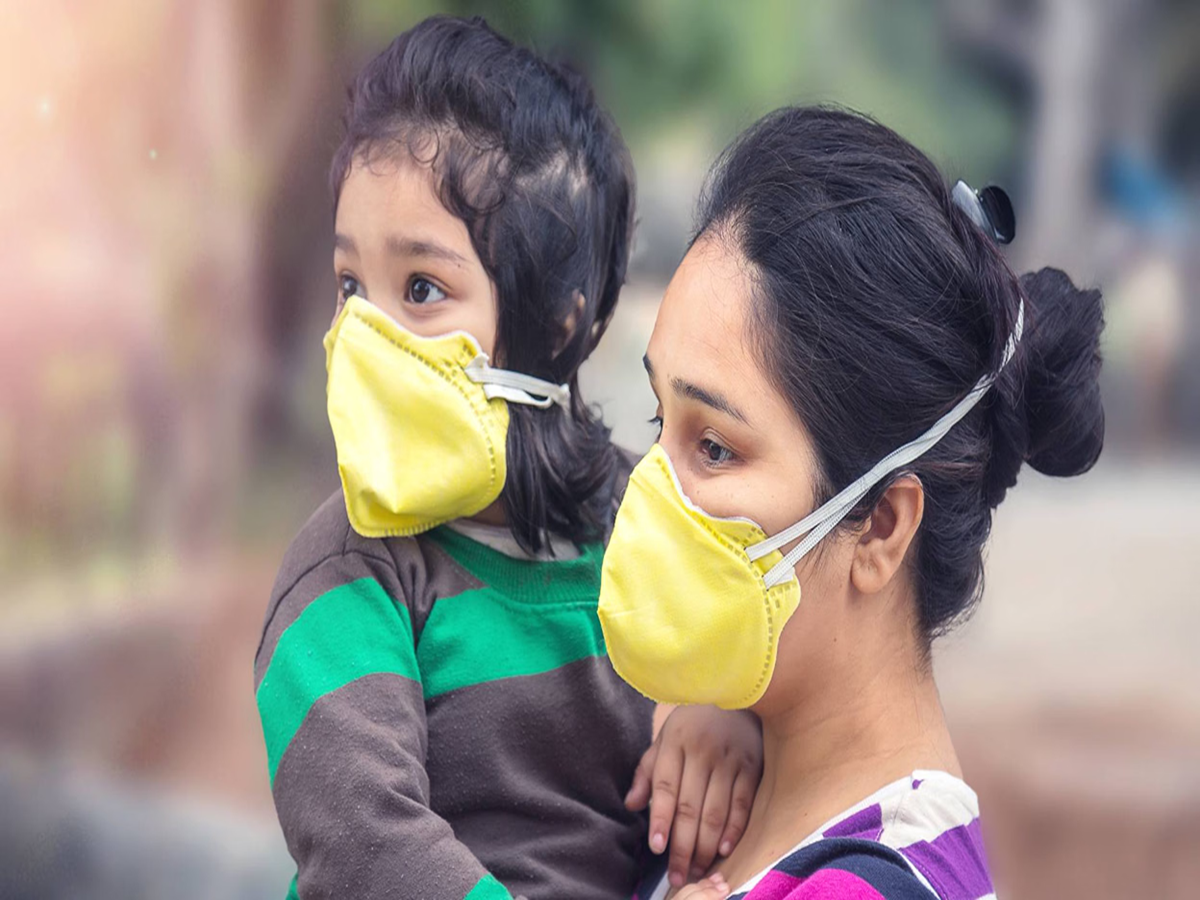
Which mask should you wear when the AQI is poor?
During air pollution, fine particles—such as PM2.5—can enter the lungs through inhalation. To protect against these, a well-fitted, certified particulate respirator can be effective.
1. Choosing an N95 mask can be a better option
N95 respirators are designed to filter out at least 95% of airborne fine particles under specific testing conditions. However, this does not mean they provide 95% protection against all types of pollution or gases. Their effectiveness also depends on how well they fit your face.
2. What is the difference between N99 and N95 masks?
Both N95 and N99 masks fall under the category of particulate respirators. In standardized tests, an N95 mask filters at least 95% of particles, while an N99 mask filters at least 99%. However, you should not choose a mask based solely on its filtration rate; its certification, fit, and comfort are equally important.
3. How effective are cloth masks and surgical masks?
Cloth masks and standard surgical masks serve different primary purposes. While they may block some larger particles and droplets, they are not reliable for protection against the very fine pollutant particles present in the air. In conditions with poor Air Quality Index (AQI), a well-fitted, certified respirator can be a better option.
Keep these 5 points in mind when purchasing a mask:
1. Buy only certified masks
Check the mask packaging for relevant standards and manufacturer information. For example, a NIOSH-approved respirator (from the US) should carry NIOSH identification and details regarding its specific model. Simply having "N95" printed on the package does not guarantee authenticity.
2. Ensure a proper fit
The mask should thoroughly cover your nose, mouth, and chin. Air leakage around the edges can reduce its effectiveness. Press the nose clip firmly and check the seal after putting on the mask.
3. Pay special attention if you have a beard
Facial hair in areas where the mask needs to form a seal against your skin can lead to increased air leakage. This can compromise the protection provided by the respirator.
4. Do not ignore difficulty in breathing
Some people may find it more strenuous to breathe while wearing a respirator. If you have pre-existing conditions such as asthma, COPD, or heart disease, consult your doctor about the most suitable type of mask.
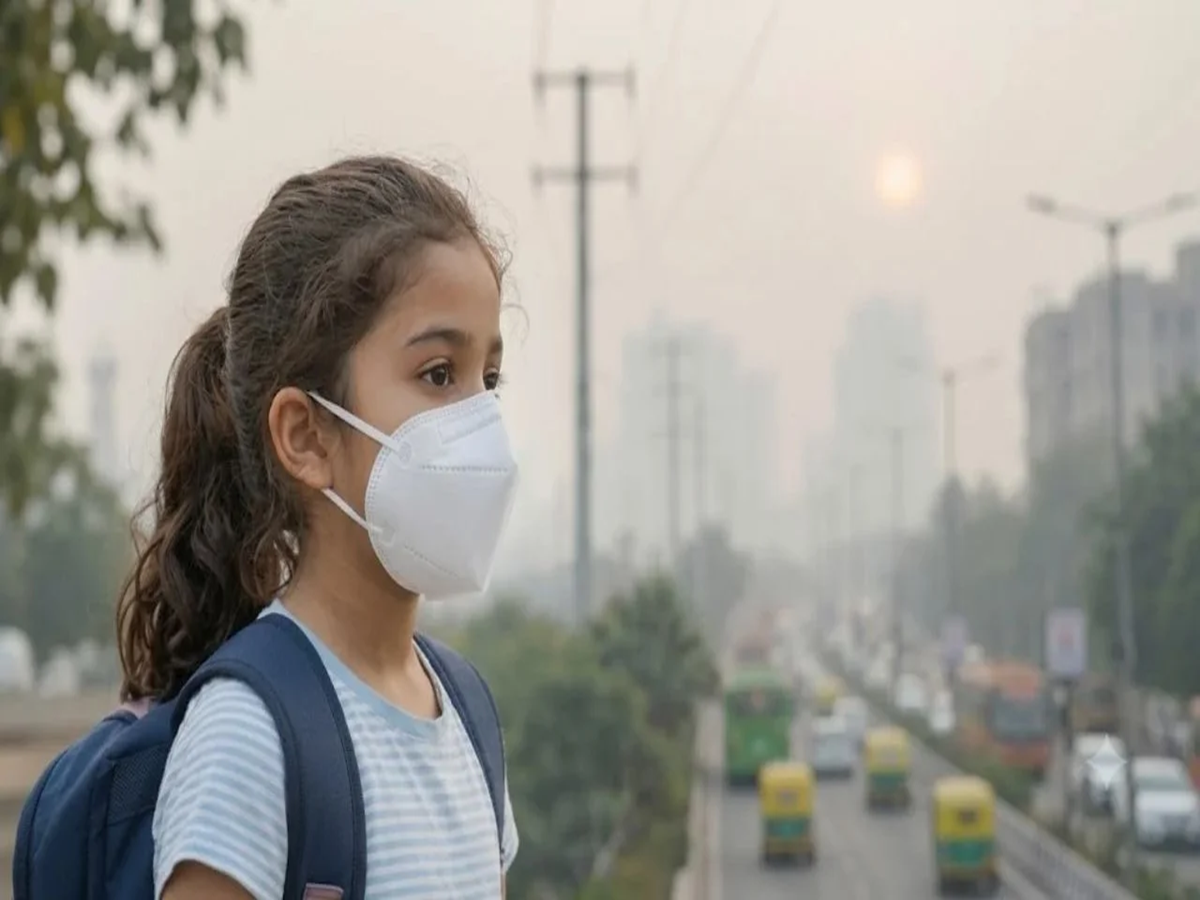
5. Replace dirty or damaged masks
If a mask becomes wet, dirty, or damaged, or if it makes breathing unusually difficult, replace it according to the manufacturer's instructions. Do not wash and reuse disposable respirators.
PC Social Media