LIFESTYLE
Karwa Chauth 2026: What constitutes the 'Solah Shringar'? Learn why married Hindu women observe this tradition of 'Solah Shringar'.
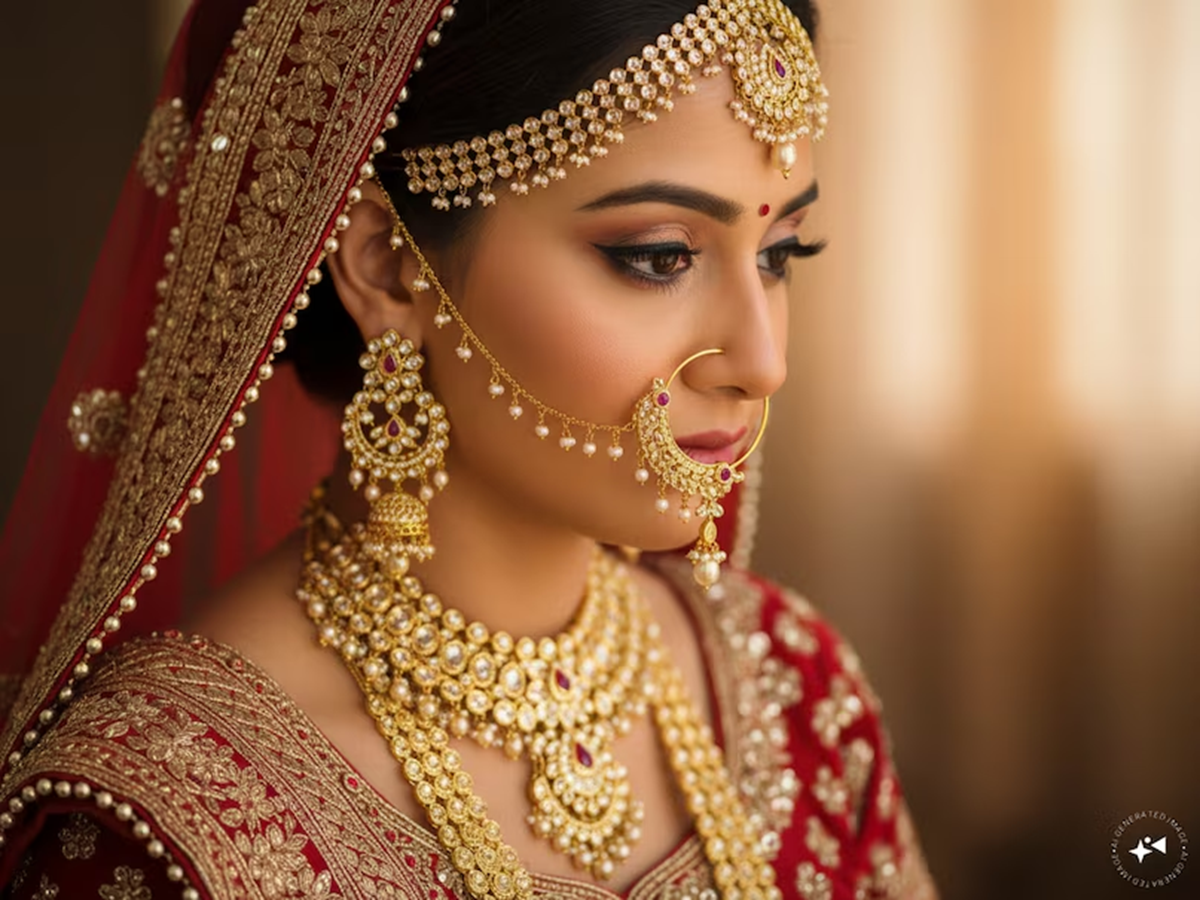
In Hindu traditions, the 'Solah Shringar' (sixteen adornments) is considered a symbol of beauty, good fortune, and marital bliss. This tradition is also linked to Goddess Parvati, who is revered as the embodiment of a happy married life and love. 'Solah Shringar' refers to sixteen specific types of adornments, encompassing makeup, jewelry, clothing, and other traditional items used for beautification. On the occasion of Karwa Chauth, many women perform the 'Solah Shringar' before engaging in prayers and offering *arghya* (libation) to the moon.
The 'Solah Shringar' consists of the following 16 elements: Sindoor (vermilion) – Sindoor is regarded as a symbol of marital status. Married women apply it along the parting of their hair. For many, applying *sindoor* on Karwa Chauth is a significant tradition.
Bindi – A *bindi* worn on the forehead enhances the beauty of the face. A red *bindi* is associated with auspiciousness, traditional beauty, and motherhood. It is also believed that wearing a *bindi* aids in concentration and enhances mental strength.
Kajal (kohl) – *Kajal* makes the eyes look attractive and completes one's makeup. In traditional belief, it is also thought to offer protection against the 'evil eye.' Historically, it was prepared using *ghee* (clarified butter), which was believed to cleanse the eyes and improve vision—though there is no scientific evidence to support this.
Mehendi (henna) – *Mehendi* is a hallmark of Karwa Chauth. Women apply intricate, beautiful designs on their hands and, at times, their feet. It is considered a symbol of love, joy, and auspicious occasions.
Bangles – Red, green, and multi-colored bangles are an essential part of traditional adornment. In many communities, they are associated with marital status and prosperity. It is also believed that wearing bangles can improve blood circulation.
Mangalsutra – The *mangalsutra* serves as a symbol of the marital bond for married women. It typically features black beads combined with gold elements. Originally, however, it was just a simple thread.
Maang Tikka – A *maang tikka* is worn along the parting of the hair, with its pendant resting on the forehead. It adds a special touch to a traditional look and is typically associated with bridal jewelry and attire worn during traditional festivals. It is also believed to activate the *ajna chakra* (the 'third eye' center) and help calm the mind.
Nath (Nose Ring) – The *nath*, worn in the nose, is an essential part of bridal and traditional adornment. Its design can vary by region. The *nath* is closely linked to bridal ornamentation; in some traditions, nose piercing is associated with improved fertility and easier childbirth, though there is no scientific evidence to support this.
Jhumke (Earrings) – Earrings enhance the beauty of the face. Designs featuring gold, *kundans*, pearls, and other styles are highly popular during festivals. It is believed that wearing jewelry at specific points on the ears helps keep various parts of the body healthy.
Haar (Necklace) – A necklace made of gold, pearls, *kundans*, or *polki* adds charm to traditional attire. Women typically select a necklace that complements their outfit.
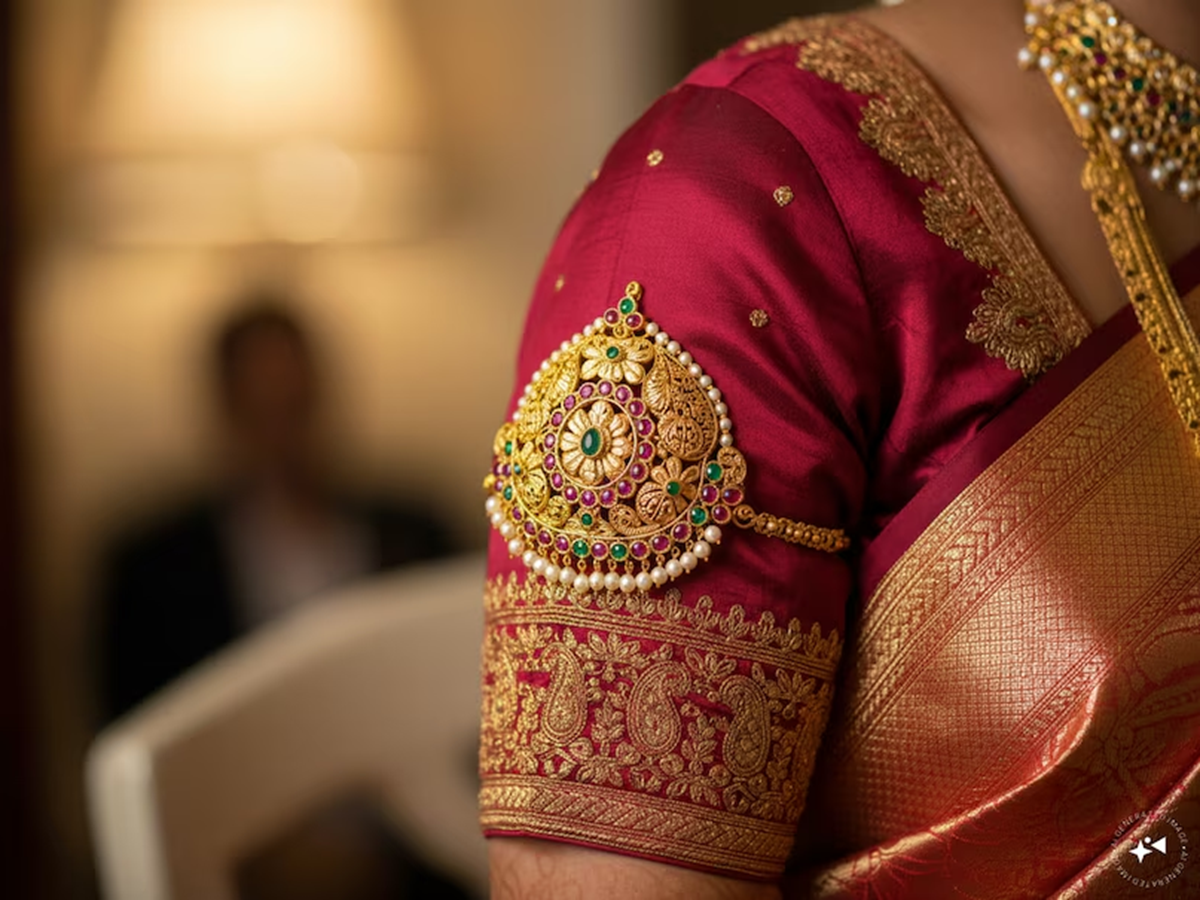
Bajuband (Armlet) – A *bajuband* is worn on the upper arm. It is primarily used as part of traditional or bridal attire.
Kamarband (Waist Belt) – Worn around the waist, a *kamarband* pairs well with a *saree* or *lehenga*, enhancing the traditional look. Historically, women wore *kamarbands* made of silver or gold, which added a striking appeal to their appearance.
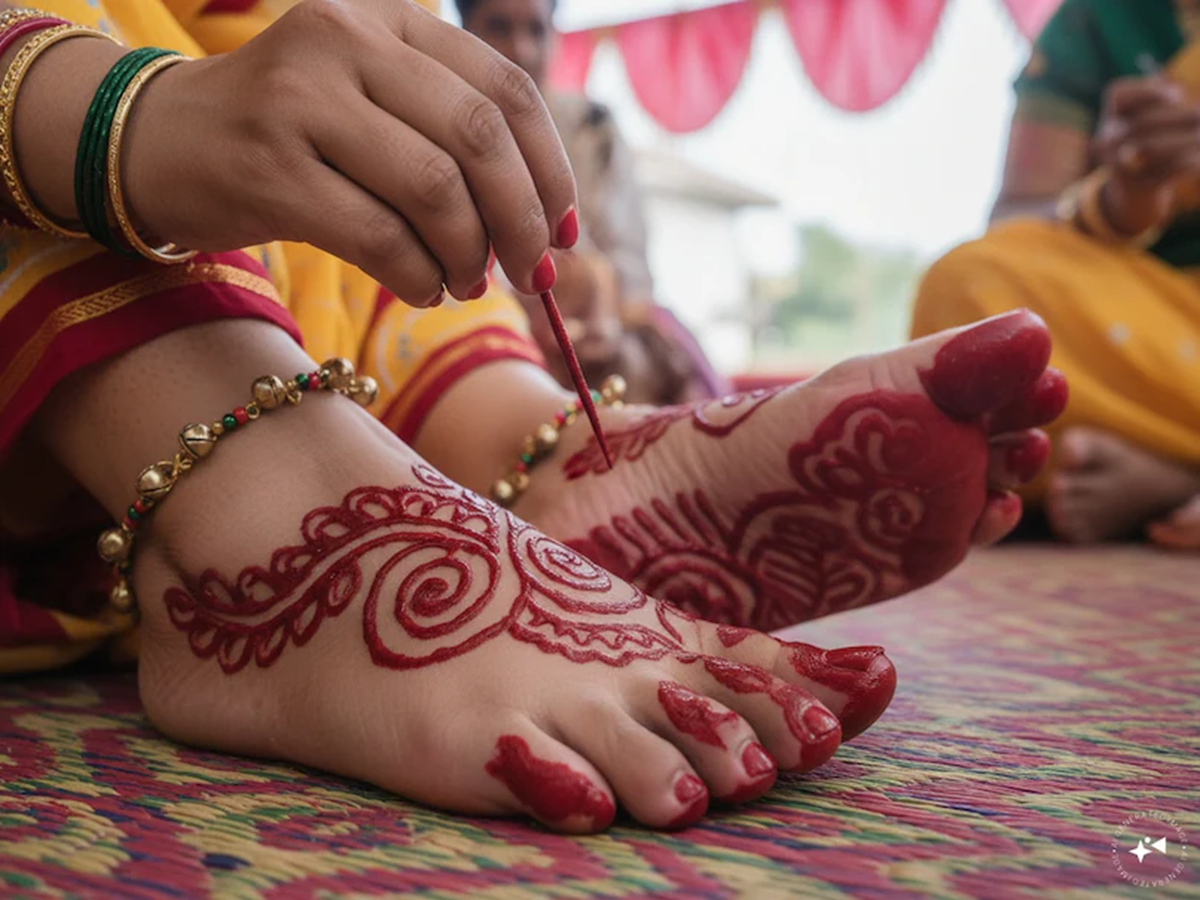
Payal (Anklets) – Anklets are worn on the feet. Silver anklets often feature small bells that produce a melodious sound when the wearer walks. Additionally, it is believed that wearing silver anklets helps regulate body temperature.
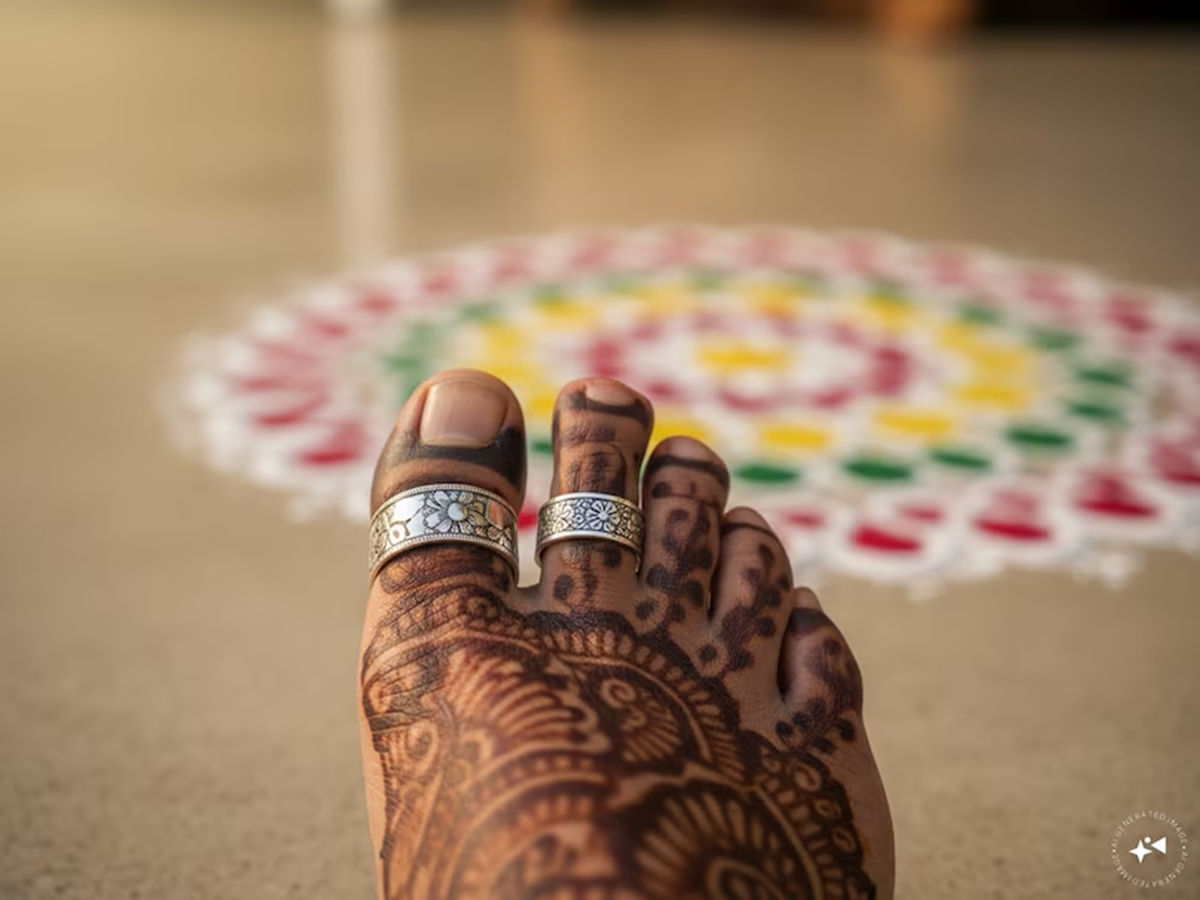
Bichhiya (Toe Rings) – *Bichhiya* are worn on the toes. In many Indian communities, they are considered a symbol of a woman's marital status. It is believed that wearing toe rings helps maintain hormonal balance, which in turn helps prevent issues related to menstruation and reproduction.
Gajra – A gajra is typically made from jasmine or other fresh flowers. It is worn in a hair bun or tucked into the hair, adding both a pleasant fragrance and a touch of traditional beauty to one’s appearance. It not only enhances the aesthetic appeal of the hair but also leaves it delicately scented.
Alta – Alta is a red-colored liquid substance that, in certain regions, is applied to the feet and hands. It is associated with auspiciousness and traditional adornment.
PC Social Media