
LIFESTYLE
Important: Keep these points in mind when choosing eyeglass frames and lenses; otherwise, your eyes could be harmed..
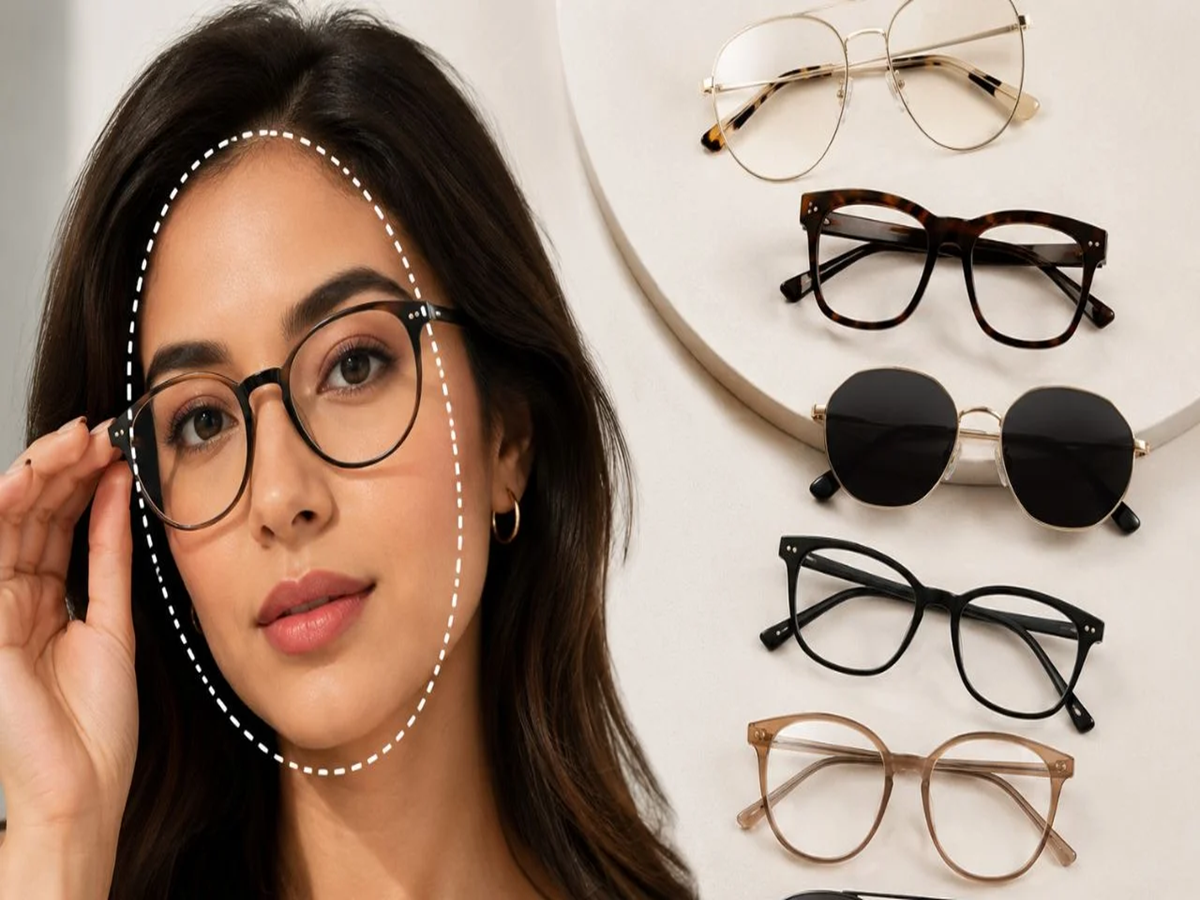
Important Tips for Choosing the Right Glasses: In today’s world, with the increasing use of mobile phones, laptops, and televisions, taking care of your eyes has become essential. Many people need to wear glasses due to weakened vision or other eye-related issues. Others may purchase them for protection against sunlight and dust. However, with a wide variety of frames, lenses, and designs available in the market, choosing the right pair can be a bit challenging.
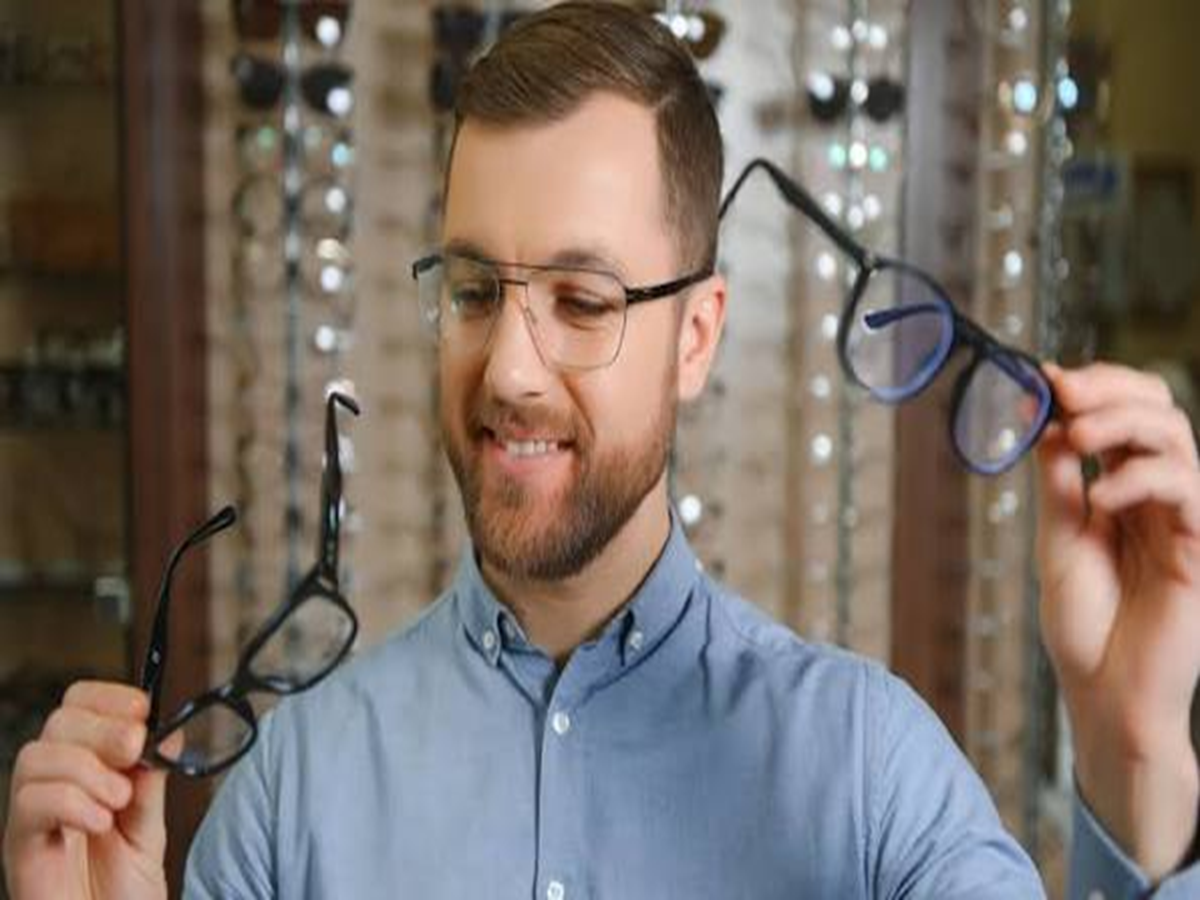
Often, people focus only on the look and price when buying glasses, whereas the quality of the lenses, the correct prescription (power), and the fit are equally important. Choosing the wrong pair can lead to issues like headaches, blurred vision, and eye discomfort. In this article, learn about the key factors to consider when buying glasses to ensure your eyes receive the proper comfort and protection.
7 Things to Keep in Mind When Buying Glasses
1. Get an Eye Exam First
Getting an eye exam is the most crucial step before purchasing glasses. Do not decide on a prescription (lens power) on your own without a professional examination. Have your eyes checked by an optometrist or an eye specialist and get your lenses made accordingly.
2. Pay Attention to Lens Quality
When buying glasses, consider the quality of the lenses, not just the frames. Various types of lenses are available in the market, such as:
Polycarbonate lenses: Lightweight and relatively durable.
High-index lenses: Help make lenses for higher prescriptions thinner and lighter.
Photochromic lenses: Darken when exposed to sunlight and become clear indoors.
Anti-reflective coating: Helps reduce glare and reflections on the lenses.
Choose lenses based on your specific needs and budget.
3. Choose Frames Based on Your Face Shape
The frame of your glasses should fit your face properly. Wearing frames that are too tight or too loose can cause discomfort.
Square or rectangular frames can look good on a round face.
For a square face, you might choose round or oval frames.
Many different types of frames suit an oval face.
For a heart-shaped face, you can opt for lightweight and balanced frames.
Always try on the frames before purchasing them.
4. Check the weight and fit of the glasses
Your glasses should be comfortable enough to wear for long periods. Heavy frames can put pressure on your nose and ears; therefore, choose frames made from lightweight, comfortable materials. Also, ensure that the glasses do not frequently slide down your nose and that they do not cause pain behind your ears.
5. Consider UV protection
If you are buying glasses to wear outdoors, check for UV400 or 100% UVA and UVB protection. This helps shield your eyes from the sun's harmful ultraviolet rays. Keep in mind that dark-colored lenses do not automatically provide UV protection.
6. Understand anti-glare and blue light filters
If you spend long hours working on a computer or laptop, an anti-reflective coating can be beneficial, as it reduces glare on the lenses.
As for glasses with blue light filters, it is important to note that there is limited concrete evidence to suggest they effectively prevent eye strain or damage caused by digital screens. Taking regular breaks while using screens is far more effective.

7. Consider quality and warranty, not just price
Do not base your decision solely on a low price. Inquire about the quality of the lenses and frames, the fit, repair options, and warranty details. Additionally, ask the retailer about the type of coating on the lenses and how to care for them. Always request a receipt so that you can file a complaint or request an exchange if necessary.
PC Social Media