
Parenting
If parents constantly interrupt each other in front of their child, understand that you are, in fact, ruining their future yourself..

It is a common occurrence in many households: Mom forbids a child from doing something, only for Dad to immediately interject, "Oh, it's no big deal—just let them do it!" Alternatively, Dad might be trying to explain something to the child when Mom cuts in, saying, "You don't have a clue what you're talking about."
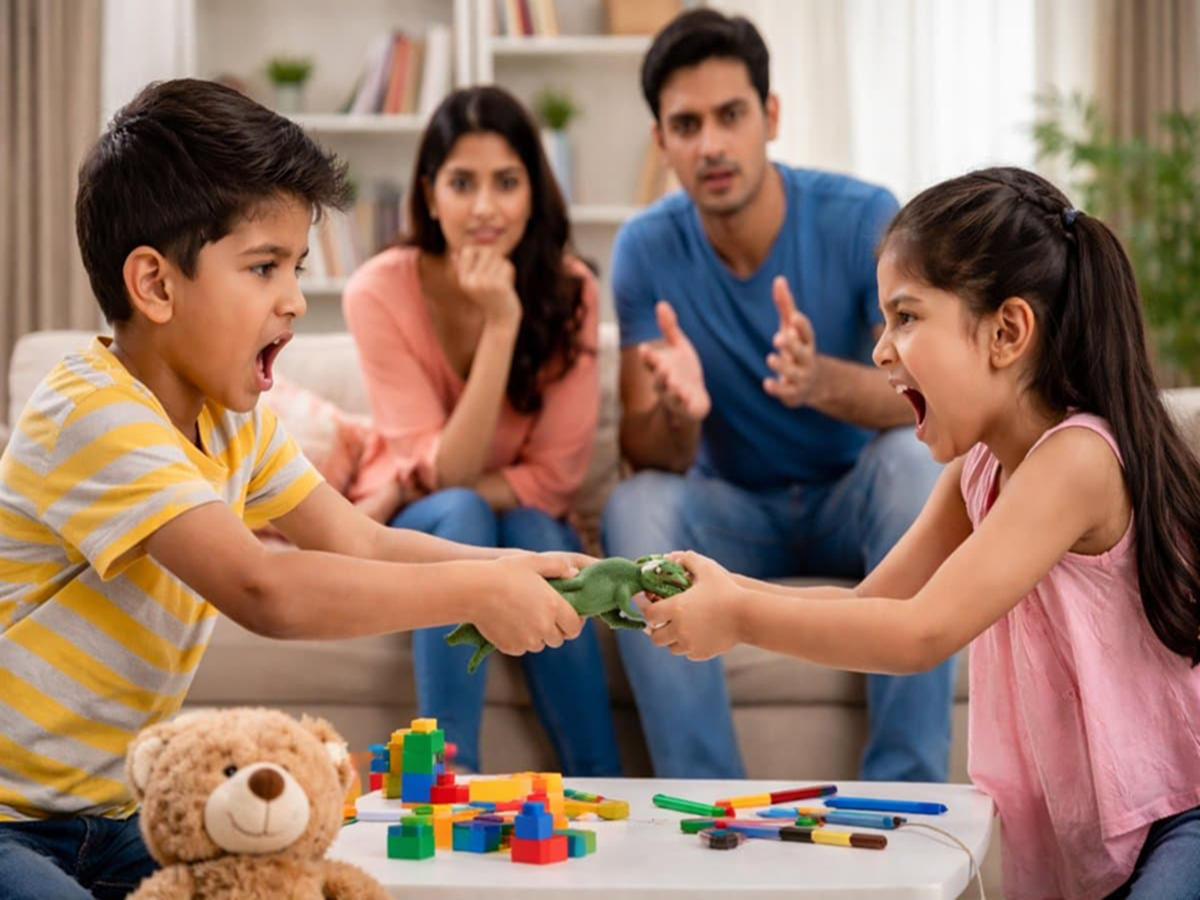
On the surface, this may seem like a very trivial matter. We might feel that we are merely expressing our own opinions; however, are you aware of just how deep and detrimental an impact this seemingly minor habit has on your child's impressionable mind? If you, too, are inadvertently engaging in this behavior, take heed. Let us explore how this parental habit can jeopardize a child's future.
**The Child Becomes Confused**
When parents fail to agree on a specific issue and constantly contradict one another, the child becomes bewildered. They simply cannot figure out whose instructions to follow—Mom's or Dad's? The distinction between right and wrong becomes blurred in their eyes.
**Respect for Parents Begins to Diminish**
When you prove your partner wrong or belittle them in front of your child, the child's respect for that partner begins to wane. The child starts to reason: "If Mom or Dad doesn't even listen to them, why should I?" Gradually, the child, too, begins to disregard your instructions and talk back to you.
**Children Learn to Take Advantage of the Situation**
Children are remarkably astute. Once they realize that their parents do not share a unified perspective, they seize the opportunity to exploit the situation to their full advantage. For instance, if Mom forbids them from watching television, they will immediately turn to Dad, knowing full well that he is likely to overrule Mom's decision. In this manner, children learn the art of "manipulation" to get their own way and, consequently, become stubborn.
**Learning Unhealthy Communication Patterns**
Children are, in essence, reflections of their parents. They tend to replicate the behaviors and interactions they witness within their home environment. If they observe that you constantly interrupt one another during conversations and fail to listen to what the other person has to say in its entirety, they will learn to do the same. In the future, they will begin to exhibit this same negative behavior toward their friends, school teachers, and others within society.
**The Home Environment and Mental Stress**
When parents disagree and argue over every little thing, an atmosphere of constant tension prevails within the home. The child begins to sense that things are not right between their parents. Consequently, this fear and stress cause the child's self-confidence to erode.
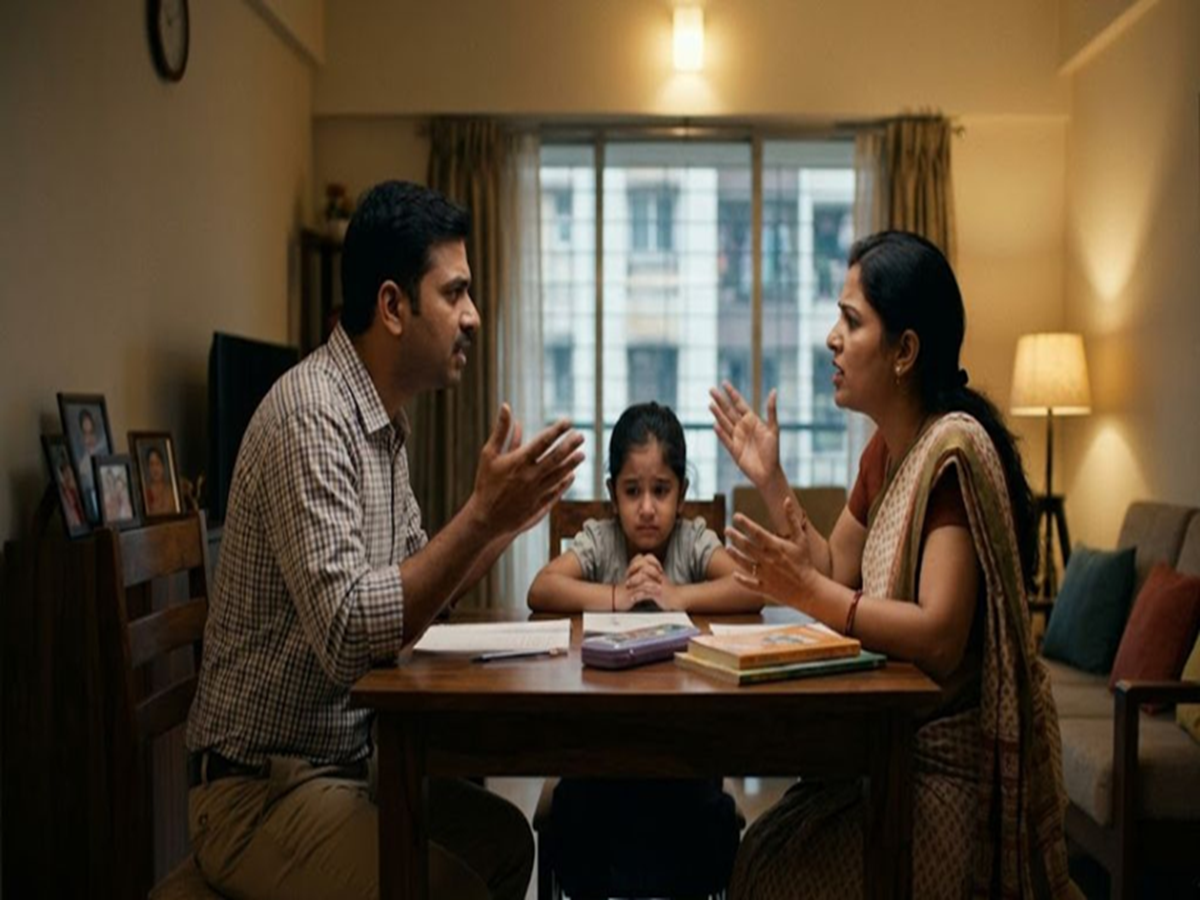
**So, What Should Parents Do?**
Parenting is a team effort. Even if you feel that something your partner said—or a punishment they administered to the child—was incorrect, do not contradict them in front of the child at that moment. Instead, support your partner's stance at that time. Later, once the child is no longer present, sit down together in private and discuss the matter calmly with your partner.
Always demonstrate to your child that the two of you are on the same team. Remember: your mutual understanding, respect, and love constitute the strongest foundation for your child's bright future.
PC Social Media