
LIFESTYLE
How many eggs does a woman's body contain? Why is it that, nowadays, a woman's egg reserve begins to decline as early as age 30?
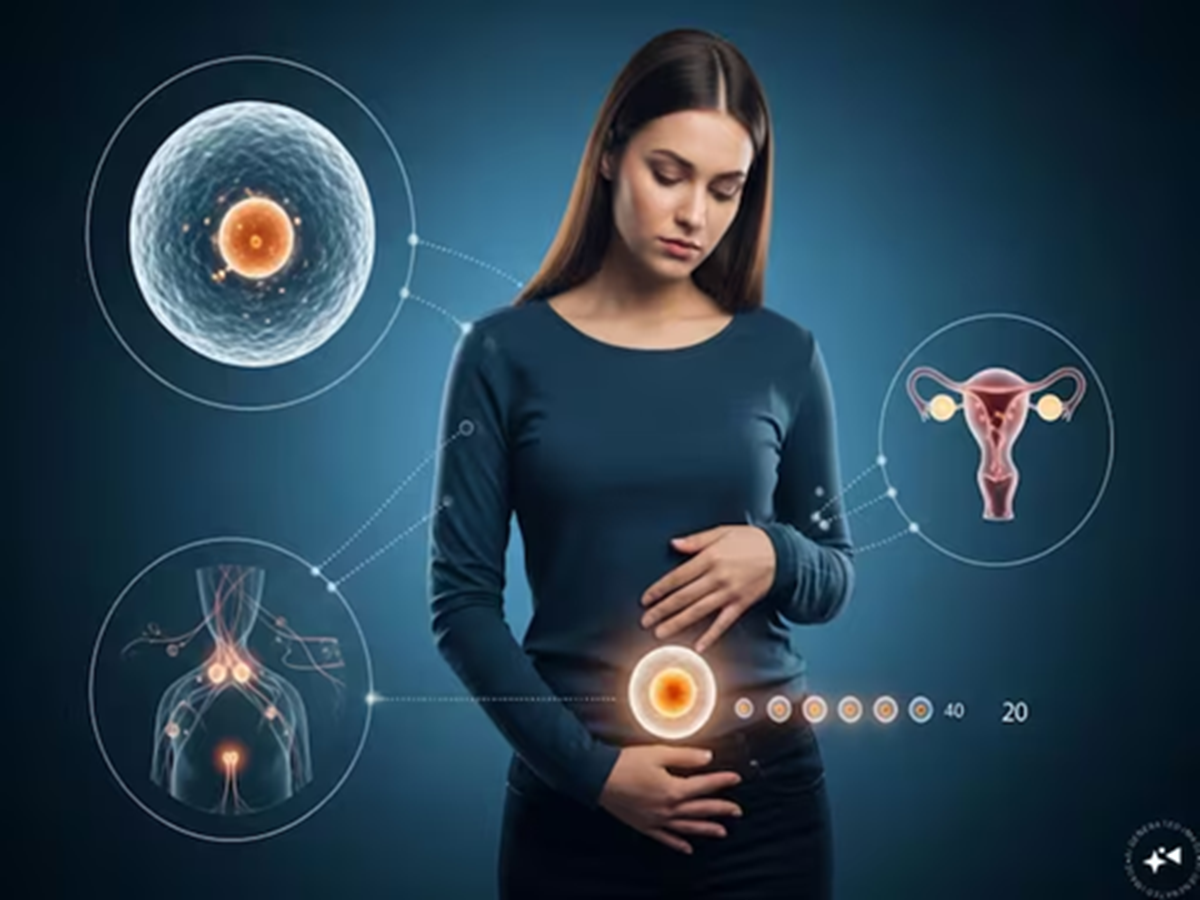
Why Fertility Declines: The female body is an exquisite masterpiece of nature's craftsmanship. It is so intricately designed that, to this day, it has not been fully understood. However, due to human interference with the natural order, women's biological cycles have begun to weaken. As recently as 15 to 20 years ago, women rarely faced difficulties conceiving, even up to the age of 40; yet today, as soon as they cross the age of 30, women encounter various reproductive health issues, and a majority of them are compelled to resort to IVF to have a child. What, exactly, is the reason behind this decline in the ovarian reserve—the supply of eggs—in women?
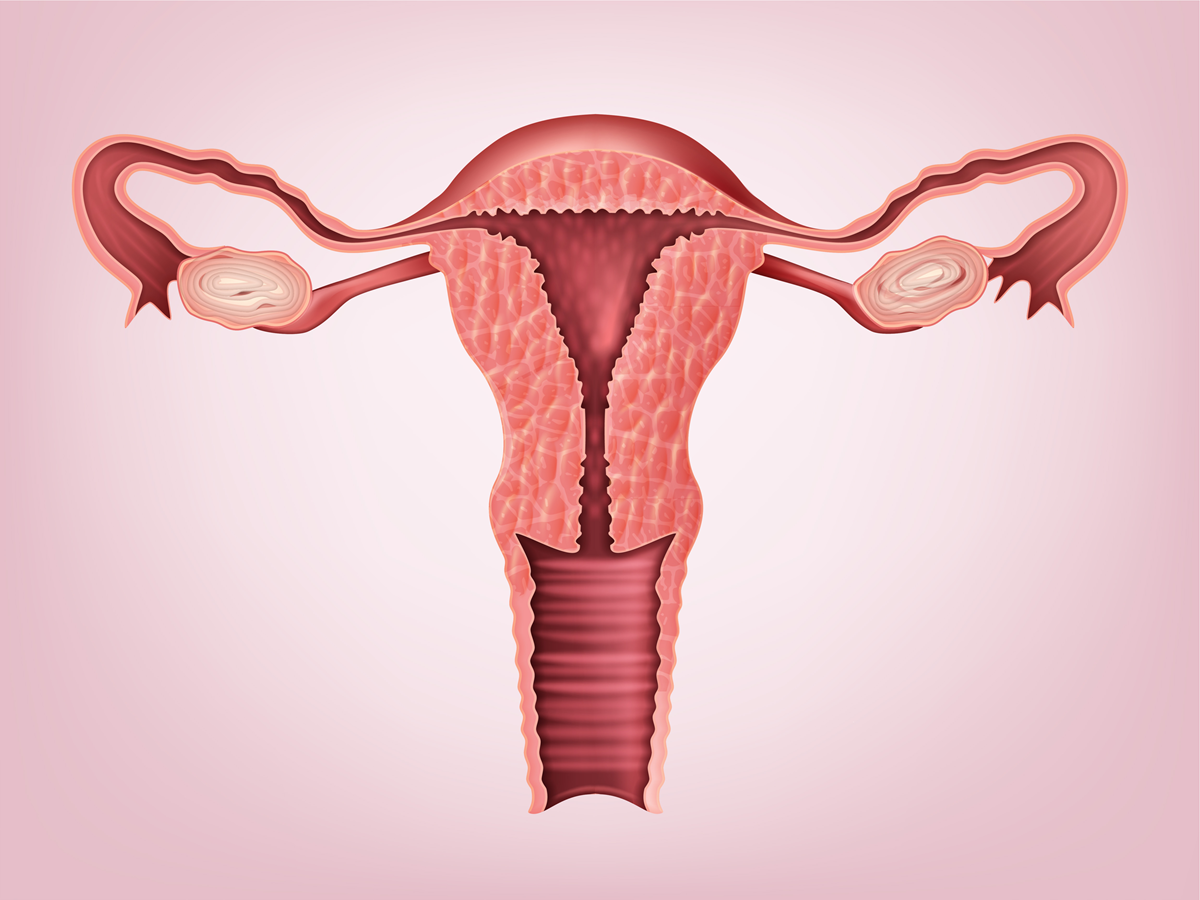
How Large is a Woman's Ovarian Reserve?
Let us first understand the size of the egg reserve within a woman's body. To begin with, you may be surprised to learn that not a single new egg is generated in a woman's body after birth. All the eggs she will ever possess are formed *before* birth, while she is still inside her mother's womb. According to a report by Healthline, when a female fetus is developing in her mother's uterus, precursor cells—known as oogonia—are formed. It is within these oogonia that eggs develop, and this process of egg formation begins when the female fetus is merely one or two months old. While still in the womb, a female fetus generates a reserve of approximately 6 million (60 lakh) eggs. Subsequently, this number begins to decline rapidly. By the time of birth, the female body retains an egg reserve ranging from 1 to 2 million (10 to 20 lakh). This reserve continues to diminish with each passing day.
Upon reaching puberty—marked by the onset of the first menstrual period—the total number of eggs drops to between 300,000 and 400,000 (3 to 4 lakh). At this stage, the ovarian reserve becomes strictly finite. Each month, before menstruation, typically only one egg matures and becomes ready for conception; if this egg successfully unites with a sperm, an embryo is formed. If fertilization does not occur, the egg disintegrates after approximately 28 days and is subsequently expelled from the body during menstruation. At the onset of a menstrual cycle, approximately 1,000 eggs from the ovarian reserve fail to mature each month and subsequently perish. Thus, over the course of a woman's lifetime, she experiences 450 to 500 menstrual cycles, yet only one egg matures each month. However, in recent times, this very reserve has begun to dwindle. What, ultimately, is the cause of this phenomenon?
**Why is the Ovarian Reserve Declining?**
Nutritionist Avanti Deshpande explains on social media that numerous studies have indicated that, until just a few years ago, women faced no difficulty conceiving up to the age of 40; however, nowadays, women are beginning to experience fertility-related issues as early as age 30. Their ovarian reserve—that is, their supply of eggs—has started to diminish. While there are indeed multiple reasons for this, lifestyle factors, as well as environmental influences, are primarily responsible. She noted that fertility is no longer solely dependent on age, but also on the health of the body's cells and one's lifestyle. Today in India, approximately 10–15% of couples are grappling with infertility, and in urban areas, women under the age of 35 are increasingly seeking medical treatment for these issues.
**The Responsible Factors**
Nowadays, women are falling victim to insulin resistance at a relatively young age. This condition often leads to prediabetes. Concurrently, the prevalence of Polycystic Ovarian Syndrome (PCOS)—an ovarian disorder—is on the rise, thereby compromising both ovulation and egg quality.
Staying awake late into the night and excessive screen time disrupts the production of the hormone melatonin. A decline in melatonin levels compromises the overall health of the eggs.
Plastics, environmental pollution, and chemicals that interfere with hormonal activity disrupt the body's natural hormonal equilibrium.
Processed foods—such as pizza, burgers, packaged snacks, fast food, momos, and noodles—contribute to increased inflammation within the body. However, an even greater concern is stress. Stress exacerbates systemic inflammation throughout the body, which, in turn, negatively impacts ovarian function. Many women prioritize their careers and delay conception, yet they often fail to undergo timely health check-ups (such as metabolic or thyroid screenings).
So, what steps should be taken to ensure there are no difficulties in conceiving?
Every adult woman should undergo certain tests on a regular basis. Key among these are tests for fasting insulin, HbA1c, Vitamin D, thyroid function, AMH (Anti-Müllerian Hormone), ovarian reserve, and lipid profile. If any abnormalities are detected, seek immediate medical treatment from a doctor.

Minimize the use of plastic, as it can negatively impact fertility. Instead, opt for safer alternatives such as steel.
To facilitate successful conception, it is essential to strengthen your muscles. Regular exercise is necessary to build muscle strength, and a nutritious diet is equally important. Consistent physical activity improves overall health.
Pay close attention to your gut health, as this helps reduce inflammation. Furthermore, it helps maintain hormonal balance and improves fertility. To achieve this, incorporate a daily intake of green leafy vegetables, lentils, whole grains, fruits, seeds, and similar foods into your diet.
PC Social Media