
LIFESTYLE
Health Tips: From dry skin to delayed wound healing—vitamin deficiency manifests in these ways on the skin..
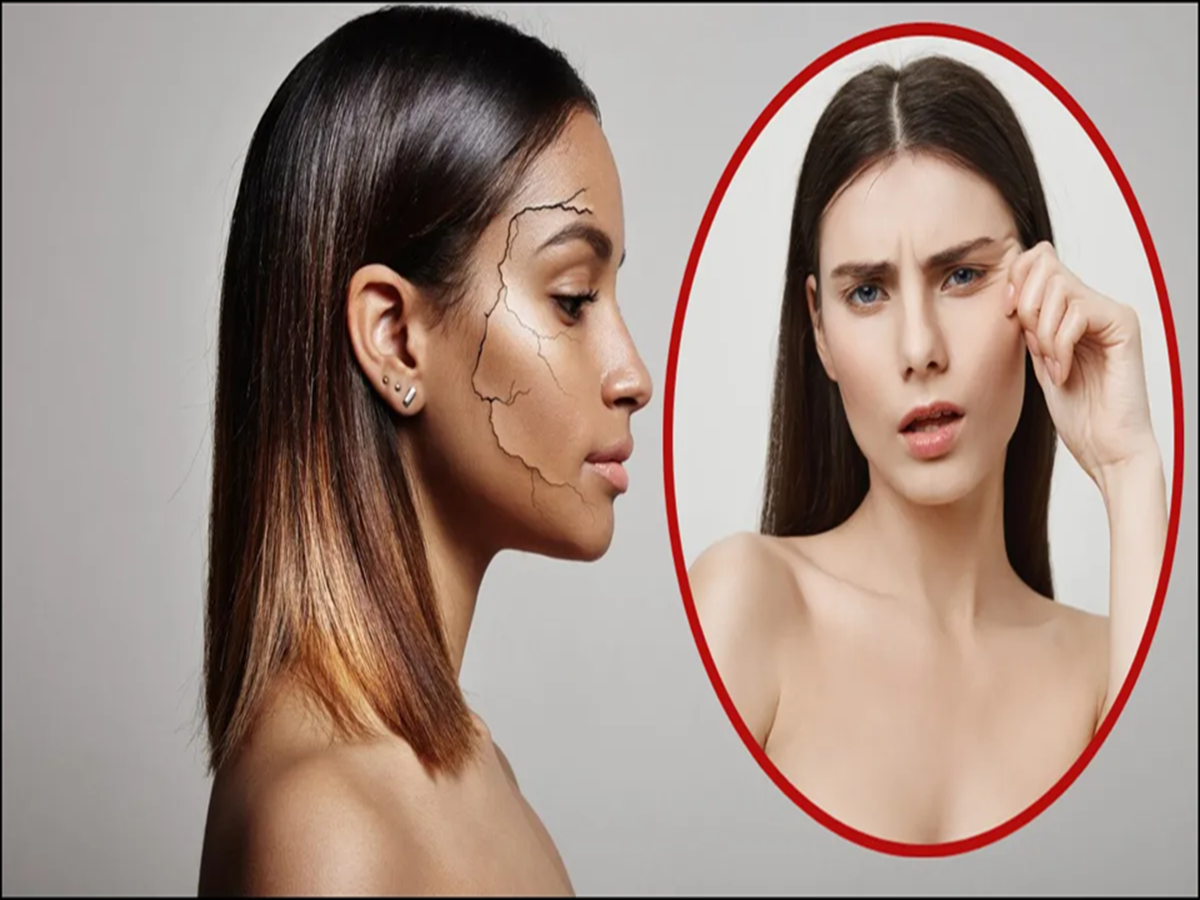
Skin Care: Vitamins and minerals are essential for maintaining a healthy body. A deficiency in these nutrients can impact not only your general health but also your skin. Issues such as excessive skin dryness, a loss of radiance, frequent acne breakouts, or slow wound healing can sometimes signal a nutrient deficiency.
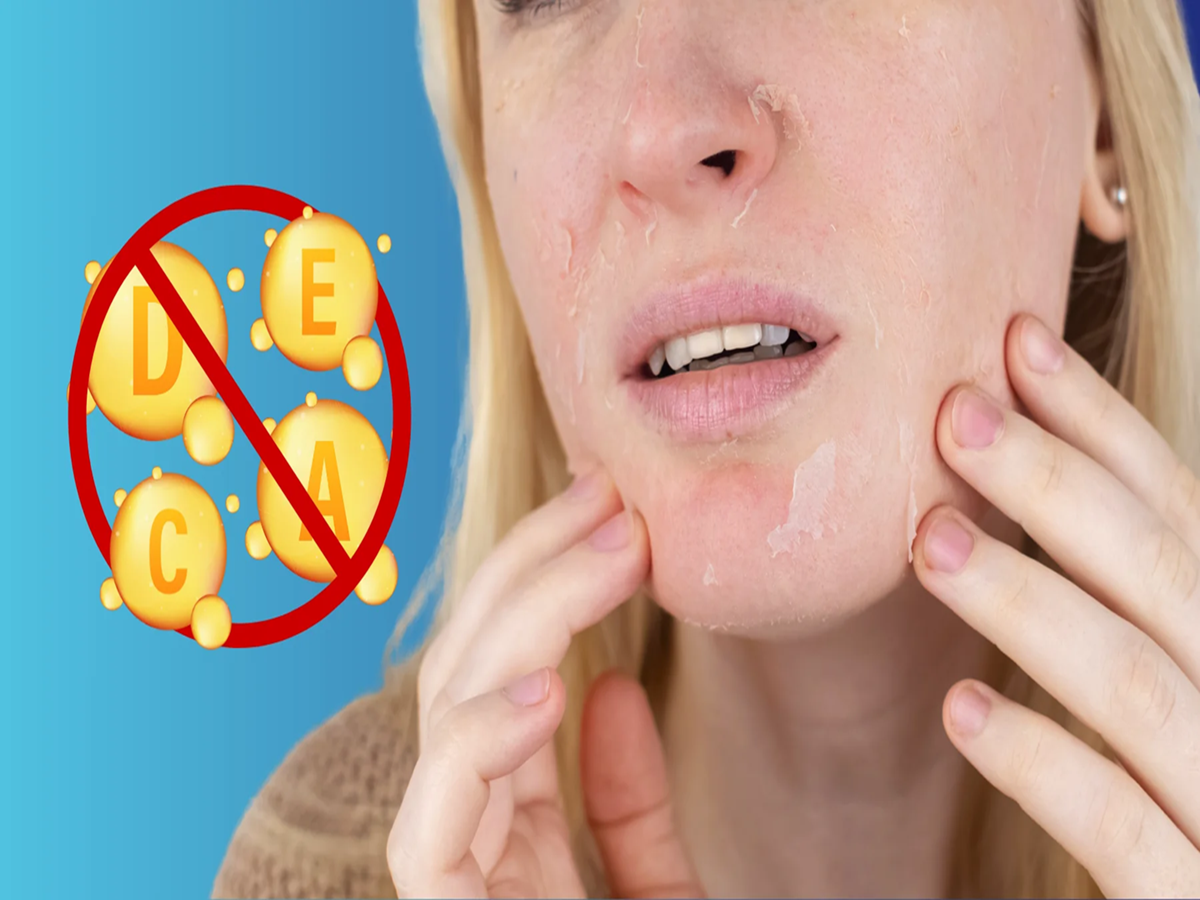
Vitamins A, C, D, E, and the B-complex group play distinct roles in skin health. However, a vitamin deficiency cannot be confirmed solely based on visible skin symptoms; professional medical advice and, if necessary, diagnostic tests are required.
Therefore, it is important to understand what kind of skin changes may occur due to various vitamin deficiencies and when to be concerned about them.
1. Vitamin A Deficiency
Vitamin A helps maintain the health of normal skin cells and the skin's outer layer. A deficiency can make the skin feel dry and rough. However, such symptoms can also arise from various other causes.
2. Vitamin C Deficiency
Vitamin C plays a crucial role in collagen production and acts as an antioxidant within the body. Severe deficiency can lead to symptoms such as delayed wound healing, easy bruising, and bleeding gums.
3. Vitamin D Deficiency
Vitamin D is essential for many vital bodily functions. It is not possible to identify a deficiency simply by looking at the skin. If a deficiency is suspected, a doctor may recommend diagnostic testing.
4. Vitamin E Deficiency
Vitamin E is an antioxidant that helps protect cells from oxidative damage. Deficiency is generally rare and typically occurs only under specific circumstances.
5. Vitamin B-Complex Deficiency
A deficiency in certain B vitamins can cause changes affecting the skin and lips. For instance, a deficiency in Vitamin B2 can lead to cracks at the corners of the mouth and skin issues, whereas a severe Vitamin B3 deficiency may manifest as distinct skin changes.

What should you do?
If you notice persistent changes in your skin, do not start taking vitamin supplements on your own. Maintain a balanced diet that includes fruits, vegetables, whole grains, pulses, nuts, and other nutritious foods as needed. If the problem persists, consult a doctor or a dermatologist.
PC Social Media